Never underestimate the value of the hedge
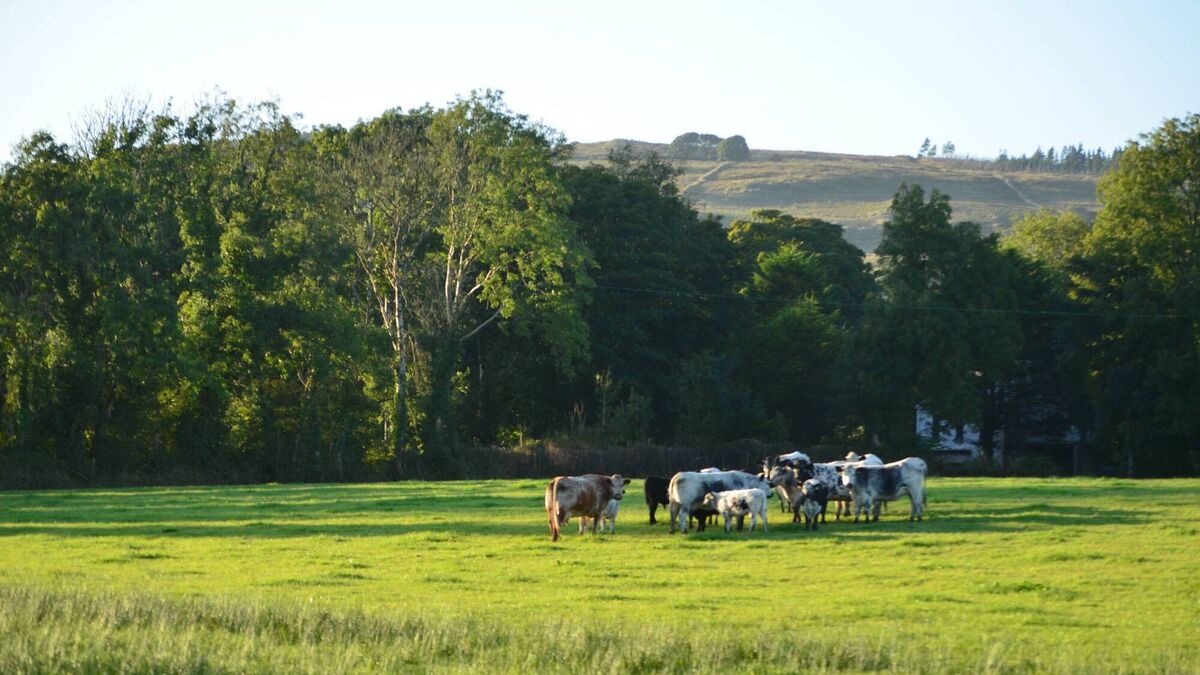
A well-appointed corner of a field, sheltered by a whitethorn hedge, was as good as any shed for cattle in years gone by. Picture: Pat McCarrick
At this time of year, there is a last-minute rush to crop roadside hedges. They are battered and beaten into shape by all manner of machine, and while this may be helpful from a traffic safety point of view, in every other respect, it is a brutal assault on a valuable resource.
There was a time when I thought the Ox Mountain countryside would be a neater place without hedges and ditches. The idea of larger fields and a more streamlined landscape must have appealed to me as some form of progress. With the benefit of passing years and a more informed view, I know now that these were misguided notions.
In Ireland, the legal hedge-cutting season runs from September 1 to the end of February. Landowners must keep roadside hedges maintained to ensure safety. Non-compliance with these regulations can lead to fines and prosecution. On the other hand, it is an offence under the Wildlife Act 1976 to cut, burn, or destroy hedges between March 1 and August 31, for the protection of nesting birds.
None of this addresses the wider value of hedges. by Christopher Hart, is a real education on the value of a hedge. In his book, he explains the life, ecology and history of a unique habitat.
Once upon a time, before the days of the slatted house, farmers in the Ox Mountains wintered their cattle outdoors. A central part of this process was a good hedge. A well-appointed corner of a field, sheltered by a whitethorn hedge, was as good as any shed. Maybe ambitions were different in the past, with hardier cattle breeds and a simpler way of life, but in another way, it was more in keeping with the ways of nature and the biodiversity that the experts are recommending today.
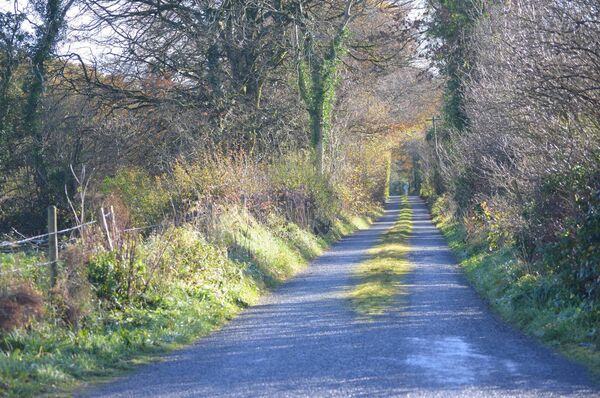
Most Irish hedgerows were planted during the 1700s and 1800s. Acts of Parliament were passed, making it necessary for landowners to erect proper permanent boundaries between their properties. Teagasc explains how they were created:
Hart suggests that the traditional farmland hedge is the greatest habitat on earth. It is a green food bank, a windbreak, a stock fence, a flood defence, a storage unit for excess carbon dioxide and ‘an incomparable haven for wildlife’. Hedges may support up to 80 per cent of our woodland birds, 50 per cent of our mammals and 30 per cent of our butterflies.
A hedge provides singing outposts for birds, a crucial navigational aid for bats, and a cross-country route for any number of small mammals safely hidden from predators. In a hedge, shrubs and trees bathe in sunshine and produce far more fruit than in a woodland. The most valuable kind of hedge includes shrubs, trees and bushes.
Due to their effectiveness in containing livestock, the thorniest of our native shrubs and trees were used and by chance, these species, such as Whitethorn and Blackthorn, are also among the most valuable for wildlife. Teagasc go on to explain some of the practical benefits of a hedge from an agricultural point of view.
'Think global, act local’ is a worthwhile eco-phrase that dates back many years, but is now more appropriate than ever. Hart shows loyalty to the phrase while working on his very own hedge project.
We don’t have to let the briars go mad for us to be doing of bit. There are countless other ways to propagate hedges and to enjoy the fruits of our labours. We just need to be able to cope with a little wildness.
Relaying a hedge is an old but valuable way of maintaining the cycle of a hedge that you might feel has gone out of control - and it doesn’t involve the use of mechanically powered flails. The technique involves the removal of strong timber and the horizontal laying of partially cut lighter trees, thus lowering and strengthening the hedge. Hart continues to share his experience.
Apart altogether from the benefits of a hedge for animals and birds, it also has benefits for us humans. , by Cyril and Kit O Ceirin, is a book about wild foods including recipes and folklore. It is both informative and entertaining and is the perfect companion to go with a renewed awareness of hedges and their value. The book contains countless recipes for jams, soups, desserts, syrups, and wines. There is also a month-by-month guide on what you might find and use in a hedge.
Going back to Hart, he reminds us that the hedge is an outdoor salad bar that continually replenishes itself, while giving us wild garlic, young nettles, sorrel, and dandelions. Later in the year, it transforms into a fruit stall carrying rosehips, blackberries, and sloes.
As well as farms, how many schools and other public spaces could create and maintain a wild hedge? Come spring each year, such a hedge could provide a nature lesson for schoolchildren, from which they might learn about various trees or the subtle difference between the song of a Thrush and the song of a Blackbird.