‘Pine Trees’ – A home in the mountains
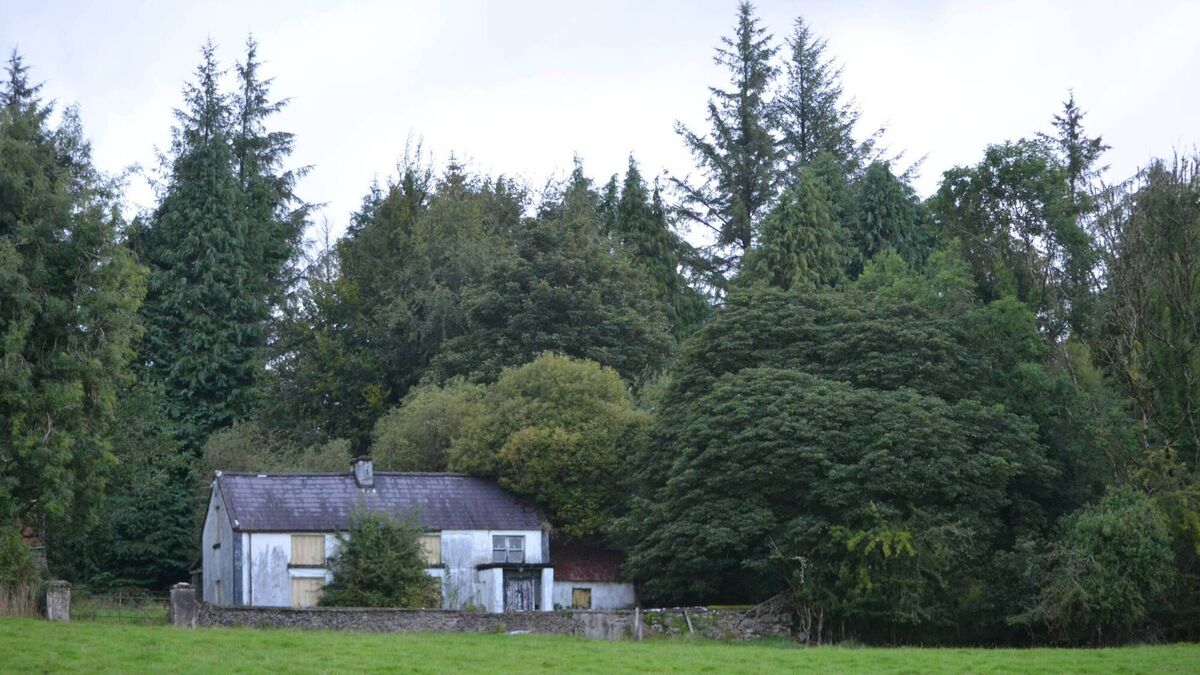
The house once known as Pine Trees which was home to Paddy and Elizabeth Brennan.
I am delighted with the Government’s initiative to provide grant aid for the restoration of derelict houses. What a creative way to bring old homesteads back to life and provide much needed housing? My first house was an old cottage that we restored back in the 1980s – without any grant aid, I might add. It was more a labour of love and the project, when completed, served our family needs for almost 20 years.
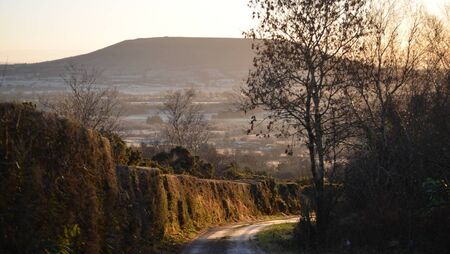
In creating my own home, I am sure I was influenced by seeing an old house similarly restored when I was a child, back in the late 1960s. The house was a two-storey cottage that nestled just under the Ox Mountains, quite close to the early stages of the River Moy and facing the magical hill of Knocknashee. Local people had seen the house as a family home and Rambling House for years, but few were fully aware of its unique setting or aesthetic value.
When the house went up for sale, after the last family member had left, there was little local interest in a property that was seen as old-fashioned and located well off the beaten track. It did, however, draw the attention of people from outside the locality, at a time when retiring couples and adventurous Europeans were seeking out alternative places to live. The people who eventually bought the house were an older couple, and while we didn’t know it at the start, this couple arrived with a vision for the old place and the abilities to transform it into something quite special.
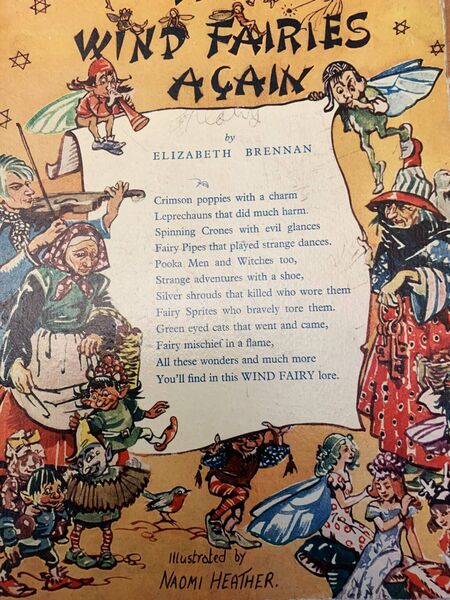
The couple who bought the house arrived with a unique set of talents, Paddy Brennan was an artist and his wife Elizabeth was a novelist. Paddy wasn’t just an artist, however. He was also a very tasty tradesman. And Elizabeth wasn’t just a novelist; she had the ability and the interest to step out into the local community, leading and inspiring as she went.
People should have known something special was about to happen to the old place when Paddy and Elizabeth named it ‘Pine Trees’. The name was inspired by the old plantation that sheltered their back garden, and while every other house in the locality had a similar plantation at their back door, no one had ever viewed them as the inspiration for giving their home a name.
The second surprising introduction around the old house was the arrival of a lawnmower. This might seem like no big deal in today’s world of satellite-directed robotic grass-cutters, but I am pretty sure that Paddy Brennan’s lawnmower was the first one ever seen in Cloonacool. Instead of removing the grassy sods from the overgrown front street, Paddy mowed it. Not only did he mow the street, he mowed the centre and the verges of the boreen that led to the street. He then mowed the former cow’s path that led away from the street, to the field just over the nearby mountain stream. He reshaped the overgrown rose bushes that obstructed the entrance and he painted white, the old blacksmith’s gate that hung there. In the space of a few weeks, the place was steadily transformed.
The interior of the old cottage was similarly remodelled. While I had never visited the house in former times, I now had the opportunity to visit quite often because Elizabeth and my mother had become firm friends. I remember the house’s interior as a place of antiquity and luxury. Paddy’s paintings were hung here and there throughout and many of Elizabeth’s publications populated the book shelves, but the one item that stood supreme, among everything else, was an elegant radiogram. What, I hear a reader enquire, is a radiogram? Well, it was the antique version of a three-in-one sound system – except a radiogram was just a two-in-one; a large piece of furniture that housed both a radio receiver and a record gramophone. The word radiogram blends radio and gramophone. Given the raucous sound that emanated from the simple gramophone we had at home, this radiogram sounded as mellow and as strong as a well-tuned orchestra.
Returning to the outdoors, Paddy restored the old cowhouse into a second living space, which he rented out to friends, and then he set to making a studio out of the old hen house that stood at the back of his garden. From one edifice to the next, he mowed paths, leaving wild the garden grasses and wild flowers that grew all around. Paddy was rewilding before rewilding was ever heard of.
Paddy and Elizabeth hosted house parties for their neighbours, bringing a little of their lives as artists to the lives of the locals who had never known such neighbours before. Their hospitality was given generously and accepted gratefully.
Paddy blended well with the local men. He knew his way around farm talk and seemed to have a knowledge that surprised some who thought they might get one over on him. While an artist in retirement, Paddy had spent most of his life as a farm manager. Hailing originally from Carlow, it is quite likely that Paddy had once managed a farm that was probably as large as the townland in which he now lived. Elizabeth was the first lady I even knew who had a blue rinse. We didn’t quite know her background as a novelist back then but she did have one, as I found out in researching this article.
By way of providing herself with a social outlet, Elizabeth was drawn to the local ICA guild. Here she quickly became a leader and a motivator, encouraging the ladies of the locality to take part in inter-guild competitions, particularly in the area of armature dramatics. In this, she found a readymade accomplice in my mother, who took to both the opportunity and the challenge of performing much like a duck might take to water.
The pattern was that Paddy and Elizabeth would call at our front gate for my mother, in their little grey Morris Minor, and together the new-found friends would sail off to the parish hall for rehearsals. It was no great surprise that that particular ICA group developed quite a reputation for themselves competing in the ICA’s national competition for the Eleanora Gibbon Cup for drama. Indeed, it was a common experience, for me as a child, to wake up of a morning to behold yet another trophy that my mother had won, sitting proudly on our kitchen table.
Paddy and Elizabeth eventually sold ‘Pine Trees’ and moved to another Ox Mountain cottage that was in need of their talents. They subsequently moved again, and again and eventually, all contact was lost. They are both in the high heavens now, and alas ‘Pine Trees’ has been derelict for many years. No doubt, this remarkable couple, that so coloured my childhood, are busily restoring and adding their artistic touches to some corner of heaven, a corner whose true potential only they could see.