Social media platforms urged to tackle dangerous driving content being shared in Mayo
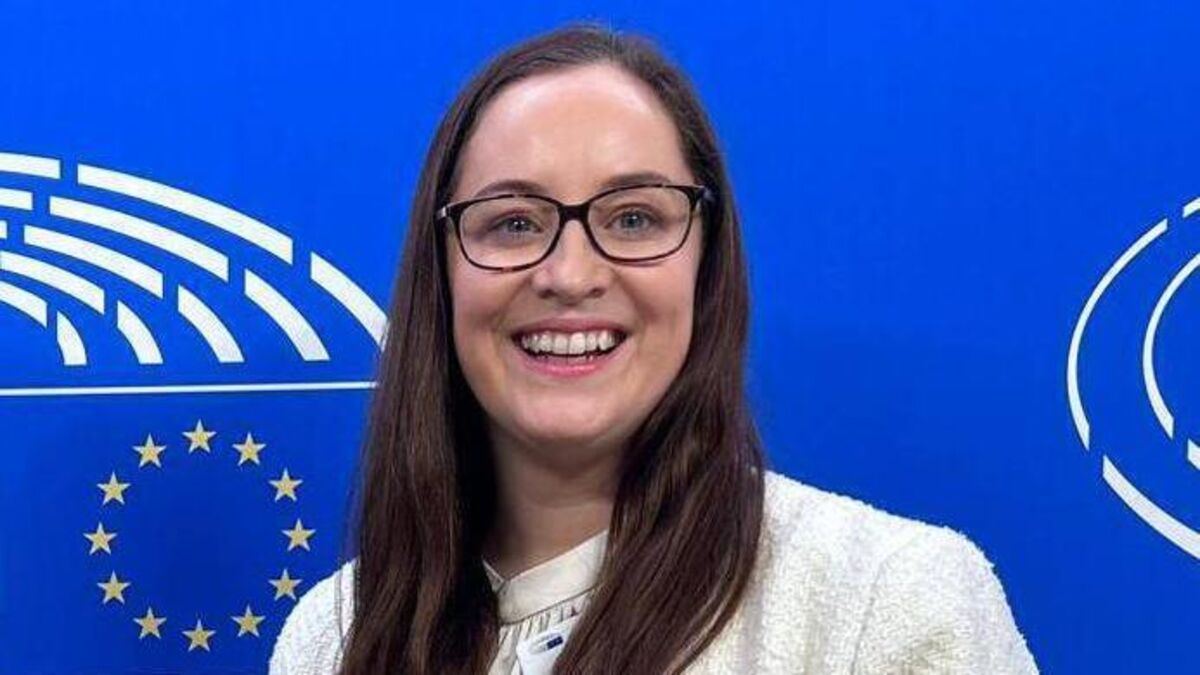
Chair of the Children and Equality Committee Deputy Keira Keogh has called for a multi-agency approach to tackle the posting and sharing of illegal and dangerous driving videos on social media.
Chair of the Children and Equality Committee and Mayo TD Deputy Keira Keogh has called on social media companies to step up and tackle dangerous driving content that is being posted online for likes and shares.
Her call comes after the tragic incident on the M9 in Kildare in which five male teenagers, aged between 15 and 18, were killed after the BMW they were travelling in sped the wrong way down the motorway and crashed into a Hyundai carrying three women in their 20s and 30s and a seven-year-old boy.
In the aftermath of the crash, concerns have grown over young people sharing videos of dangerous driving on their social media profiles for views and likes.
Garda Commissioner Justin Kelly warned that some dangerous driving is being carried out for likes on social media, making the “reckless behaviour even more appalling”.
The subsequently reviewed the social media accounts of the teenagers involved in the M9 crash and found that at least three had previously bragged online and shared footage of themselves driving against traffic to evade gardaí.
Coimisiún na Meán has requested a report from TikTok on how it handles the sharing of illegal content on its platform and whether it reports relevant information to gardaí.
Under the Online Safety Code and the Digital Services Act, social media companies have a legal responsibility to remove illegal content from their platforms, including content that glorifies dangerous driving.
“One of the main motivations here is to put this content up on social media for likes and shares, social media companies have a role and the power to reduce that problem,” Deputy Keogh told the .
The Fine Gael TD has been vocal in calling for social media companies to take greater responsibility for online safety and the regulation of content aimed at children and young people.
Recently, she has also been working to tackle dangerous driving and the sharing of illegal content among car enthusiasts in Mayo.
Deputy Keogh has previously raised concerns with local Gardaí and at committee level about dangerous driving at the Derrinumera site, where up to 100 cars can gather at weekends.
She has sought to address the issue by bringing car enthusiasts and residents affected by the meet-ups to the table, outlining her plans in a video posted to Instagram.
The video attracted some backlash, but it also led Deputy Keogh to find evidence of dangerous and illegal driving activities.
“There were young men in the comments of my video sort of teasing me. I knew by their comments they were people who take part in this activity,” she said.
She clicked on one of the profiles of someone who commented to find it was public. There, she found evidence of illegal content within seconds.
“There were pictures and videos of him doughnutting at various locations around Mayo and Galway, using his phone while driving and changing his number plates to fake plates."
“When I met with gardaí here in Mayo, they explained that the cybercrime unit is overwhelmed dealing with child sexual abuse material and don’t have the resources to be scrolling through social media to find illegal content,” she explained.
Deputy Keogh said a more targeted approach is needed, with enforcement focused on serious criminal activity, while social media companies take greater responsibility for illegal content posted publicly.
“There is also a high threshold required for Gardai and the cybercrime unit to monitor chats. What happened on the M9 would warrant monitoring if you have criminal gangs organising to race cars, steal cars, and go down a motorway [the wrong way]."
"In Mayo, meeting up to rev your engine and do doughnuts isn’t at the same level of criminality. I wouldn’t expect our young adults to have their conversations intruded on. But when evidence is posted that glorifies dangerous driving, I would expect social media companies to step up,” she said.
Deputy Keogh said a multi-agency approach is needed, with social media companies actively removing illegal content, Coimisiún na Meán holding platforms to account, and An Garda Síochána and the cybercrime unit given additional resources.
She recently commissioned the Oireachtas Library & Research Service to research how other jurisdictions tackle informal car meet-ups and illegal driving.
“The most effective was when cars were confiscated on the spot. That is something we need to look into. What legislative changes need to be [bought in] to confiscate on the spot,” she explained.
However, Deputy Keogh said enforcement at Derrinumera is complicated by drivers using spotter cars to alert others when Gardaí arrive.
“When the guards are coming, they will warn the rest of the meet-up. It’s not illegal to be lined up admiring each other's cars,” she explained. “You need to catch the dangerous driving on camera.”
She said noise-sensing cameras, which capture sound and images as evidence for prosecution, are used in England and Wales and could be introduced in Ireland.
Deputy Keogh also wants the public to be able to upload dashcam footage when reporting dangerous driving online.
“Residents in Derrinumera who are driving to and from home say they feel intimidated. One lady called me last week and said she had to wait for a car to finish its doughnuts before she could drive past.”
“A lot of cars now have dashcams, so for members of the public to be able to upload that footage could really bring us along,” she said.
Alongside enforcement and greater regulation of social media, Deputy Keogh said education must also play a role, with AI and social media algorithms potentially helping.
“If the algorithms can push certain advertisements and content, then social media companies can put in an educational video there as well,” she said.
She highlighted that dangerous driving content can easily be found by searching for the right hashtags.
“If the teenagers can find the videos, the algorithms and AI tools of the social media companies can easily find them, and they can also peddle informative videos to these young people about the dangers of this.”
Deputy Keogh expressed her sympathies to the families who have lost loved ones in the M9 crash and sent her best wishes to those recovering in hospital.
“This is a story that the whole nation is fascinated with, but there are five families who are going to have to bury their loved ones in the next few days.
“These are young people who have made decisions. Their lives are gone now, and the lives of those left behind will be impacted.”