Report highlights concerns over MUH mental health unit
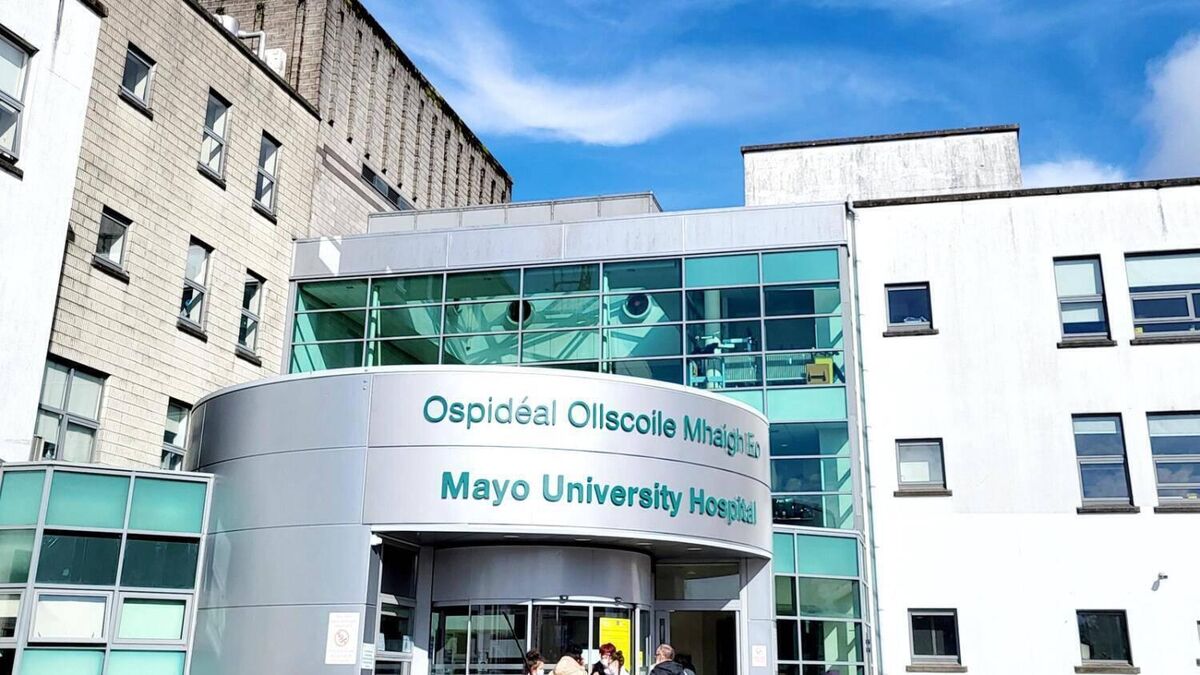
Mayo University Hospital (MUH) breached protocol over the use of electroconvulsive therapy (ECT), a report has found.
A Mental Health Commission inspection of MUH's mental health unit in June 2025 found it to be non-compliant in eight different areas. The unit was found to be 78% compliant with rules, regulations and codes of practice. Seven of the eight issues of non-compliance were previously identified in a 2024 previous inspection.
Of these reoccurring areas, a risk rating of high remained unchanged in four regulatory areas: Individual Care Plans, Privacy, Premises, and the Rules Governing Seclusion and an unchanged moderate risk rating in the Maintenance of Records.
Just five years ago, this centre was over 90% compliant with set regulations. While the unit was found to be compliant with many rules regarding ECT, there was no documented evidence that an anaesthetic risk had been assessed and recorded.
The pre-electroconvulsive therapy anaesthetic assessment was not completed and filed in the patient’s clinical file or in the approved centre’s electroconvulsive therapy record booklet.
The assessment is required to ensure a patient is medically fit to undergo anaesthesia and ECT. The hospital later conducted a comprehensive audit of all ECT episodes between January 2024 and July 2025. It will now submit a costed, funded and timebound quality improvement plan to address the issues raised.
The centre offers accommodation for up to 32 residents which comprises of a main unit and a high dependency unit (HDU).
Two residents were interviewed by the inspection team. One resident reported they were not involved in the development of their individual care plan and had not seen their care plan. The second resident reported that their views were not documented within their care plan.
One resident said that the occupational therapists were passionate about their work. Another reported they would like for a soil area in the garden for planting flowers and stated that they did not feel safe in the approved centre.
Concerns were also raised regarding cleanliness, with one resident reporting that they needed to wipe down chairs before visitors arrived.
The report found that residents’ privacy and dignity were not always maintained because the seclusion room facilities were located near communal areas within the high dependency unit.
Inspectors also noted stained ceiling tiles, damaged floors and marked walls in parts of the building, and risk points had not been minimised.
Meanwhile, Sligo’s unit was the lowest rated for the region. The inspection report for the acute mental health unit at Sligo University Hospital said it had “moved from a steady improvement to a notable drop in compliance over the past two years".