Ambulance demand has risen by 25% in past seven years
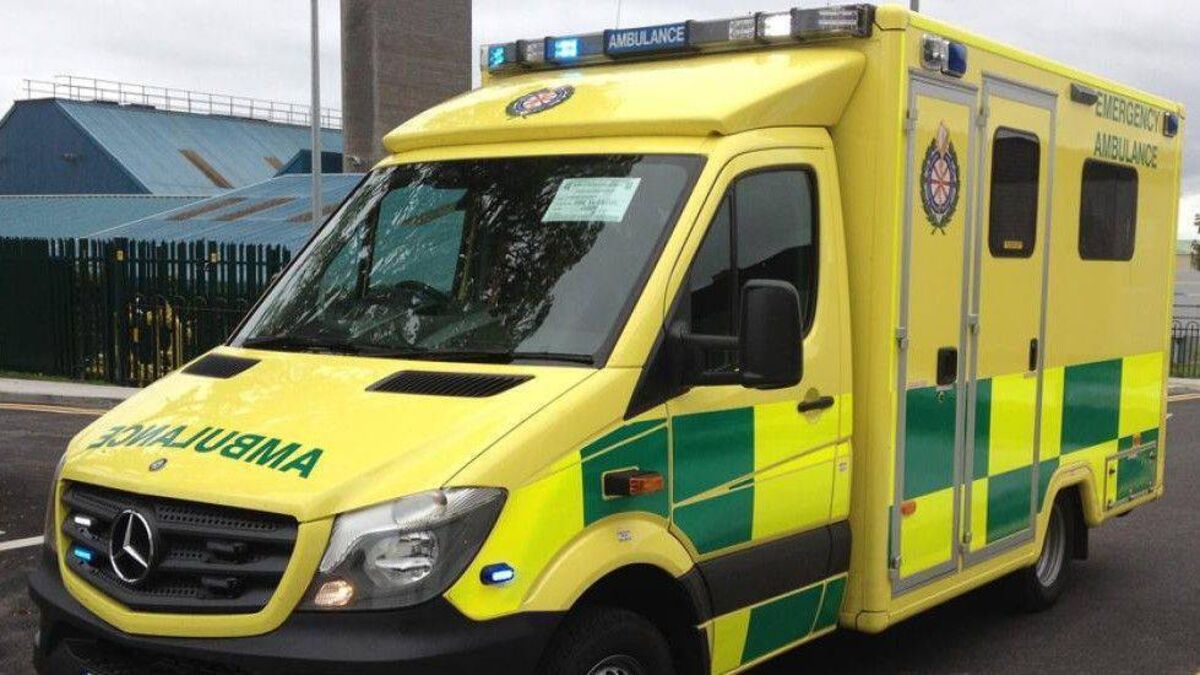
Demand for ambulances in emergency situations has increased nationally by 25% since 2019, according to the HSE.
Responding to concerns raised about the National Ambulance Service (NAS) at the June meeting of Regional Health Forum West and North West, Brendan McGovern, NAS General Manager Area Operations, said the need for additional capacity to service this demand has been "raised in parliamentary fora on multiple occasions".
"Finalisation of the NAS Workforce Plan 2022-2028 in June 2022 - underpinned by an independent demand and capacity analysis - identified the need for considerable growth in the workforce across the country, both now and into the future - 2,579 additional Whole Time Equivalent (WTE) staff by 2028.”
He continued: “It will take several years of sustained, consistent investment to reduce the widening gap between rapidly rising demand and the capacity available to respond to that demand.
"The level of staffing available in NAS is determined by the employment limit set in each respective year by the HSE. At the end of May 2026, this limit was 2,657 WTE; 2,497 WTE were in place at the end of April 2026 with 76 paramedics due to be offered posts in August 2026 and a further 55 UL student paramedics due to be offered posts in September 2026. 24 EMTs are also scheduled to commence employment in the near future, leaving five other vacancies.”
In terms of the work involved, Mr McGovern stated: “Over the last decade, NAS has become an increasingly attractive workplace with high levels of job satisfaction and favourable terms and conditions of employment.
“NAS operational staff work an average 13-14 days per month with considerable time off. The average paramedic with five or more years’ service earns more than €55,000 per annum for working 39 hours per week, while the recent Labour Court Recommendation now provides the potential for pay increases for frontline clinical grades ranging from between 8% to 23%.
“Since 2021, NAS has made considerable progress in both attracting new applicants and retaining existing staff.
"The most recent recruitment campaign for student paramedics attracted more than 1,000 applicants for the first time, while NAS staff turnover has now reduced from 0.2% above the HSE national average to 0.2% below the HSE national average.
“A significant feature supporting retention has been our decision to place new staff as close to home as possible. In this regard, Year 3 graduate paramedics are offered permanent posts as close to their home address as possible... where actual funded and approved vacancies exist."
In terms of staffing in the HSE West and North West region, he said the HSE plan nationally provides for 263 additional WTE positions nationally in 2026. Within the West and Northwest Area, this will yield a total of 45 additional staff and six vehicles.”
- Published as part of the Local Democracy Reporting Scheme.