Up to 16,000 homes could be created from above the shop and vacant spaces in Dublin
Kenneth Fox
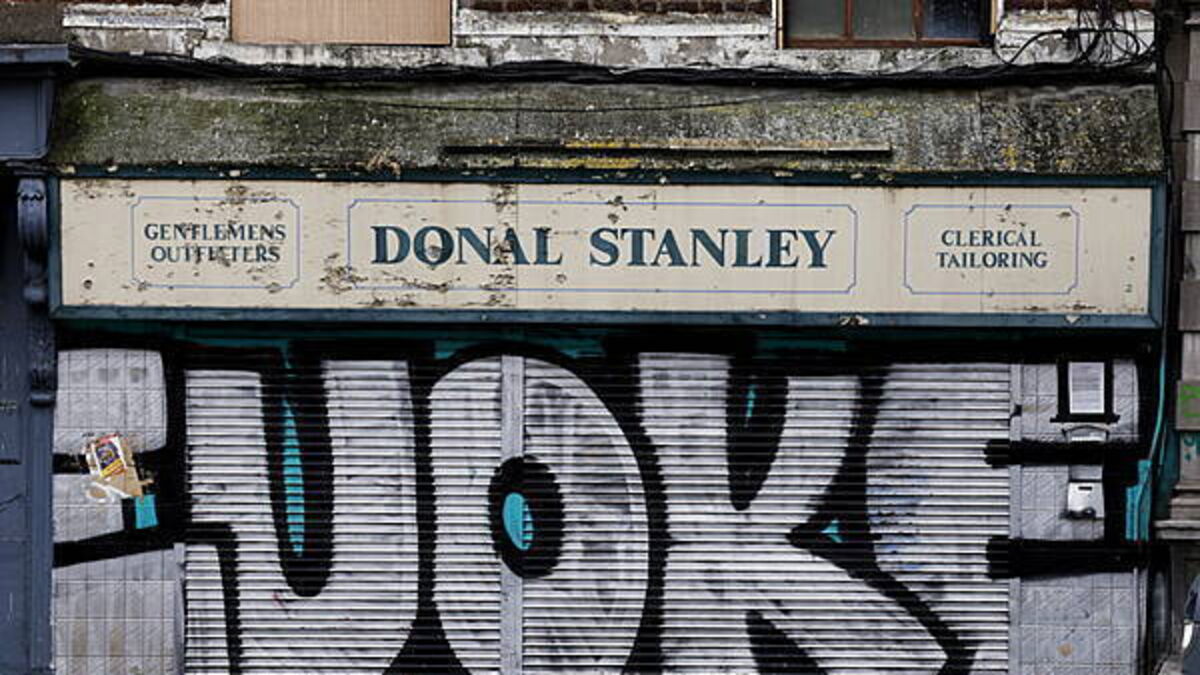
Up to 16,000 homes could be created from empty commercial buildings and above-the-shop spaces in Dublin city, according to a report commissioned by Dublin City Council.
Dublin’s climate action targets will not be met if housing and commercial buildings are continually demolished rather than reused, says the report from environmental researchers at the Centre for Public Impact and TransCap Initiative.
However, The Irish Times reports it found that the cost of refurbishing the city’s empty building stock is high, with up to €2.86 billion required to bring vacant property back into use.
The council in 2022 set up an “adaptive reuse” unit to combat dereliction and provide homes through the reuse of vacant properties.
Feasibility studies were prepared for 15 conversion projects, and the first three properties were bought at a total cost of €6.35 million.
However, the scheme has been radically curtailed, and just one project is proceeding: the adaptation of an office block at Fitzwilliam Quay in Ringsend.
Up to 16,000 homes could be created from vacant commercial and above-the-shop space. “This would present an important contribution to [the council’s] target of creating 40,000 new homes between 2022 and 2028,” the report says.
The Funding Architecture for the Circular Economy report notes it will be “challenging to meet housing targets and climate targets simultaneously”.
Adaptive reuse offers a means to “accelerate housing delivery, reduce embodied carbon and address vacancy and dereliction”, it says.
“Our research identified the reuse of existing buildings as the most immediately viable, under-resourced, and impactful route to advance circularity and progress towards [the council’s] climate mitigation objectives through reducing embodied carbon.”