Number of homeless children in State hits 5,659
James Cox
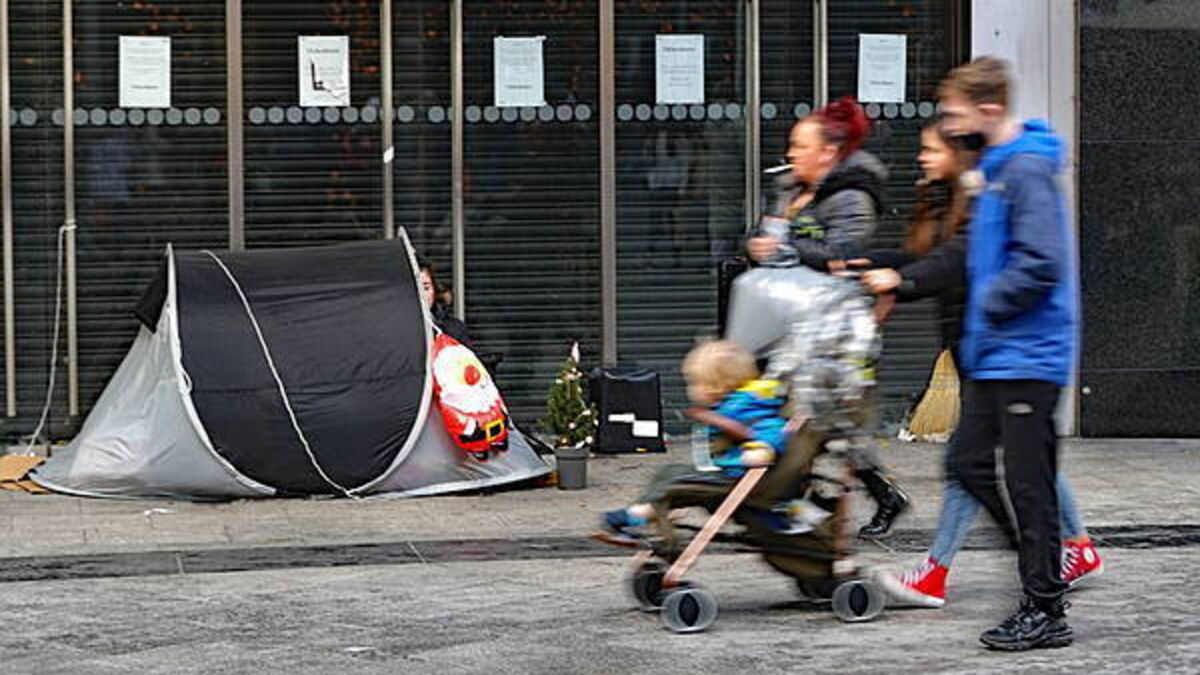
The latest homelessness figures show 11,868 adults and 5,659 children were in emergency accommodation in July 2026.
The figures from the Department of Housing show 11,868 adults (up from 11,864 in June) and 5,659 children (up from 5,620 in June) were in emergency accommodation.
The largest age group in the latest homeless figures was 25-44, representing 51.7 per cent of the people in emergency accommodation (6,138).
Simon Communities of Ireland said there is a lack of political urgency in dealing with homelessness.
The charity analysed the figures over the past year and found there has been an increase of 1,469 people (9.1 per cent) in emergency accommodation.
It called on TDs to "match the urgency of the fuel crisis", with 17,527 people in total living in emergency accommodation.
Ber Grogan, executive director of the Simon Communities of Ireland, said: "Today TDs have cut short their summer holidays to return to the Dáil to discuss fuel prices. While we welcome action to support households facing rising fuel costs, we need to see that same sense of urgency when it comes to homelessness.
"Ireland’s homelessness crisis has deepened over the last decade, and there’s still no sense of urgency from government. We need political leadership that matches the scale of the crisis. The Government must act now to prevent people from losing their homes, increase the supply of affordable and social housing, and ensure there are clear pathways out of emergency accommodation."
The Salvation Army said that the school return will put "immense pressure" on families.
“The change in living circumstances can cause huge upheaval and places immense pressure on families,” said Anthony Byrne, service manager at Houben House family hub in Harold’s Cross.
“Added to that pressure is a child born into homelessness, starting school for the first time and being asked where they live – in many cases they will not want to disclose that they are in emergency accommodation.
“That scenario can cause stress for children because they are not permitted to bring friends over for play dates, sleepovers or birthday parties, which is a normal rite of passage for most kids.
“That’s where our staff and key workers come in to try to navigate around those issues.”