‘There is more to Keel than camping’ - Protection group calls for investment amid increase in tourism
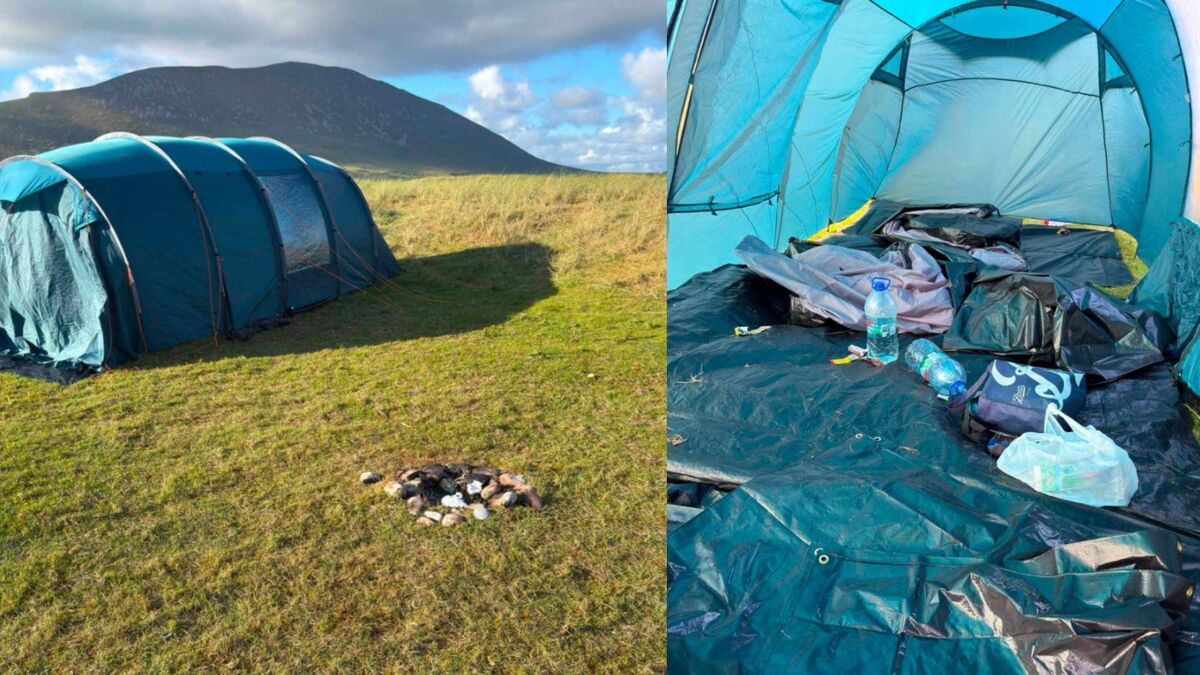
An abandoned tent on Keel Machair and the contents left in it. Photo: Keel Machair Protection Group.
The Keel Machair Protection Group has appealed to Mayo County Council, Fáilte Ireland and the National Parks and Wildlife Service for increased investment in the area, amid what it says is increasing pressure from tourism.
The grassroots group is calling for greater visitor management, infrastructure and investment to support sustainable tourism, to protect Keel and to safeguard its coastline.
Keel Village is home to around 256 people year-round, however, footfall increases significantly during the summer season as people from across Mayo, Ireland, and further afield travel to Achill for their holidays.
Keel Beach is a signature discovery point on the Wild Atlantic Way and one of 11 Blue Flag beaches in Mayo. The 4km coastline is a major attraction for visitors and is renowned for its watersports.
The protection group says the year-on-year increase in visitors during peak season is placing additional pressure on roads, water supplies, services and everyday life in the village.
“The pressure keeps increasing, but the infrastructure, protection and management have not kept pace. A village of this size cannot be expected to absorb unlimited pressure without consequence,” they said.
“There is more to Keel than Camping”, they added. "Keel is somebody’s home before it is somebody else’s holiday destination.”
The group welcomes visitors to Keel and Achill, but says greater investment and management are needed to ensure tourism remains sustainable for the area and its residents.
"Promotion must be matched by protection," they said.
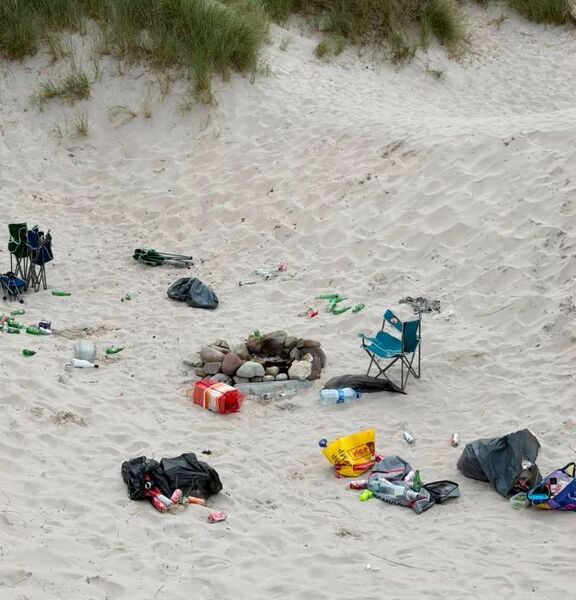
Earlier this month, the group shared images showing the negative effects of tourism, including abandoned tents, litter and evidence of campfires on the machair.
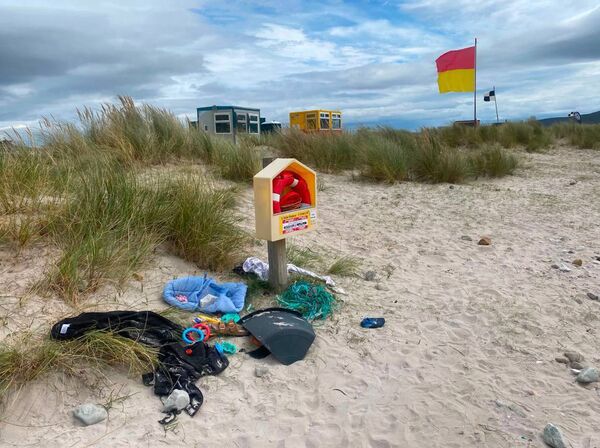
“This is not an isolated incident. It is one of many observed throughout the holiday season, including abandoned waste, illegal fires, and damage to an internationally important Special Area of Conservation,” they said.
“Keel Machair cannot continue to be used as an unregulated campsite, with the local community repeatedly left to address the consequences.”
“Visitors to Keel and Achill are welcome, but all have a responsibility to respect and protect this extraordinary place. Whatever you bring, take it home. Leave no trace. Do not light fires,” they added.
They said the images were further evidence of the urgent need for visitor management, proper facilities, and effective enforcement to be put in place to protect Keel.
Fáilte Ireland's plans for the coming years place a strong emphasis on sustainable tourism, regional development and investment.
In its 2026-2029 corporate strategy, Fáilte Ireland identified sustainability at the heart of Irish tourism as one of its ambitions, alongside strengthening regional development and delivering high-impact investment.
The organisation said sustainability will be embedded across tourism development, including climate resilience, nature-positive practices, efficient resource use and the long-term wellbeing of communities.
It also outlined plans for a structured short, medium and long-term investment pipeline, with the aim of making investments that can be deployed quickly.
The Keel Machair Protection Group welcomed the promotion of the area as a tourism destination, but said investment and visitor management must come with that promotion.
“Promotion brings people, and they are welcome. But without proper visitor management, the landscape and the community are left carrying the consequences.
“Keel helps illustrate the strategy. The irony is that we are still waiting to see what its promises will mean on the ground,” they said.
Earlier this year, Fáilte Ireland also published its Wild Mayo Destination and Experience Development Plan, a five-year plan aimed at supporting sustainable tourism development across North Mayo, from the Mullet Peninsula to Ballina and Foxford.
The plan sets out ambitions to attract more international visitors while developing additional attractions, improving connectivity, and creating a collaborative tourism network.
It also outlines plans to support the Irish language and develop interpretative experiences, with a focus on creating an authentic, spectacular and sustainable destination.