Mayo hotelier urges council to oppose tourist tax
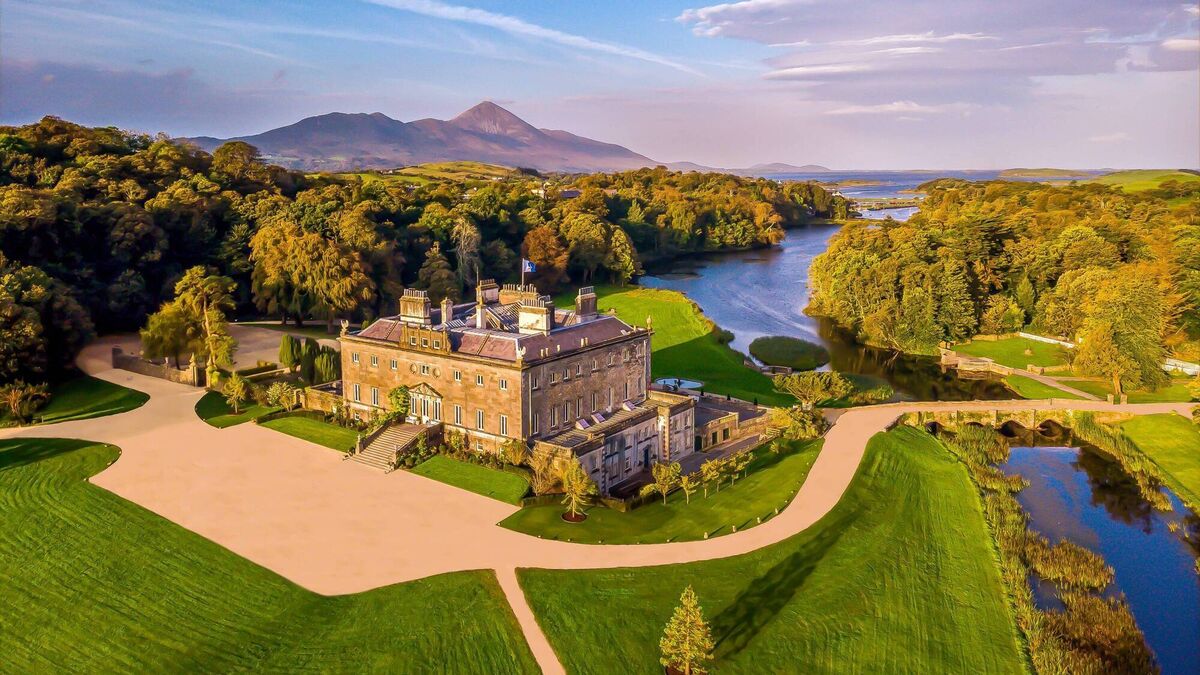
Mr Lennon said the Westport House plan will be crucial to bringing more tourists to Mayo.
A Westport hotelier has urged Mayo County Council to oppose the introduction of a visitor accommodation tax, warning that further costs would put additional pressure on tourism businesses.
Michael Lennon of Westport Woods Hotel made the appeal at the October meeting of the council’s strategic policy committee (SPC) on Enterprise and Economic Development, saying businesses do not need the added pressure of another tax.
Mr Lennon recently presented to the Department of Enterprise as part of a public consultation on preparing enterprise development for 2035. He explained that it was the first opportunity for the tourism sector to make a presentation of this kind, as tourism officially came under the remit of the Department of Enterprise in the last 18 months.
“One of our key points was that we don’t overtax this industry,” he said before urging members of the SPC to support his opposition to a tourist tax in Mayo.
Mr Lennon has previously raised concerns about a bed tax being introduced in Mayo, pointing to auto-enrolment, minimum wage increases and rising bills as financial pressures already facing the industry. He also highlighted that around 30% of tourism revenue goes back to central government, with the money then being reinvested in enterprise development. He said it was being spent “very generously among enterprise development in Mayo and the country in general”.
Fáilte Ireland reported for 2025 that €11.2 billion was generated through tourism, including €3.3 billion in Exchequer revenue.
A tourist tax, or bed levy, has been proposed for Dublin as a potential source of significant funding for the local authority, although no national legislation has been passed yet.
A policy brief published by the University of Galway in September estimated that a €1-per-night levy could generate €44 million per year for local authorities, rising to almost €220 million at a rate of €5 per person per night.
Across the European Union, 21 cities have implemented a similar tax system. Amsterdam has one of the highest tourist taxes in Europe, standing at 12.5%, with the coalition government revealing plans to raise this to 20% by 2031.
Separately, Mr Lennon highlighted the growing opportunities for tourism in Mayo, pointing to developments and initiatives being progressed in Castlebar, Westport, Louisburgh, Knock and Ballina.
He also referenced the €67 million investment in Westport House, saying it would form part of the “big ticket” tourism plan aimed at bringing more visitors to Mayo in the future.
“Every euro spent will generate 10 more,” he said. “60% of the [tourism revenue] comes from visitors from abroad. It will be more in the next five to 10 years.”
Mr Lennon said the Department of Enterprise’s current strategy aims to grow tourism revenue to around €15 billion annually.
- Published as part of the Local Democracy Reporting Scheme.