Demand for ambulances is continuing to rise
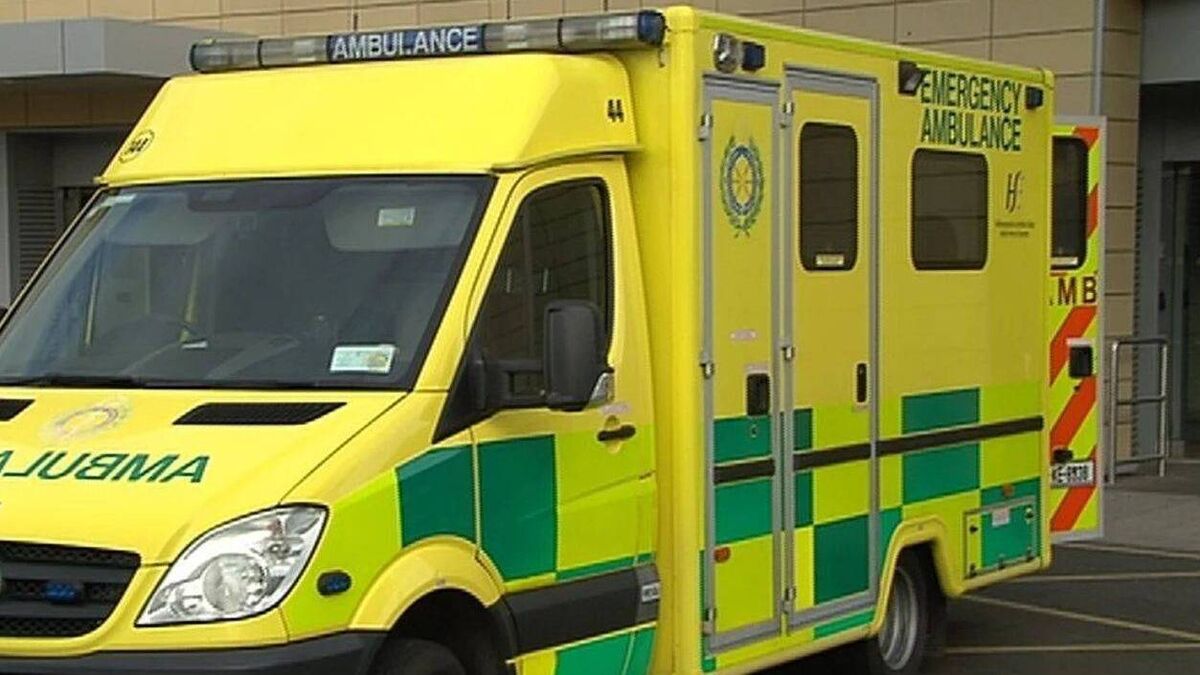
While a new ambulance base has been announced for Castlebar, this does not mean a raft of new ambulances will be coming to town, it was revealed at the February meeting of the Regional Health Forum West and Northwest held in Merlin Park, Galway.
Responding to the announcement of the €10 million HSE Capital Plan 2026, which includes an allocation of €110,000 to develop a modern ambulance base in Castlebar, newly-appointed National Ambulance Service coordinator and General Manager of Area Operations West Northwest, Brendan McGovern, told the forum that additional ambulances were not part of this latest investment.
"When we are talking about a new base, it is about providing the footprint to be able to expand services into the future, so that with any increase in funding there will also be more position numbers. So while there is no specific commitment [for additional ambulances] alongside funding of the new ambulance base, it does provide us with potential for the future."
Mr McGovern said Castlebar was expected to receive one additional ambulance in 2026. He explained that call volume determines how many crew are allocated to an area and how many are put on roster, adding that typically at nighttime there are fewer on the roster, reflecting demand not being “as high by night”.
“Our call volume is increasing by about 5% year on year. Thankfully, there is also increased investment across the area but there is no doubt the demand is impacting our response times. Nonetheless our crews are providing an enormous service and are very dedicated, but the call increase is a challenge for us.”
He continued: "The geography of the region is also very challenging. It is an enormous area to cover, and it takes a long time to get from point a to point, but the service always provides the nearest resource and there is no delay in despatching it.”
Mr McGovern suggested there may be a misperception that an ambulance is simply “waiting around for a call” but that is never the case.
"The resources are simply not there to allow an ambulance stay steady waiting for a call. Rather, they are literally being assigned from one case to the next."
Responding to a query from Mayo forum member Cllr Michael Kilcoyne, the ambulance manager revealed the service experienced 15 occasions last year where a single shift could not be staffed due to sickness or unforeseen circumstances but said that alternative arrangements were always implemented to ensure continuity of service.
Cllr Kilcoyne charged that ambulances were coming from as far away as Clifden to service calls in Castlebar, saying: “It’s a long way and sometimes you might as well make a call to McDonald’s as to the base in Castlebar as on many occasions there is no ambulance crew there."
Tuam-based Cllr Donogh Killilea quoted figures showing over 200 people who needed ambulances made their way to the hospital themselves.
The ambulance chief said that the crew may indeed be from Clifden, but the ambulance may already be in the local area. He added that the service is determined by the call volume at the time and that key performance indicators are tracked constantly across Ireland.
Paul Gallen, Head of Operations with the National Ambulance Service, then revealed that "one in every two ambulances will not meet enough response times".
"We need 108 more ambulances to meet demand, corresponding to 1,236 staff which is a significant investment.”
“We are a mobile service, which is better than sitting in the base, so that we do respond across the community.”
It was also disclosed that a 47% response rate is being met within timelines while hoax calls amounted to 1% of all calls received.
- Published as part of the Local Democracy Reporting Scheme.