Couple shares endearing story of Mayo's 1951 All-Ireland victory
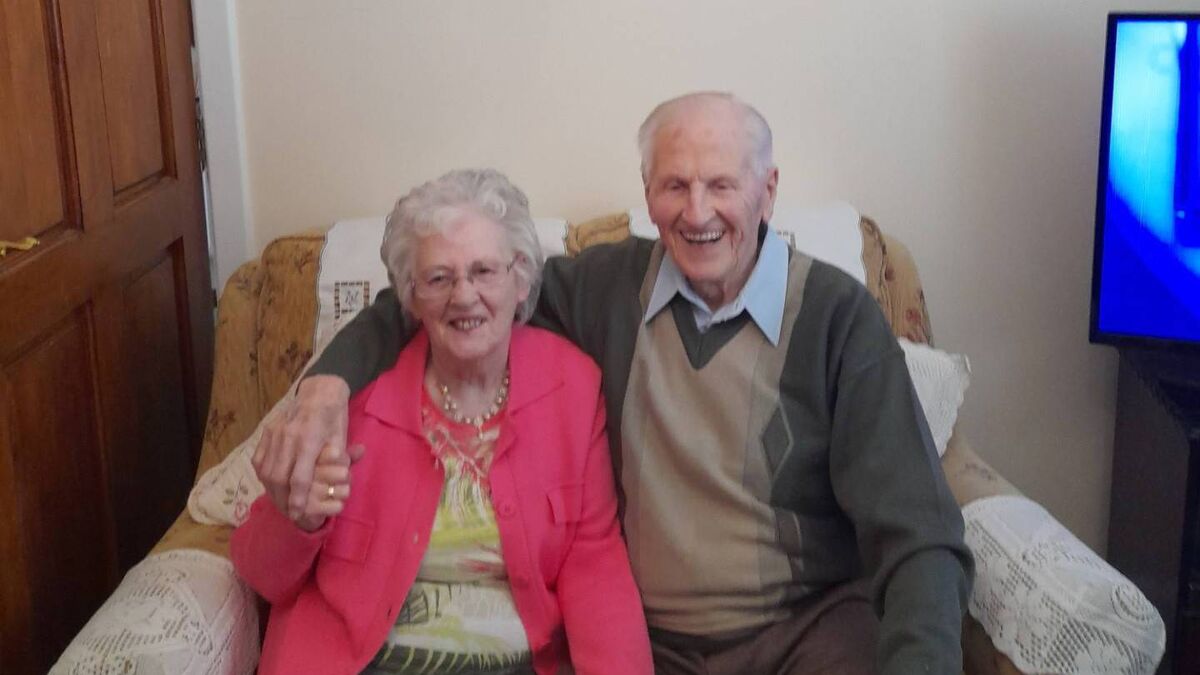
Teresa and Sean McEvoy.
As excitement builds around another All-Ireland final, Athlone couple Sean and Teresa McEvoy are reflecting on a Mayo football memory that has remained with them for more than seven decades.
Sean, 96, who lives with dementia, still treasures memories of Mayo's famous 1951 All-Ireland victory, a match he travelled from Ferbane, Co Offaly, to Croke Park to witness as a young man.
Sean has shared the story with his wife Teresa, a native of Killasser, Swinford and lifelong football supporter, throughout their 61 years of marriage.
An Offaly native, Sean attended the match after travelling by train from Ferbane to Dublin with a friend. They had no tickets for the game but, according to family recollections, a Garda they knew at the time helped them get into Croke Park.
Sean often described watching the match sitting on the grass, a world away from the modern stadium supporters know today.
"They had very little money in those days," Teresa said.
"Sean always described it as a fantastic match. He talked about it all through our marriage."
Sean particularly remembered Mayo footballer Dr Pádraig Carney, known as "The Flying Doctor", who played a key role in Mayo's victory that day.
The 1951 final is remembered as one of Mayo football's landmark victories, with Mayo defeating Meath to secure consecutive All-Ireland titles.
For Sean, it remained one of the sporting memories he returned to most often over the years.
The couple met at a dance in New York in the 1960s.
"The craic was mighty," Teresa recalled.
They married after ten months. After marrying Sean, Teresa said: "I never looked back."
The couple later returned to Ireland and settled in Athlone in 1975.
"When we were in America, we'd sometimes have someone at home put the phone beside the radio so we could listen to the match commentary," Teresa said.
Over more than six decades of marriage, watching All-Ireland finals together became a tradition.
"On the Sunday, we'd have the dinner early. We'd sit down; all set for the match. We wouldn't even be talking to each-other; we'd be glued to the screen."
Today, Sean attends The ASI's Athlone Day Service, which Teresa says has been a tremendous support.
"We're very grateful for the centre. It's lovely down there and Sean can't speak highly enough of the staff."
While dementia has brought challenges, Teresa says it has never taken away the qualities she most admires in her husband.
"Sean is a great husband and a great father. He always treated me very well.
"He always had very good sense and knew the right thing to do. He has a great sense of humour and he still has all those qualities."
Teresa believes social connection remains vitally important for brain health and overall wellbeing.
"I'm always saying to Sean that talking to people, talking to younger people, is great for the brain and he agrees with me."
She hopes that by sharing Sean's story, more people will recognise the importance of preserving people's stories and understand that it is possible to live well after a dementia diagnosis.
"I just want people to know that it is not all doom and gloom. Yes, he has dementia, but he still has all those great qualities, and we had a great life together.
"These stories are important. They are people's legacies."
Leanne Taitt, Manager of The ASI's Athlone Day Service, said:
"Sean loves to share the story of attending the 1951 All-Ireland final. His story is a reminder that it is possible to live well with dementia and continue to enjoy the people, memories and interests that are important to you, particularly with the right support.
"Teresa's love and support have helped ensure Sean continues to enjoy the conversations and interests that are so important to him."
For more information on The ASI's services, please visit alzheimer.ie.