Concerns raised over funding for rural roads scheme
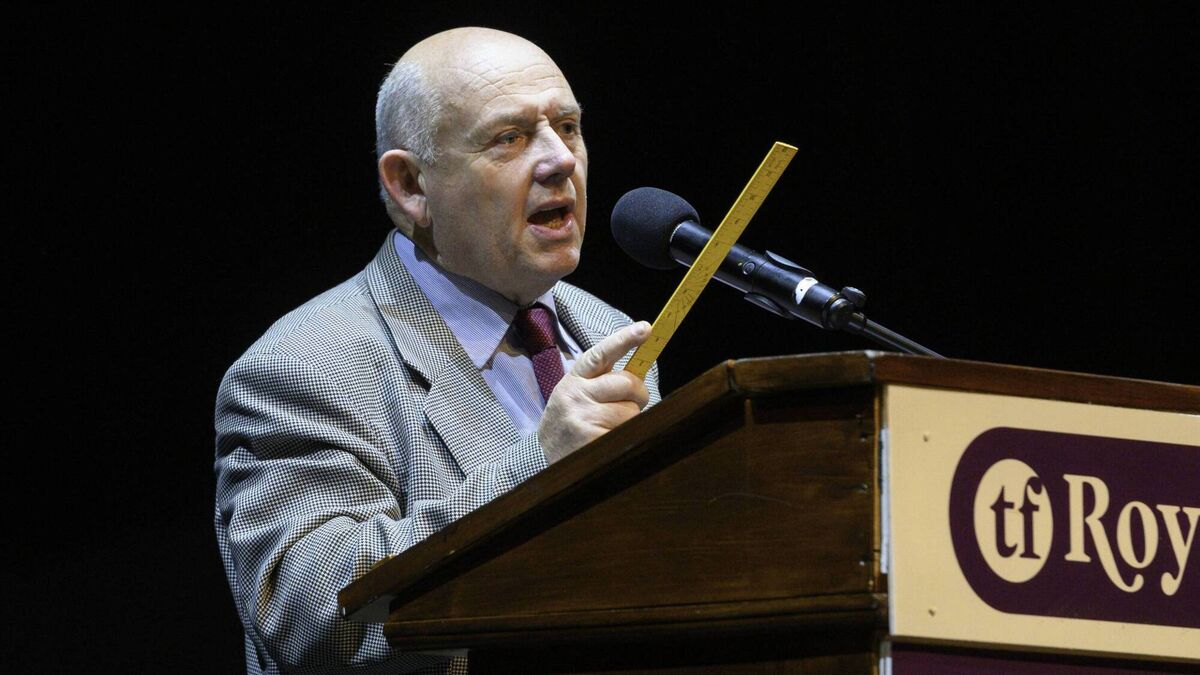
Independent Cllr Patsy O'Brien highlighted the issue.
The Local Improvement Scheme (LIS) is one of the biggest road schemes for rural areas in Mayo but there is never enough funding, according to a Mayo councillor.
Cllr Patsy O'Brien made his comments at last week's meeting of Mayo County Council's Roads and Sustainable Travel Strategic Policy Committee (SPC) in response to a request from Director of Services David Mellett who had sought feedback on the scheme in light of updates introduced last year.
"The criteria being used this year to tar all roads is very unfavourable," said Cllr O'Brien. "Fine, it is good that a road is constructed to a very high standard where there are houses but where you have a bog road into a farmer’s land, this will also be fully tarred while another rural road can be left in a terrible state.
"LIS is great for opening up territory for people to access land and property so I think, yes, adopt the high standard where there are houses but for quite a lot of roads that just lead into land, this can be an awful waste of money and we could do an awful lot more.
"We got so many roads done in the past with the 804 regulation (where crushed stone was used to surface roads) but we can’t do this now with the high standard requirement. I did not realise we would have to slavishly tar every road under LIS.
"People are looking at these tarred roads and seeing nothing done on their own road and saying, 'what is going on?' The process in the past was very helpful, and the money was made available, but not now. Ninety per cent of those coming to me are not looking for tar but just to improve the structure there because they are driving slurry tanks and heavy vehicles.
"Road pricing is now very high and out of reach for farmers and rural people. The high standard makes no sense where there is a road just running into land or the bog. I ask for it to be looked at in relation to land use only."
Cllr O’Brien said he intended to submit a notice of motion on the matter to the next council meeting. He was also taken aback by the way the LIS allocations were made this year, which left very little money per councillor, whereas in the past they were given around €80,000 each.
Cllr Richard Finn agreed: “The LIS money comes to the municipal districts when it should be divided among the councillors who are at the coalface to pick the most deserving projects. This will lead to an equitable distribution of LIS, because what is happening is a list of roads are put before us like a book of requests. Every road should be priced even if it can’t be done for a year or two without it having to be inspected again. The councillors cannot draw up a priority list if they don’t have the price to cover it. At the moment the roads are being picked randomly and just given the few bob that is there.”
Mr Mellett said the LIS scheme came under national funding and had limited scope, adding that the feedback would be brought back to the council.