Beloved history of the horses and plough
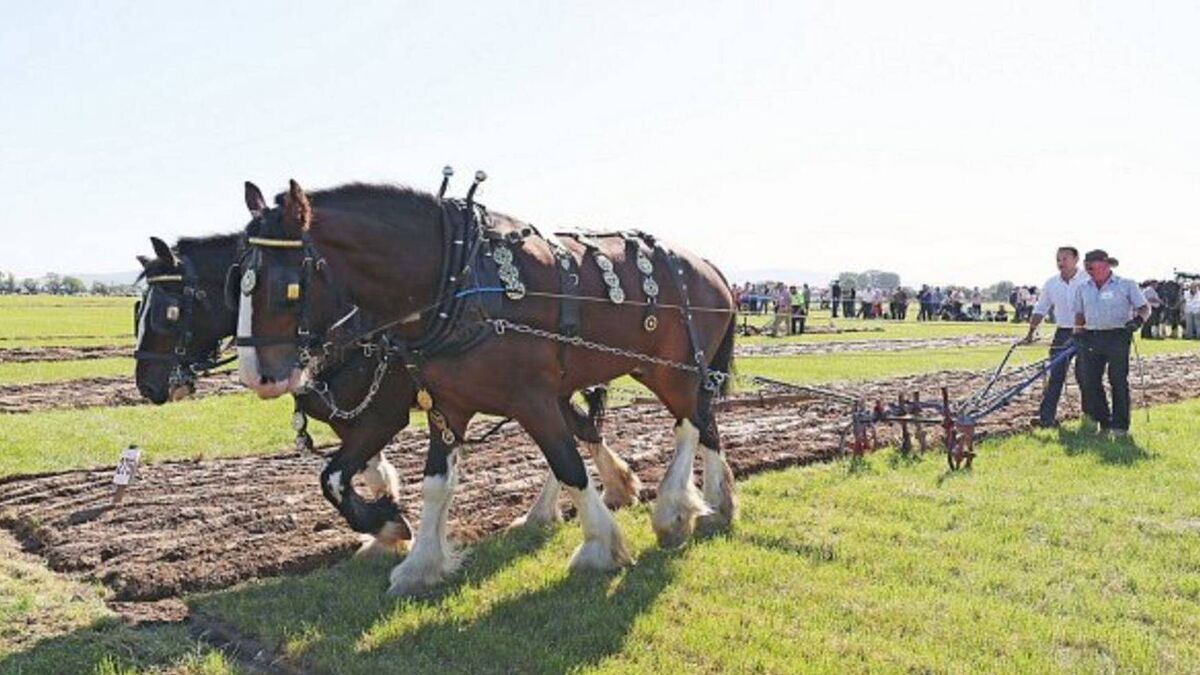
Traditionally, a man and a pair of horses could plough approximately one acre of land in a day. This standard rate of work was, however, influenced by soil type.
These lines are from a song on the 1999 album, , by Ox Mountain farmer, singer and musician, Colm O’Donnell. The song, , is a nostalgic look back at a way of life that has passed from our farming calendar.
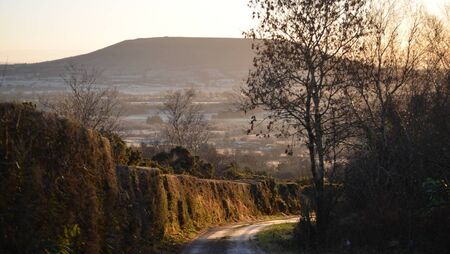
At this time of year, the small fields around the Ox Mountains came alive with the work of tilling the soil. Skilled men with wise horses ploughed the land in preparation for sowing crops of oats and potatoes. At this time, the weather always seemed to come right and, in certain places, time would be left aside for a local ploughing match, when men and horses could test their skills against each other.
Historians generally agree that the earliest implement that resembled a plough was probably a suitably shaped tree branch which was used to break the soil surface. These implements were little more than a hand-held hoe, which the early farmer used to scratched the earth to bring nutrients to the surface. By cultivating the soil in this way, germination improved and crop yields increased. Alan Jones, writing for the , describes the advances in plough design through the ages.
Few changes in design took place until the mid-1600s with the Dutch being among the first to improve its shape. Another major advance took place in Northern England when Joseph Foljambe from Rotherham built a plough, known as the Rotherham Swing Plough. This new design was more efficient and lighter to pull and in ploughing terms was described as ‘the perfect implement’.
Since the mid-1800s, considerable refinement took place in plough development. The use of horses, as opposed to oxen, helped to created further advances and these horse ploughs remined in use up until the 1950s. Using converted horse ploughs, tractors eventually took the place of horses and so heralded the start of the modern ploughing techniques we are familiar with today.
When the Land Acts of the early 20th century left the land in the ownership of former tenants, the horse played a central role in reclamation and tillage. Wendy Conlon, writing in the (2016), in an article, , explained how horses helped these new, small farmers to plough and harrow the land.
These horses came in all shapes and sizes but were mostly the larger draft breeds. The most-used ploughing horse breeds included, the Clydesdale (distinctive feathers), and the Shire (largest breed). Other excellent plough horses included the Irish Draught. Common to all of these breeds were their strength, endurance and calm temperament.
Traditionally, a man and a pair of horses could plough approximately one acre of land in a day. This standard rate of work was influenced by soil type, with lighter soil allowing for more ground to be ploughed with heavy or untilled soil reducing the rate.
I never remember horse ploughing on our farm but my father always talked about this seasonal work with great affection. He also spoke of the men in our locality who were noted for their ploughing abilities. These men often formed partnerships (as described above), and these teams, the amount of work they could do and the quality of that work, remained part of local farming lore for decades.
Good ploughmen made straight furrows of the correct depth. A boy once said that potatoes would grow just as well in a crooked ridge. He was soon informed by a wiser man that a straight furrow was a question of pride. On certain occasions, ploughmen could put their skills to the test at the local ploughing match. These were interesting affairs, often held on a suitable Sunday in spring, attracting ploughmen from far and wide. Men and horses arrived from all sides; it seemed when it came to ploughing, the same competitive spirit gripped all men, regardless of politic belief or religious faith.
My mother often fondly recalled such a ploughing match that was held on her father’s farm in Cloonacool in the early 1940s, when she was a teenager. Her fondest memory was that of the showjumping that took place after the ploughing competition was over. What a magical experience for a young girl; to see local lads compete with the visiting gentry in her father’s field. I checked the local newspapers of the time to see if there was any report of the event that was so embedded in my mother’s memory. I searched and searched and eventually, I found the short report.
I was delighted to see in the same report the names of the men my father had admired and to read that many of them were prize-winners on that March Sunday in 1942: Frank McIntyre (my uncle), Jim Armstrong, Tom Connolly, John Pakie Henry, Paddy McKim and Johnny Ross.
There was a sound track that accompanied ploughing; the tunes were simple, timeless, natural. There was the even plod of the horse’s huge hooves, the occasional ‘walk on’ of the ploughman, the jingle of chains, the creak of leather and the satisfying sound of soil being sliced open. Neither the cowardly caws of the crow nor silly squeals of the seagull could knock out of tune these songs of spring.
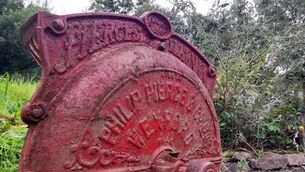
The horses are now gone from the field, the plough has rusted over and the local ploughmen, the men that my father admired, are finished for the day, peacefully resting in the green fields of heaven.