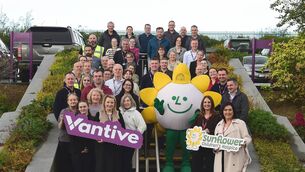
Local group seeks 'an accessible Ballina'
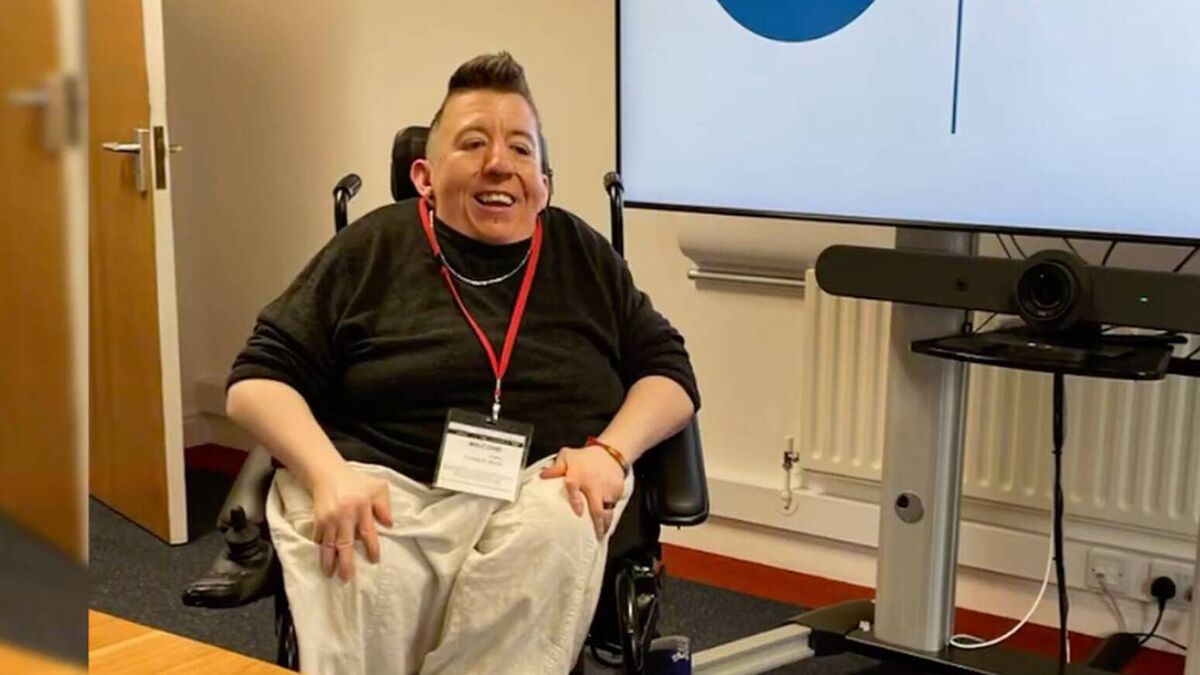
Chairperson of Mayo Disabled Persons Organisation Avril Greham addressed the meeting.
Providing accessibility to public facilities can make a huge difference, not just to people with disabilities but also to the tourism industry in general, as it means more people can visit and enjoy amenities.
This was the message from a deputation representing Mayo Disabled Persons Organisation (MDPO) who addressed last month's meeting of Ballina Municipal District, pointing out that disabled people account for 22% of the population in Mayo.
Chairperson Avril Greham told members: “Accessibility is one of the biggest untapped sources of tourism. We bring families and friends with us, we spend money, but we need to know if a place is ready for us before we go. The amount of research we have to do before we do go anywhere, between checking routes, parking, toilets and general layouts, this is something most people in general don’t have to do or even think about.”
Calling for Ballina to become an accessible town, following on from its recent accreditation by AsIAm as the first Autism Friendly Town in Connacht, she added: “An accessible Ballina isn’t just the right thing to do, it is a signal to every disabled visitor that Ballina is open, welcoming and ready.”
Highlighting the work of MDPO, Ms Greham explained the body was set up by Independent Living Ireland and is not a charity but an organisation run by the disabled for the disabled that brings the reality of everyday life of a disabled person to the fore and advocates on their behalf on everything from housing and transport to access to public buildings and public services.
She said since Ireland signed up to the United Nations Convention in 2018 recognising the rights of disabled persons, it is important that accessibility be built into all new public projects as they are happening, rather than after the fact, saying: "Our tagline is ‘nothing about us without us'. We ask that we can work together in Ballina where disabled don’t just get by, but take part and thrive.”
She added that current development plans for The Quay area in Ballina provide “a huge opportunity to ensure accessibility is built in from day one”, adding: “It can make the difference between being able to spend a day in Ballina or not coming out at all. This is about people taking part in our own community.”
Rebecca Connor-Wood of Ballina Autism Friendly Town told members: “Policies and plans are one thing but living with the gaps is another. The barriers out there can be quite dramatic, and lead to us not being able to use a public toilet or attend an event. We are planning around barriers others don’t have to think of, so that over time, you just opt out. This isn’t about asking for special treatment, it is about fairness, access and rights.”
Welcoming accessible toilet initiatives being carried out across Ireland by Changing Places, she said of the redeveloped Ballina Quay area: “This should be a space for everybody to spend time in but if the pathways, the seating or the toilets are inaccessible or unsuitable, we cannot go there.”
The deputation asked that consultation with disabled people take place on any future public facilities and services developments in the Ballina District and that MDPO be formally recognised as the representative voice of disabled people in the Ballina area and county, with a commitment to ongoing partnership.
Councillors warmly supported the deputation with Cllr John O’Hara pointing out that he could not see why Mayo County Council could not emulate Sligo County Council, which is working with the local representative body to develop a disability inclusion strategy. Cllr O'Hara said the members of MDPO have so much “lived experience and knowledge to share that can definitely help with planning for projects and accessibility regarding infrastructure".
“No matter what town you come into, everybody needs a bathroom and a place to change, and I have to say some multinationals that got planning permission for stores are not equipped for everybody and that is wrong.”
Cllr Marie Therese Duffy welcomed the “useful and informative presentation”, thanking the deputation for sharing their experiences and noting that involving the council from the start “would save changes further down the line and benefit everybody in the community".
Cllr Joe Faughnan recalled all the planning that went into securing a Changing Places facility in Knockmore, saying he looked forward to more progress in the district, while Cllr Michael Loftus said he would like to see accessibility incorporated into the Ballina Town Development Plan and also as a feature in all other towns in the county, stating: “There are things that have to be looked at from a county point of view, lighting and signage should be mandatory everywhere. There are many different areas that have to be addressed and we are getting there slowly.”
Cathaoirleach Jarlath Munnelly stated: “Making policy to make sure everybody is represented is just the right thing to do, and I don’t see why when we have public consultations that your voices are not heard."
Cllr Munnelly recommended a follow-on for the proposal be taken up at Strategic Policy Committee (SPC) level in the council.
Director of Services Catherine McConnell told the group: “It is always good to be reminded that what is good for one group is good for everyone and Ballina deserves to be recognised and all credit for making sure all voices are heard.
“We have some funding for the Quay, there was a Changing Places fund in there and we will be very pleased to see that happen. You are right, consultation and hearing all voices makes every project better but maybe we need to be more proactive to reach out to more groups to make us aware of all issues.”
Later in the meeting, Cllr Annie May Reape proposed a motion calling on Ballina Municipal District to bestow a reception on Ballina Autism Friendly Town committee on its official recognition as an Autism Friendly Town by AsIAm, making it the first Autism Friendly Town in Mayo. This was agreed by members.
- Published as part of the Local Democracy Reporting Scheme.