Council is correcting inaccuracies in Mayo's electoral register
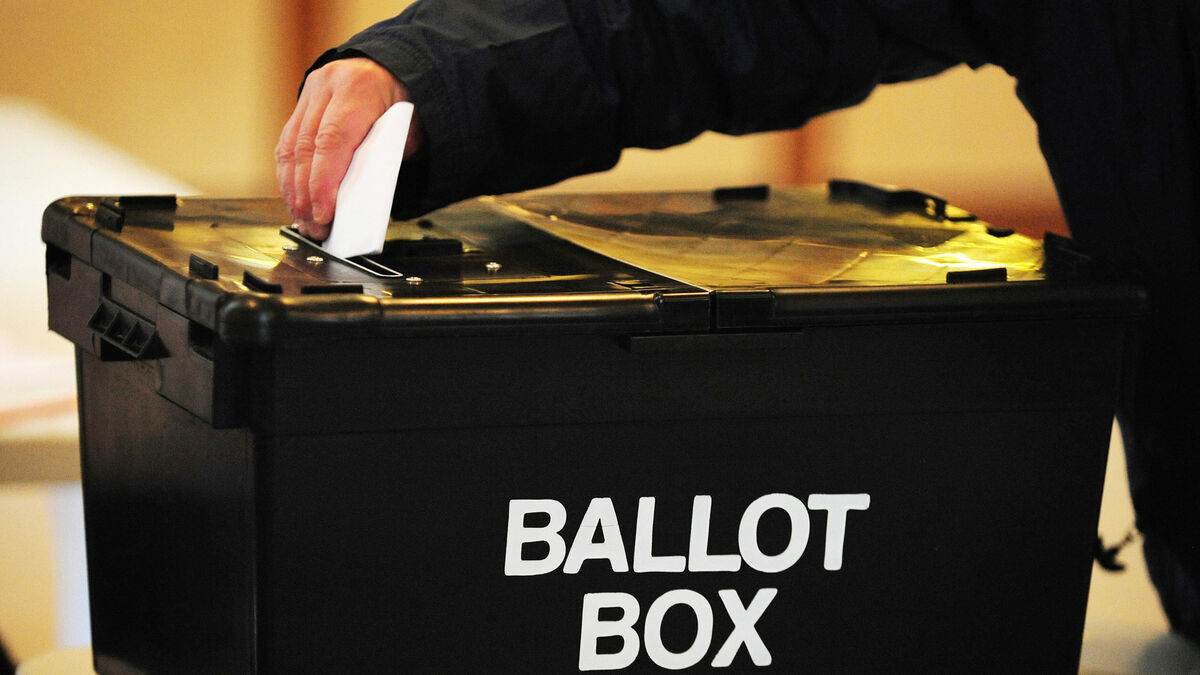
Mayo County Council has made significant progress in correcting electoral register inaccuracies.
Last year, the Electoral Commission revealed that Mayo's electoral register has 100.4% of the number of electors on the register compared with estimated eligible electors. The Commission stated this “appears to indicate considerable inaccuracies on the register”. The council was one of 11 local authorities which had more people on their electoral registers than are eligible to vote.
The council said a paper-based system that has no built-in mechanism to prevent duplicate registrations was the root cause of the problem.
The Oversight Report on Ireland’s Electoral Registers found that there were "an undefined, but potentially significant, number of duplicate or redundant entries" on election registers with names of voters who had registered with more than one local authority area, had emigrated or passed away.
Patricia Flynn, head of Mayo County Council’s electoral register team, told a meeting of the council’s Planning Strategic Policy Committee about the work that has been undertaken to correct the issue.
Ms Flynn said a new online voter registration system has been a "game changer" and thousands of ineligible electors have been removed from the register over the past two years.
A further 1,427 duplicate entries were removed as part of a migration project, along with 862 electors who had moved out of the county.
The council also identified 3,525 national duplicate entries. This is where people are registered in Mayo and other counties which has proved to be a significant issue in rural counties. The local authority has written to all those identified.
Availing of data from the Mayo electoral database and the National Death Register, the council deleted 1,073 deceased electors from the register.
The council has also liaised with RIP.ie and Midwest Radio and it is in the process of writing to 26,300 people on the register about whom it holds very little information. Under the law, three attempts must be made to contact individuals before they can be removed from the register.
- Published as part of the Local Democracy Reporting Scheme.