My first adventure in Ford’s new Explorer
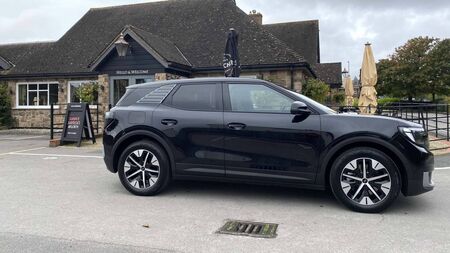
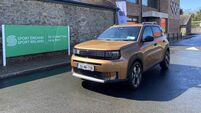
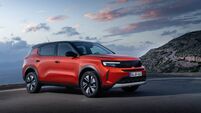
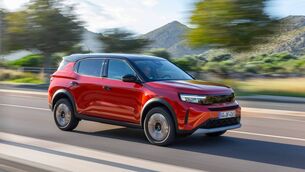
The design of Ford's Explorer includes a strong, clean and friendly front end.
Ford’s choice of an adventurous back-to-nature theme for the United Kingdom and Ireland launch of its new Explorer proved an appropriate one for this new all-electric crossover SUV, the first in a wave of new electric vehicles for Europe that will signal a complete reinvention of the brand.
The New Forest area of Hampshire, England’s smallest National Park, provided us with a calming yet adventurous experience driving over country roads in and around the famed 400-year-old woodlands grazed by deer, cattle and the Forest's indigenous ponies. It is also favoured by hikers and families who explore the many trails throughout the forest.
Explorer is a new mid-size five-seater vehicle engineered and assembled in Ford’s state-of-the-art electric vehicle centre in Cologne, combining European engineering with strong American styling. It is actually built on the same platform as the Volkswagen ID.4, so both models share some components.
Explorer is equipped to set active families on the road to adventure with features that include the option of a sleeping tent that sits on top of the vehicle. In size, Explorer is just a bit smaller than the Ford Kuga but has a longer wheelbase at 2,767mm.
All the Ford UK top brass were on hand for our introductory presentation including Lisa Brankin, Ford Chair and Managing Director Ford UK and Ireland, as well as those involved in the design and engineering of the Explorer in Europe, which all helped emphasise the importance of the launch. Jordan Demkiw, Exterior Design Manager, said when they set out to design the car they wanted a very bold and confident vehicle, "something that will exemplify the spirit of adventure and exploration".
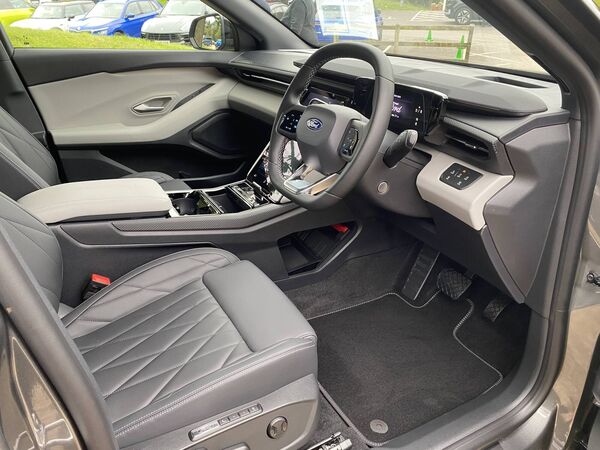
The design includes a strong, clean and friendly front end. The car’s futuristic exterior styling is matched by the ultra-modern interior with premium materials and features like sculpted sporty seats with integrated headrests and a massage function for the driver as standard on every Explorer — which wasn’t needed when driving in the calmness and tranquility of roads in the New Forest, where ponies grazing along the roadside barely lifted their heads as we slowly passed by.
As this is an electric car, the designers could free up the centre console from more traditional controls and reuse the space with the 14.6-inch supersized movable touchscreen that you can lift up, leave in any position you find comfortable, and store your valuables in the Secret Locker (whoops, not secret any more) behind the screen, and then lock it at the lowest position. The Ford SYNC fully connected infotainment system wirelessly integrates mobile phones and comes with a built-in EV trip planner and satellite navigation.
The extendable MegaConsole storage space between the front seats has 17 litres of space, providing enough room for a large handbag or laptop. It held the two cold bags that contained our lunches on the day, with plenty of room to spare. There was also a handy open storage area below, nearer the floor.
The 5.3-inch digital cluster has all the trip information you could require. Driving the top Premium grade, I was intrigued by the shape of the soundbar-style B&O speaker on top of the dash which looks like something from outer space.
The top trim has a power tailgate and boot space of 450 litres.
A suite of advanced driver assistance features include Adaptive Cruise control, adaptive matrix LED headlights, and a 360-degree camera. The driver Assistance Technology Pack features 12 ultrasonic sensors, five cameras and three radar sensors to keep you safe on the road.
The RWD 77kWh Extended Range cars were available for us to drive in both Select and Premium grades. Both have one-speed automatic transmission. Other common features include max power of 286hp, torque of 545 Nm, a 0-100km/h acceleration of 6.4 secs, combined energy consumption of 14.7 kWh/100kms, rear view camera, front and rear parking sensors.
Explorer can undertake longer journeys with more than 600km driving range possible from a single charge on the extended range RWD models which eliminates any problems with range anxiety. The range is a bit less at 570kms for the Premium grade. Both versions can be fast charged from 10pc-80% in around 26 to 28 minutes, using up to a maximum 135 kW DC fast charger. The Explorer can tow up to 1,000kg with the electric tow bar that stows away at the touch of a button.
While I enjoyed all the comfort the entry grade had to offer, stepping into the Premium version with its added luxury such as the panoramic sunroof and enhanced features soon made it my clear favourite of the two. Finding a perfect driving position was easy with the 12-way power seat adjustments. The excellent head-up display and 360-degree camera also helped, not to mention all the top-end driver assistance and safety features which really impressed.
Despite on-road testing, I could find no obvious fault of any kind with the car and thoroughly enjoyed both test drives travelling in big comfort with plenty of power if needed, and I look forward to driving the Explorer back in Ireland for longer test drives.
PRICE: Explorer prices start at €43,591 for the Select model; the Premium comes in at €48,006. Both prices include €3,500 SEAI EV grant and VRT relief for eligible variants.