Effective control of rodent infestations
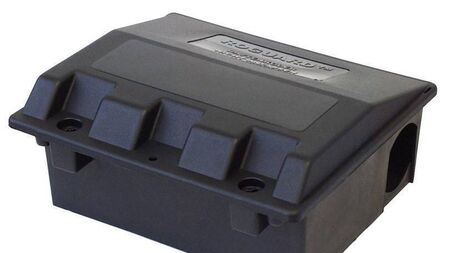
Roguard Rat Box XTRA (Image 1)
Rodents pose risk of disease transmission, economic losses, damage to property and damage to the reputation of farmers or businesses associated with their presence.
Rodents carry a range of infectious diseases that can be transmitted to humans, pets and livestock. They spread more than 200 different pathogens via their feet, fur, urine, saliva and blood, leaving those in the vicinity of an infection at risk of food poisoning and other serious diseases.
Rodents consume and contaminate valuable animal feeds. They also damage the structures of buildings, puncture water pipes by gnawing through metal and plastic, and strip electric cables creating a major fire hazard.
Understanding rodent biology and behaviour is critical in controlling rodent populations. Rodents have a very well-developed sense of smell, taste and hearing and they are notoriously successful breeders.
An effective control programme consists of the following:
- Preventative measures like the removal of all food sources and rodent proofing of buildings to minimise access.
- Non-chemical control measures such as traps.
- A good baiting programme using rodenticides.
Removing food sources is important for the success of a baiting programme. Store food in secure containers where possible and take measures to eliminate spillages and access to waste food.
Rats only need a gap of 15mm to gain access to a building. For mice, it is just 5mm. Seal gaps in walls, under doors, in storage areas etc., check drain covers and repair roof damage.
The following steps should be followed for a good rodent baiting programme:
• Identify locations where rodents are active outdoors (rat runs).
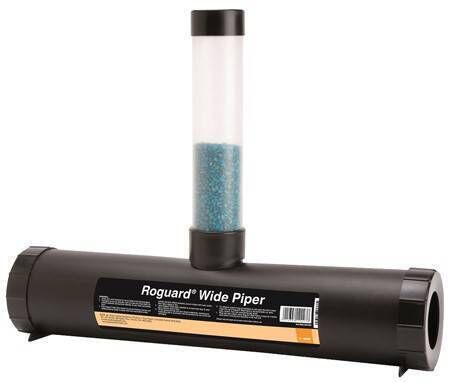
• Place bait in secure tamper-resistant baiting stations such as Roguard Rat Box or Roguard Wide Piper.
• Where blocks are used, secure in the bait box using the bars provided.
• Inspect bait stations regularly and replenish where necessary.
• Remove any dead or dying rodents and dispose of safely.
Never touch bait without gloves – It is unsafe and leads to bait shyness by rodents.
After 35 years of distributing Neosorexa in the Irish market, TP Whelehan has launched a new range of rodenticides for use by Irish farmers.
The RODIBROD range of rodenticides contains the potent active ingredient brodifacoum, which kills rats and mice with a single feed.
RODIBROD Wheat Bait is manufactured using Special Absorption Technology (SAT). This ensures that the active ingredient is evenly dispersed through the wheat grains. These grains also contain a luring component for higher palatability and uptake by rodents. RODIBROD Wheat Bait is effective even where there are large infestations.
RODIBROD Bait Blocks are manufactured using special extrusion technology to produce a block containing a low paraffin content for high palatability and long-lasting stability even in damp conditions. They have a hole to enable fixing in bait boxes such as the Roguard Rat Box.