Belief in the fairies was once deep-rooted in Ireland
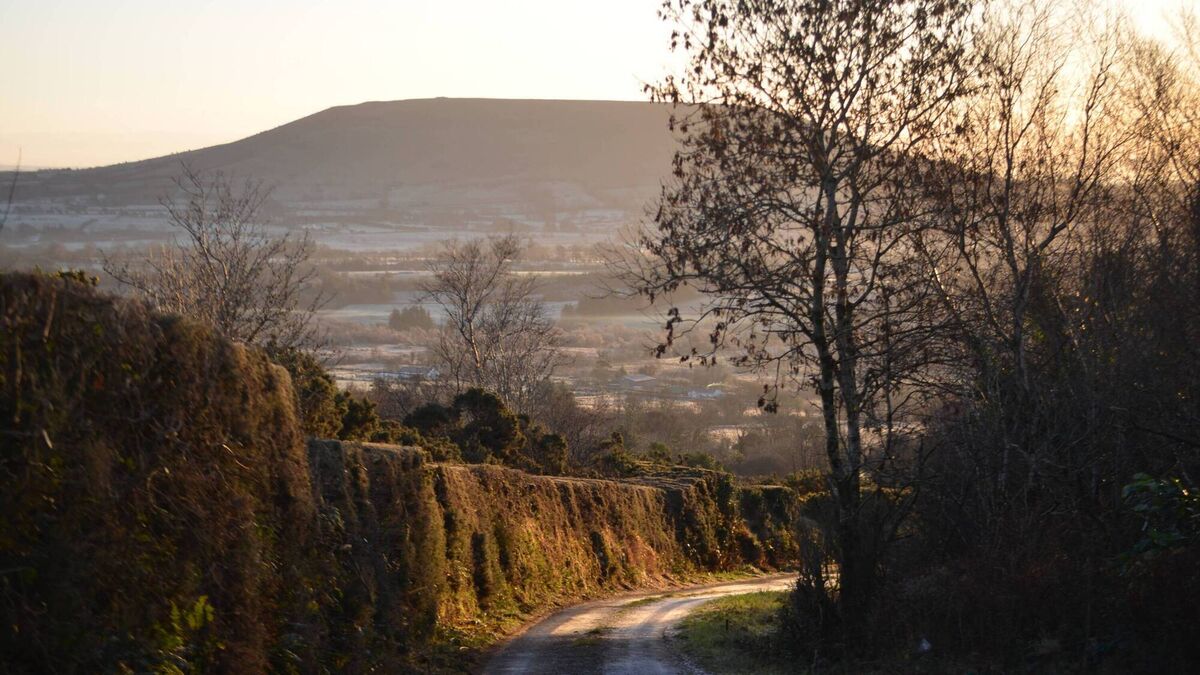
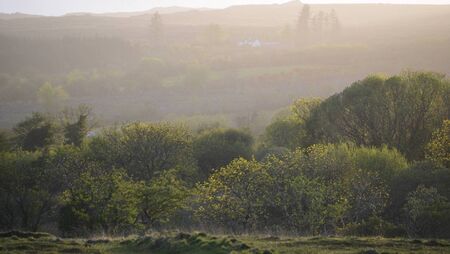
Knocknashee, the Hill of the Fairies in South Sligo. Picture: Pat McCarrick
In a recent contribution, I mentioned about the fascination that WB Yeats had with the world of the fairies. He lived in a time when many rural people still believed unreservedly in the presence and the power of the fairies.
A look back at these beliefs would appear to point to an ill-informed, more superstitious kind of people, but it is interesting to examine the phenomenon in a little more detail, in terms of origin and out of respect for the fairies themselves. And just to say from the start, what I will be referring to here are the thoroughbred Irish fairy, not leprechauns or modern-day hybrid pixies with wings.
So where did the idea of fairies come from and how did such a belief hold firm for so long? Most people with an interest in Irish mythology agree that our connection with the fairy race extends back to the very beginning of the Irish prehistory. It seems a succession of people arrived on the island of Ireland and depending of where one gets their information, and how they interpret it, this time period could extend back 30,000 years. Any disparity comes from the fact that this prehistoric information was retained in an oral tradition for thousands of years and was only finally written down after the arrival of Christianity and the literacy that accompanied it.
These new texts are the only record we now have of our ancient past. They are a mixed blessing; while they finally committed the genesis of our race to velum, they were also written by Christian writers with Christian beliefs. Notwithstanding all that, we are seldom spared the gory details and debauched behaviours of our ancient tribesmen. Indeed, many of the stories from Irish mythology have suffered more at the hands of recent interpretations, in an effort to make the sagas more palatable for modern audiences.
According to the mythological text (The Book of Invasions), the Tuatha Dé Danann were the fifth race to settle in Ireland, famously arriving in the west from the sky on a dark and cloudy day. That part of the story sounds plausible enough!
The Tuatha Dé Danann were seen by those who succeeded them – those who wrote their history - as a supernatural race. Their name is generally translated as "the people of the goddess Danu". They represent the pre-Christian pagan gods of Ireland, famed for their profound wisdom, mastery of magic and craftsmanship. However long the Tuatha Dé Danann lasted, they made an enormous impact on the island and its mythological history.
When the Tuatha Dé Dannan were eventually defeated by a succeeding race (the Milesians), they were not totally annihilated. It seems the Milesians had such admiration for the Tuatha Dé Danann that they couldn’t find it within themselves to totally destroy a race of people who were so talented, so magical. Seamus Mac Manus, in his book, , sets out what happened to them in the aftermath of their final battle with the Milesians.
The Tuatha Dé Danann retreated, in the aftermath of their banishment, into the sídhe, the magical, ancient burial mounds of Ireland. They remain associated with these historical monuments and landmarks; places like Brú na Bóinne in Meath or Knocknashee in Sligo, and have become the inspiration for the magical Aos Sídhe or Aos Sí, the fairies of later Irish folklore. An interesting online blog, Ireland’s Folklore and Traditions, explains how the tradition of the fairies, and belief in them, survived.
Dawn Rainbold, writing for , in an article, , illustrates belief in the fairies from the pre-Christian era right up to the present day. She explains that the people of Ireland associated anything vaguely pagan in origin as being related to the fairies, and in many people, the belief persists. Such were the rules attached to honouring the fairies, or engaging with them, that few indeed were brave enough to go against them.
Such beliefs have played a significant role in protecting our ancient monuments and landmarks. Because of this, Ireland has preserved more of these sites than any other country on earth. Today Ireland has more than 150,000 known archaeological monuments and recorded historic sites spanning 12,000 years of human settlement. In all of Britain, less than 20% of this total remains.
Whether one believes in the fairies or not, it is certain that many Irish people believe in the power of the fairies. Marion McGarry, writing for RTÉ’s Brainstorm, explains that getting on the wrong side of the fairies could adversely affect your luck, health, livestock, home or fortune.
I remember countless tales from my childhood, related to me by my parents, about the fairies and the respect they should be shown. The phrase 'respect for the fairies' has one key word: respect. Maybe, at certain times, it is no harm to make decisions outside of our own needs and desires. Try it, the fairies will thank you for it and you will be keeping alive a great tradition.