Almost half of all passengers have felt unsafe on public transport
Seán McCárthaigh
Almost half of all passengers claim they have felt unsafe at least once while using public transport, according to new research from the National Transport Authority.
The results of the NTA’s third annual report on how public transport users feel about their personal security report show 49% have experienced feeling unsafe when commuting.
Women, younger people and public transport users in Dublin were more likely to report feeling unsafe with drunk people, verbally aggressive passengers, harassment and drugs their main sources of concern.
The report also found that 46% of people believed anti-social behaviour was worse on buses, trains and trams during 2025 – an increase of 3 percentage points from the previous year.
Nevertheless, the NTA said the results of the survey of over 1,500 adults were “generally positive,” although it acknowledged that the perceptions of safety on Luas trams were noticeably lower than on bus and rail services.
Similar findings emerged in a separate customer satisfaction survey of over 6,000 commuters carried out by the NTA last year.
The NTA said the probable cause of the discrepancy was the nature of Luas trans being more open systems than buses which have “a more visible driver presence.”
Approximately 9 out of 10 passengers said they felt very safe using public transport in the very early morning and commuter periods but the figure drops to 7 in 10 for journeys in the late evening and nighttime.
Luas, Dublin Bus and DART services were seen as particularly unsafe after dark.
The report highlights how commuters regard anti-social behaviour on public transport as common with inconsiderate behaviour the most frequently reported type of conduct.
The proportion of passengers who witnessed verbal anti-social behaviour last year was unchanged at 55%.
Reports of witnessing physical threats to others decreased slightly from 41% in 2024 to 39% last year.
Members of the public, particularly older people, favour a more visible Garda presence on public transport and at stops as the best way to improve safety, ahead of increased security staff, stronger sanctions and improved surveillance.
The NTA said it was important that customers feel safe when using public transport services throughout Ireland but it acknowledged that anti-social behaviour was an issue that requires “ongoing attention.”
“Anti-social behaviour is as much a problem on public transport as it is within society as a whole, and tackling it is a greater priority than ever before,” said a NTA spokesperson.
The NTA said the report’s findings would be used to “identify areas for improvement in the short, medium and long term subject to availability of the appropriate budget and resources.”
On the issue of dedicated transport police, which was a commitment in the Programme for Government, the NTA spokesperson said it was working with the Department of Transport on “developing a well-considered and informed approach to identifying the most suitable model for the Transport Security Force” and the associated legislation that would be necessary to establish it.
The NTA has also approved continuing a pilot security project for Dublin Bus until the end of 2027.
It said transport operators were also examining the potential for the rollout of resilience training for all frontline staff.
The report noted that negative perceptions about issues like safety and anti-social behaviour were more pronounced among non-users of public transport.
It highlighted how 65% of people who never use public transport said anti-social behaviour put them off using services compared to 53% of regular users.
Figures published earlier this summer show the overall number of reported incidents of anti-social behaviour on public transport collated by the NTA last year fell by 11% to 6,378 – an annual decrease of 781.
However, the number of incidents of aggressive behaviour was up 14% to 1,370, while physical assaults on passengers rose by 35% to 241.
Recorded incidents of fighting and passenger disturbances were also up 21% to 432.
The vast majority of incidents were logged by transport staff.
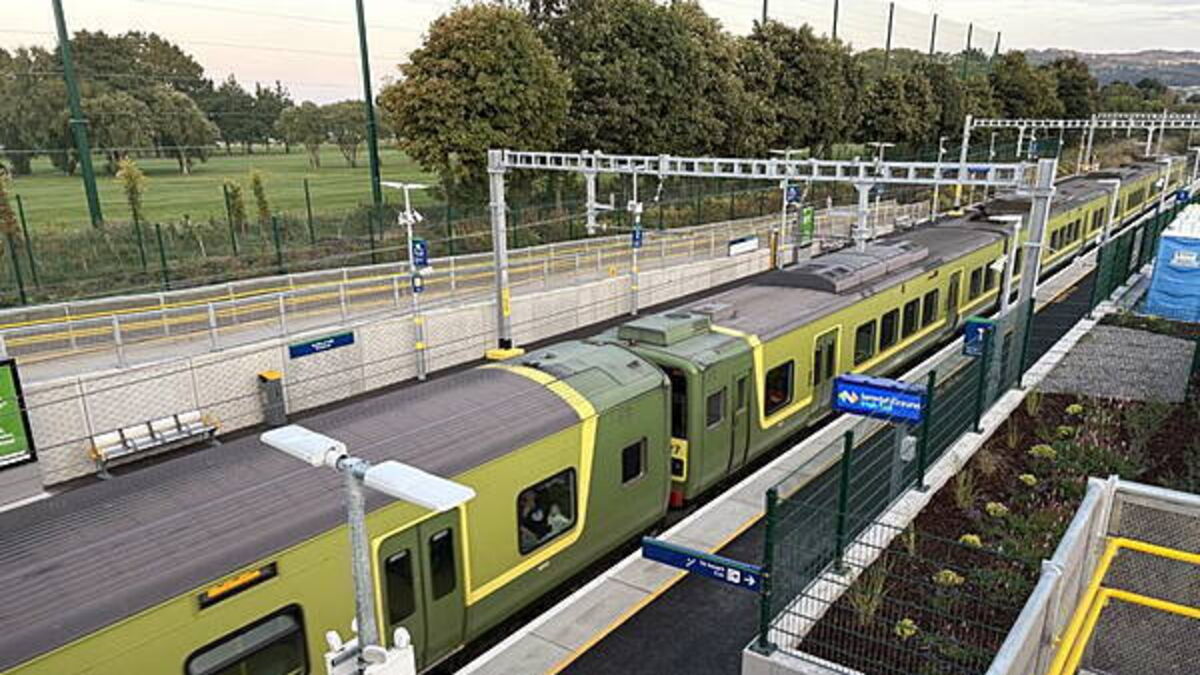
The figures show the highest rate of anti-social behaviour is on Iarnród Éireann services, including DART trains, with 5.76 incidents per 100,000 passenger journeys – over three times the average rate of 1.8 incidents across all public transport services.
Luas was the only other transport provider with above-average anti-social behaviour rates at 2.06 per 100,000 journeys, while Dublin Bus had the lowest rate at 0.64.
The latest figures show there are over one million journeys on average each weekday on the Transport for Ireland network with numbers expected to grow further with the BusConnects programme and upgrades to rail services.