Albanian teen jailed after landing in Dublin without passport
Tom Tuite
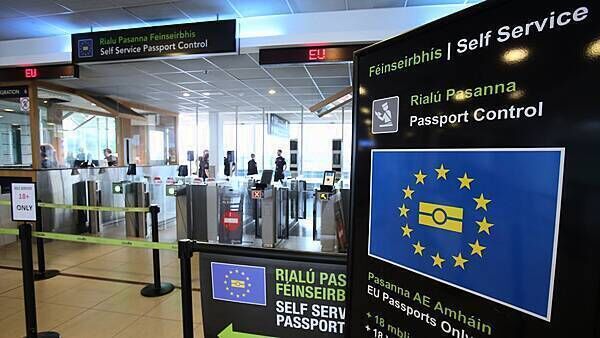
A young Albanian man arrived at Dublin Airport without a passport, claiming to be under threat from criminals, a court has heard.
Amarildo Coku, 18, who has no address in or ties to Ireland, was arrested during what Judge Alan Mitchell termed "Operation Fáilte" and has been in custody on remand since October 21st.
"He could not have got on a plane without producing some document; there was no document available when he arrived in Ireland", the judge said.
He pleaded guilty on Wednesday at Cloverhill District Court to charges under sections 11 and 12 of the Immigration Act. The laws require a non-national arriving in the country to produce a passport or identity card on October 20th.
He pleaded guilty and was handed a back-dated two-month sentence, meaning that with remission, he is expected to be released forthwith.
Court Garda Sergeant Olwyn Murphy told the court that the young man flew into Dublin Airport and, when he met authorities, claimed he had no passport or travel documents. He was referred to the Garda National Immigration Bureau, charged and remanded in custody.
"This is an offence under what is called Operation Fáilte," remarked Judge Mitchell, whose court deals with many immigration prosecutions, which carry 12-month sentences.
Speaking via an interpreter, Coku said he was uncomfortable and stressed in custody.
Pleading for leniency, his solicitor Mervyn Harnett said his client came to Ireland because he was under threat from a criminal organisation.
Judge Mitchell stated that Coku must have passed through several European nations and that Albania was deemed a safe country.
He added that he took a serious view of people coming into the country without documents. He noted the guilty plea, recorded a conviction and imposed a sentence as a deterrent, with one charge taken into consideration.