‘Underestimation and denial by some’ of extent of racism in Northern Ireland
By Rebecca Black, Press Association
There is an underestimation, and denial by some, of the extent of racism in Northern Ireland, a Stormont committee has heard.
It comes after police figures indicated that 2025 saw the highest numbers of racist incidents in the region since records began in 2004.
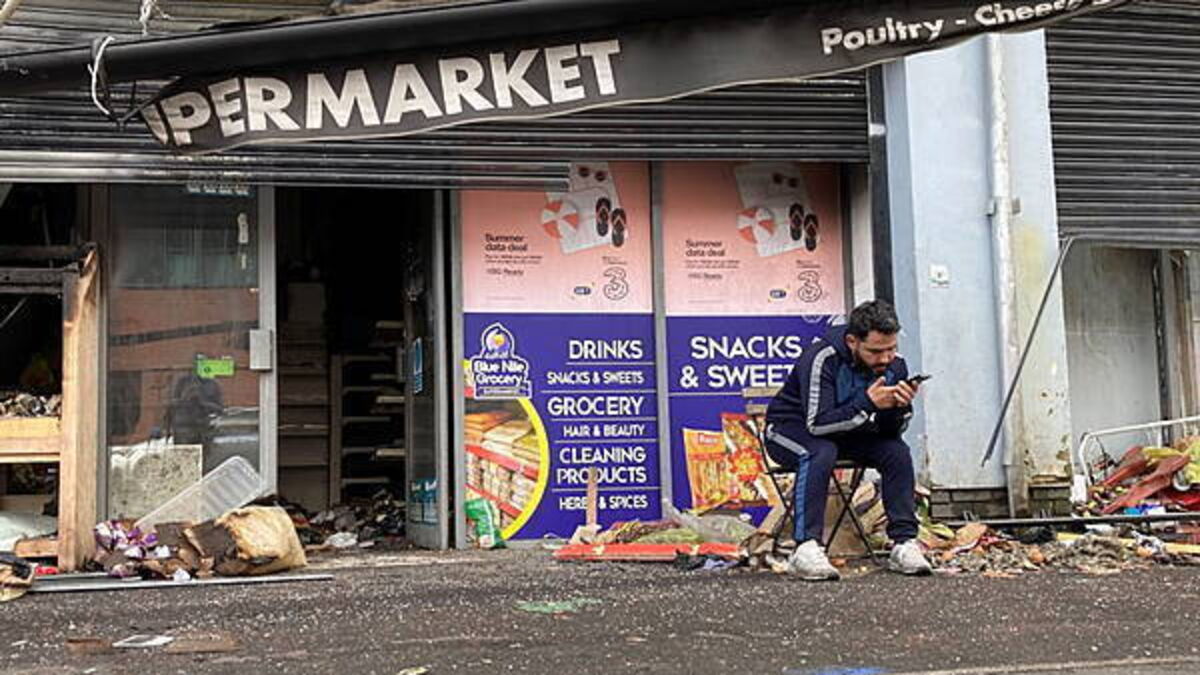
The year saw 2,048 racist incidents and 1,280 race hate crimes in a year which saw significant race-related disorder in Ballymena, Co Antrim.
On Wednesday, the Executive Office scrutiny committee heard views that the proposed race relations strategy and delivery plan does not do enough.

Fidelma Fearon of Minority and Ethnic Support in Armagh told MLAs that addressing issues must start with an “honest acknowledgement”.
“There is a concern from the people that I have talked to that Northern Ireland continues to underestimate and at time deny the true extent and impact of racism experienced by the minority ethnic communities,” she told MLAs.
“Any credible framework must begin with an honest acknowledgement of the state of the issue and the urgent need for systematic action.”
She said the Draft Framework Race Relations and Delivery Plan 2026-2028 does not address the harm already inflicted.
“There is a concern that the draft framework for race relations does not adequately address restorative or reparative justice for minority ethnic communities who have experienced racism, exclusion, intimidation and systematic inequality over years,” she told MLAs.
“While the framework focuses on relationship building and cohesion, it does little to acknowledge or repair the harm already experienced by affected communities.”
She also criticised “broad and insufficiently defined” outcomes and an absence of clear targets.
“There is significant concern also regarding the continued absence of modern and robust race equality and hate crime legislation in Northern Ireland, existing legislative protections and policy approaches are widely viewed as outdated and insufficient to address the realities of modern racism, online hate discrimination and community intimidation experienced by the minority ethnic communities today,” she said.
“They feel government has a duty to not just to promote good relations but to actively intervene where racism and discrimination and inequality persist, a stronger and a more urgent response is required.”
Liz Griffith of the Law Centre (NI) questioned the use of terminology.
“The concept of racial equality has a meaning in international law, a really clear meaning that puts precise legal obligations on states and government departments, and in contrast the concept race relations doesn’t bring that same clarity,” she said.
“We would say that this document needs reconfigured and it needs to be a racial equality strategy.”
She also questioned the “silence” on the relationship between racial equality and emigration.
“We would also think that the department needs to grapple with the links between anti-immigration movements, the far right and racist violence,” she said.
“It has really shied away from all of these issues.”
Lili Wu, managing director of the Chinese Welfare Association, raised concern at the levels of race hate crime, and also warned that some incidents are not reported to police due to factors such as language barriers and a lack of awareness on how to report as well as low confidence in existing systems.
She said they have received reports of harassment and discrimination in daily life, and that some Chinese children are subjected to racist bullying at school.
“These experiences can have a serious impact on children’s confidence, well being, sense of belonging and educational experience,” she told MLAs.
“So we believe there is a continuing need for stronger anti-racism education, intervention and culturally inclusive approaches in schools and educational settings.”
She said more should be done to improve public trust in the hate crime reporting process, as well as stronger anti-racism education, public awareness campaigns and initiatives to promote understanding, respect and social cohesion.