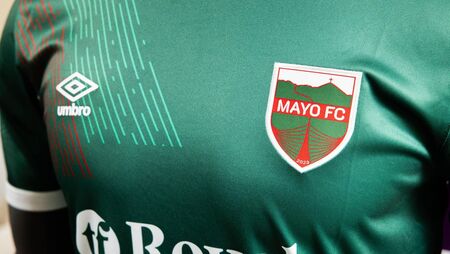
Mayo FC’s real test is survival, not arrival
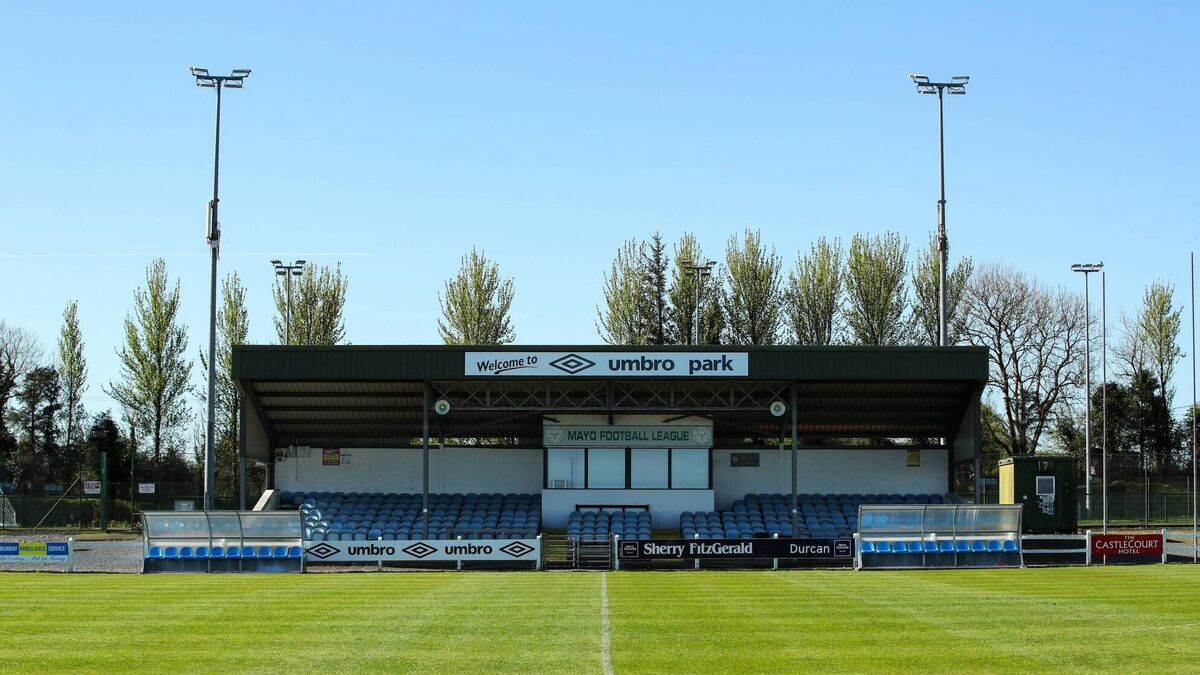
The announcement of Mayo FC being accepted into League of Ireland football appears imminent, but the hard work will only be just beginning. Picture: Michael P Ryan/Sportsfile
League of Ireland history is littered with the bones of good intentions, clubs that launched with fanfare and sank before anyone found the lifeboats.
Kildare County. Kilkenny City. Sporting Fingal. Monaghan United. And they’re just the recent examples.
Each of them promised a new era of regional pride and a new kind of professionalism for their respective areas. Some of them even flirted with success - brief European sorties, televised cup wins, exciting academy systems. But in the end, they all hit the same reef.
And now, from the West, comes another ship - steady on the water, trimmed with hope and charting a course few have survived but many still dream of.
Mayo FC looks set to be confirmed - though it has yet to be officially announced - as a new entrant to the League of Ireland’s new third tier in a historic first for the county. And the official announcement will come with congratulations, optimism and a sense that an obvious gap has finally been filled. But once the bunting drops, the real voyage begins.
Entry into the league isn’t a reward - it’s an invitation to struggle. Clubs have come before with more resources, bigger crowds and slicker marketing. And yet, it made no difference. Kildare County appeared to be well-run until the moment they couldn’t pay their players. Sporting Fingal won a cup, played in Europe and then vanished inside a year. Kilkenny City struggled to build the momentum needed to build real support. And Monaghan United folded mid-season.
Each of them arrived into the league with hope, until suddenly they were gone.
This is not to cast doom on Mayo FC. Far from it. But those behind the club need to be clear-eyed about the challenge that lies ahead. The League of Ireland is not a sentimental place. It does not reward romance. It is a league that punishes the unprepared, the overextended and the unlucky. Romance only lasts until the third away game and the first bounced cheque. And for a brand new club with no existing fanbase yet, the challenge ahead is seismic.
The league remains a precarious ecosystem, where success is rarely structural and failure is rarely surprising. Clubs operate on shoestring budgets and part-time structures. Media coverage flickers in and out like a bad reception. Sponsorships are thin. Infrastructure, outside of a handful of clubs, is often fairly flimsy.
For regional clubs, the challenge is even sharper. They tend to have pride in abundance. And they often have the people. But what they lack is the institutional muscle that can turn enthusiasm into stability. There’s a reason not many clubs outside the major cities have endured - the system is not built to carry them.
But a third tier should help. That’s the theory, anyway. It will provide more clubs with a gentler entry point into the unforgiving world of domestic football. But the league’s pyramid remains more wishbone than scaffold - you can climb it, but it can always snap while you’re halfway up.
And for Mayo FC, the early years will be the most difficult. That’s not conjecture; it’s precedent. Financial strain, volunteer fatigue, the slow grind of building a fanbase from scratch. Some will come early and often, but will they stay? It can take three years to build a following only for most of it to be lost again on a bad Friday night.
Mistakes will be made. Some weeks the wind will blow colder than expected. But in Irish football, staying alive through that first storm is its own kind of statement. For if Mayo FC can weather what’s coming, surviving the lulls just as well as they ride the highs, then they’ll start to build an institution that can last. That's the mission.
And there are reasons to believe that the new club can be a success.
Mayo FC aren’t parachuting into a vacuum. The county has long been sending players into the League of Ireland. There’s a tradition in Mayo, even if it’s never been gathered under a single crest. There's a quiet and obvious and persistent thread of football culture that has run parallel to the county’s GAA heartbeat. That’s undeniable.
And now, finally, there’s a chance to gather those threads under one roof.
The timing helps, too. Mayo FC aren’t joining a settled league from the outside. They’re arriving at the start of something, a brand new third tier, built to give clubs a foothold rather than a cliff face. They’ve secured their place outright through planning and persistence.
There’s no weight of expectation and no demands for instant glory. What they have is time - to build a club slowly, to root it in the community, to grow into the fabric of the place. And if they do that, then they’ll give themselves something most clubs never find - a fighting chance.
It’s not official yet, of course. The letters haven’t landed and the ink is still drying somewhere in Abbotstown. But by all accounts, Mayo FC is in. And when the announcement comes - as it surely will very shortly - it will be met with the kind of cautious celebration that only those involved in Irish football understands.
For now, to be included is a fine achievement.
But very soon the sense of expectation will rise. Fixtures will be drawn. Deadlines will arrive. Bills will be due. The club will face questions it hasn’t yet had to answer: Who are you? What do you stand for? Can you survive the silence between the heaving crowds?
This is the moment where so many clubs have wobbled. When the early adrenaline runs out and the long-term work begins. When good intentions meet unpaid invoices. And yet, if Mayo FC can ride out that opening squall, and remain standing after enduring those awkward early years, then something real might start to take shape.
They haven’t crossed the start line yet. But they’re at the water’s edge, with the hull nearly built and the tide starting to pull.
Alas, in the domestic league, setting sail is the easy part. Actually going somewhere is another matter entirely.