Could your business survive being closed for three months?
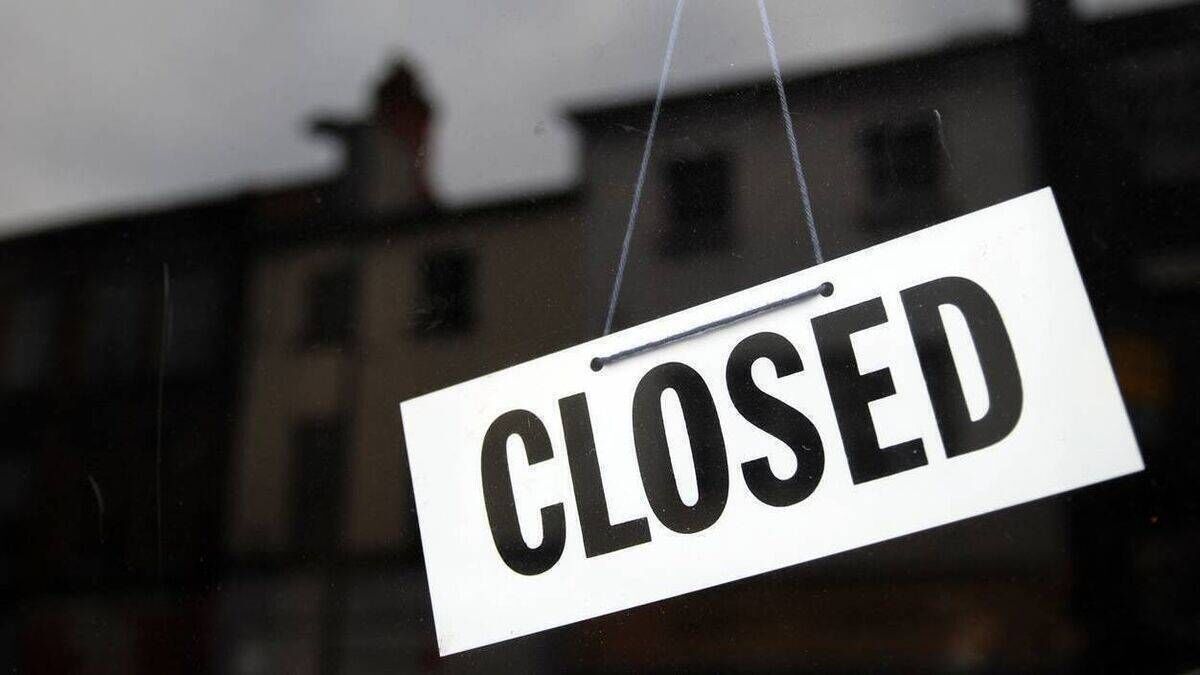
The iconic public house has closed its doors
That is exactly what happened to Tom. He runs a busy hardware shop on the main street of a Mayo town, a business his father started over forty years ago. One wet Sunday night in November, a fault in an electrical panel at the back of the shop started a fire.
Nobody was hurt, thankfully, but by Monday morning the stockroom was badly damaged and the whole shop was full of smoke.
Tom’s first thought was the building. Who would pay to fix the damage? He had property insurance, so he knew the repairs and the damaged stock should be looked after, subject to the terms of his policy.
But within a week, a different question was keeping him awake at night. What happens to the business while the repairs are going on?
Tom still had four staff he wanted to keep. He still had a loan repayment on the van, rates, phone and software bills, and the accountant. Meanwhile his takings had dropped to almost nothing, and some of his regular customers had started driving to the next town.
This is where business interruption insurance comes in. Property insurance deals with insured physical damage. Business interruption cover is designed to help protect the financial position of the business after an insured event, for example loss of gross profit and some of the extra costs of keeping going, subject to the terms and limits of the policy.
Many business owners see business interruption on their schedule and assume they are fully protected. Two things matter a great deal.
The first is the sum insured. It needs to reflect the business as it is today, not as it was when the policy was first set up.
The second, and often overlooked, is the indemnity period. This is the maximum length of time the policy will respond to the loss of income. If the indemnity period is twelve months but it takes eighteen months to get fully back on your feet, the last six months may fall outside the cover.
In Tom’s case, the loss adjuster had to inspect, the insurer had to agree the scope of works, a builder had to be found, the electrics had to be redone and new shelving and stock had to be ordered. Then he had to win back the customers who had gone elsewhere. The doors reopened after about five months, but trade took longer again to return to normal.
Every business is different. A small office may be up and running elsewhere within weeks. A hotel, a manufacturer or a business relying on specialist equipment could take a year or more.
If something happened tonight, how long would it realistically take your business to fully recover? Three months? Six months? A year? Longer?
Business insurance should not simply be renewed automatically each year. Look at your business interruption sum insured and your indemnity period, and think honestly about how long recovery would take.
Good insurance is about more than replacing what has been damaged. It is about helping a business get back on its feet.