School bus drivers accused of colluding to 'load the dice' on pricing, court hears
Ryan Dunne
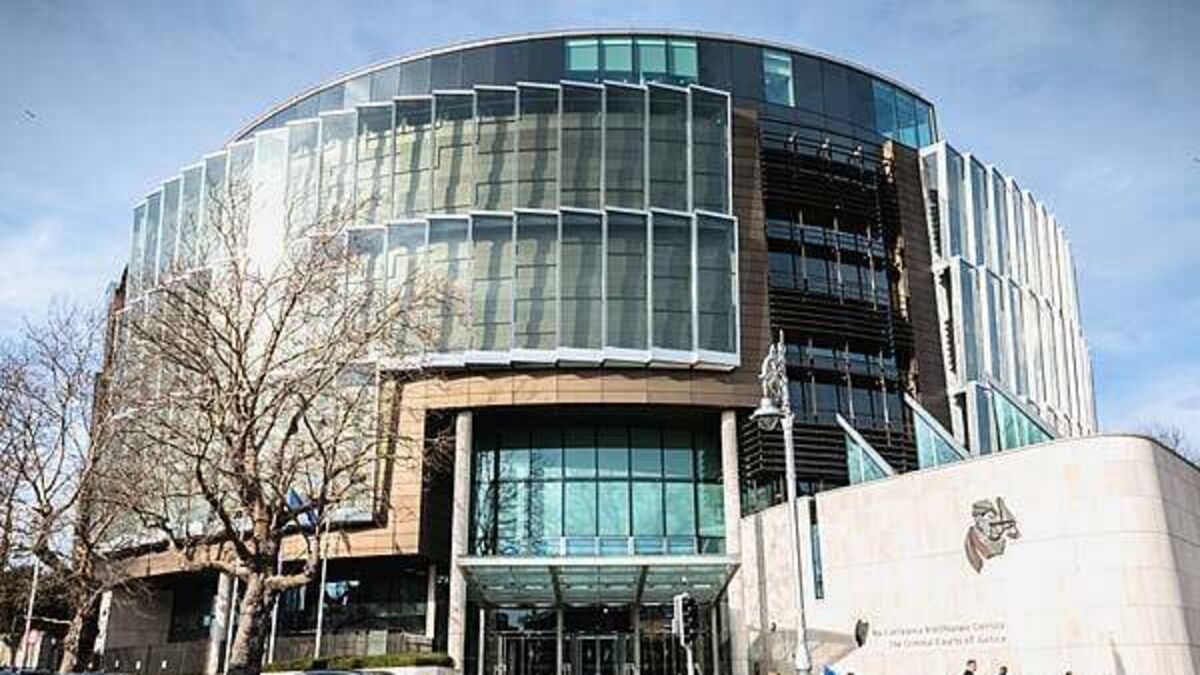
Five school bus operators attempted to “load the dice” to distort competition in the market and drive tender prices higher, a prosecution barrister has told a Central Criminal Court jury.
“You cannot go into a tender process and discuss who was bidding for what and how much they were bidding,” said counsel for the prosecution, Dominic McGinn SC, in the trial of five Tipperary men being prosecuted by the Competition Authority for alleged offences relating to the provision of school transport services across five counties.
The accused are Andrew Walsh (62) of Derrymore, Roscrea; Raymond Heney (54) of Camas, Cashel; Noel Browne (77) of Bansha; Larry Hickey (73) of Ardmayle, Cashel and Anthony Flynn (51) of Golden Road, Cashel.
All five have pleaded not guilty to offences under the Competition Act 2002.
The single charge against each accused alleges that between November 1st, 2014, and December 31st, 2016, they engaged in a concerted practice which had as its object or effect the prevention, restriction or distortion of competition in trade in the provision of school transport services.
The trial has heard that all of the accused were involved in the process of bidding for tenders to provide school bus routes, and it is alleged that there was a collusion between them.
The jury has heard that one of the accused would arrange to hold meetings in order to provide services and assistance in dealing with administrative processes.
He said the man would invite other bus operators and they would allegedly discuss the allocation and pricing of the school bus routes.
It is the prosecution's case that the people involved would only bid on tenders in a certain way, rather than doing so independently.
It is alleged that there was a “degree of coordination” between the parties so that prices would end up higher.
In his closing speech on Wednesday, Mr McGinn told the jury that this was not the usual criminal case as it was “a bit commercially involved”.
He said that competition law exists to protect anyone who is a consumer, anyone who gets value for money, to ensure people cannot manipulate the market.
He said if certain parties come together and agree not to charge the customer less than a certain amount, there is no benefit to the consumer, and this is an example of price fixing.
Mr McGinn said that "market sharing", where it is agreed among the parties to allocate an area to an individual so there is actually only one provider, is also not allowed.
“Any manipulation of that or distortion of that is unfair to us,” he said.
Counsel said that the five accused were involved in that process by getting together to try to “distort the market”. As this is public money, Mr McGinn said that the people being affected were the taxpayers.
He said that this concerted practice was not a formal agreement but collusion between them that involved an exchange of information and a form of coordination that led to “the disappearance of competition”.
Mr McGinn said that this case was not about how important it is for the children of Tipperary to get a bus to school, nor was it relevant that the accused men are approaching retirement and are alleged to have committed this offence in the latter part of their professional lives.
He said that the five accused at least, and perhaps others, were attempting to “load the dice” to distort the competition.
The trial continues on Thursday before Mr Justice David Keane and the jury of seven men and four women.