‘Picture inconsistent’ on paramilitary involvement in Belfast stabbing riots
By Gráinne Ní Aodha, Press Association
The disorder that followed a stabbing in Belfast was co-ordinated “primarily” online by a mix of different figures, senior police officers have said.
Although loyalist paramilitary figures were at some sites of disorder and involved in “directing” people, including in east Belfast, officers said the wider picture of paramilitary involvement was “inconsistent”.
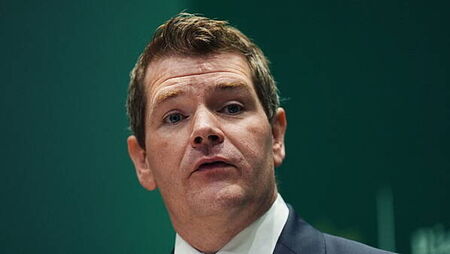
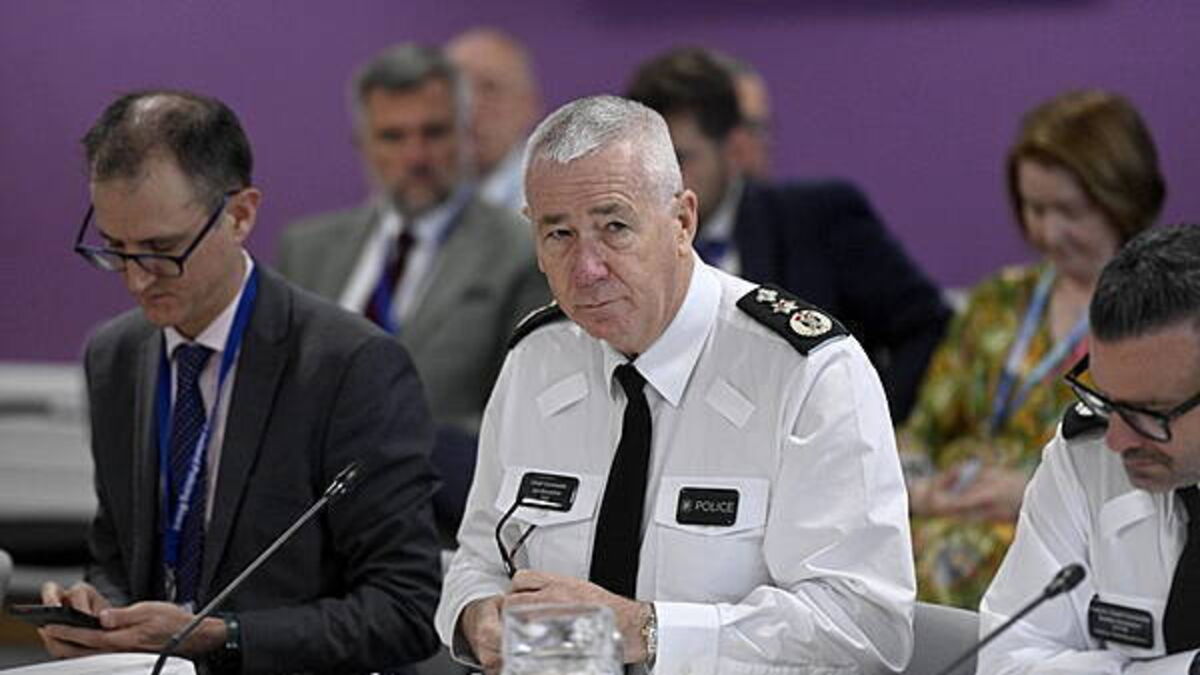
PSNI chief constable Jon Boutcher said co-ordination of the disorder was “primarily driven online” by both loyalist and republican figures, and from beyond Northern Ireland.
Violence flared in several areas in Northern Ireland in early June after a graphic video clip emerged of a man being stabbed in north Belfast.
There are indications that after the first night, some paramilitary groups tried to dissuade their members from becoming involved in further disorder whilst others did not
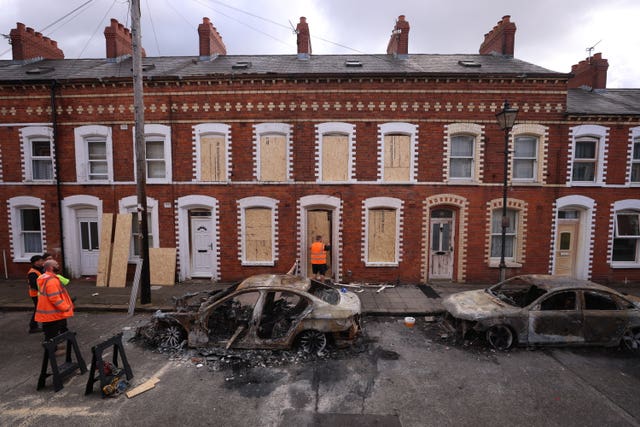
Masked mobs set fire to homes, cars and a bus, and people were targeted based on their race, including healthcare workers subjected to threats and intimidation.
Boutcher told the Northern Ireland Policing Board on Thursday that “the picture is inconsistent” in relation to paramilitary involvement.
“It was clear that members of loyalist paramilitary groups were present at some disorder and were involved in directing the violence in a number of locations, including in east Belfast,” he said.
He added: “There are indications that after the first night, some paramilitary groups tried to dissuade their members from becoming involved in further disorder whilst others did not.
“Co-ordination of the disorder was primarily driven online by individuals from different communities, both loyalist and republican, from across Northern Ireland and beyond.
“People travelled across Northern Ireland, Great Britain and Ireland in order to engage in protest and disorder.”
Sinn Féin MLA Gerry Kelly said stating that there was no evidence of paramilitary involvement “looked absolutely naive” and that he was “worried” there was a reluctance to call out paramilitaries.
Boutcher replied: “There’s no statement from me to say ‘there’s no evidence’. What I said is ‘it’s too early to know, too early to say, we’re investigating this’.
“I explained in my earlier remarks that anything that we find with regards to anybody involved in these awful crimes who are connected in any way with paramilitary groups, we will describe that. We are not going to shy away from it.
“I’ve described that people from both republican and loyalist communities were calling for this to happen online, so this is a societal challenge.
“We need to do some real, really sort of careful work to understand how we stop this in the future, otherwise it will happen again and again, and we’ve got to make sure that we approach this collectively, and we will call it out.”
Assistant Chief Constable Ryan Henderson also spoke about reports that healthcare workers were advised by police officers to show ID to protesters to get past to their hospital shift.
He said two officers attended a significant, peaceful protest at the junction at Carlisle Circus in north Belfast.
He said they engaged with them and then left the area to carry out other duties, including diverting traffic
“When they got back to it, they were approached by some healthcare workers who were saying ‘we need to get to the hospital, it’s changeover time’, and the officer then went and spoke to the crowd and said ‘people need to get through here to the hospital’.
“They were told ‘yes, healthcare workers can get through no problem’, so they then went back and spoke to the healthcare workers and said ‘you’ll get through there OK’.
“One of the healthcare colleagues said to one of them, ‘do I have to show my pass, would that be okay’, and they went, ‘you’ll get through there OK’, and, by and large, that’s what happened.”
Boutcher said 49 officers were injured during the riots, including an inspector in a local policing team who was taken to hospital for smoke inhalation and facial burns from a petrol bomb, and a number of officers who received concussions.
He apologised to those who called the police but, because of resource restraints, did not receive a response.
“For people who called us during this disorder and we did not have the resources to reach you: I am truly sorry, but we have no option other than to prioritise the saving of lives.”
Boutcher said for the third year he had to request assistance from another jurisdiction.
“I cannot envisage another police service in the United Kingdom being put in this position, required to deal with such repeated violent disorder and wider post-conflict policing challenges, and yet over years to be stripped of its police officer numbers,” he said.
He said 35 arrests have been made so far relating to the disorder and that anyone who was involved “can look forward to an early-morning knock at the door”.
“Most of those involved in the violence came prepared to riot. They were masked and dressed in black, and warned those with cameras to stay away in efforts to hinder our investigation. Such actions will not succeed.”