Over 600 gardaí injured in line of duty in 2025
Seán McCárthaigh
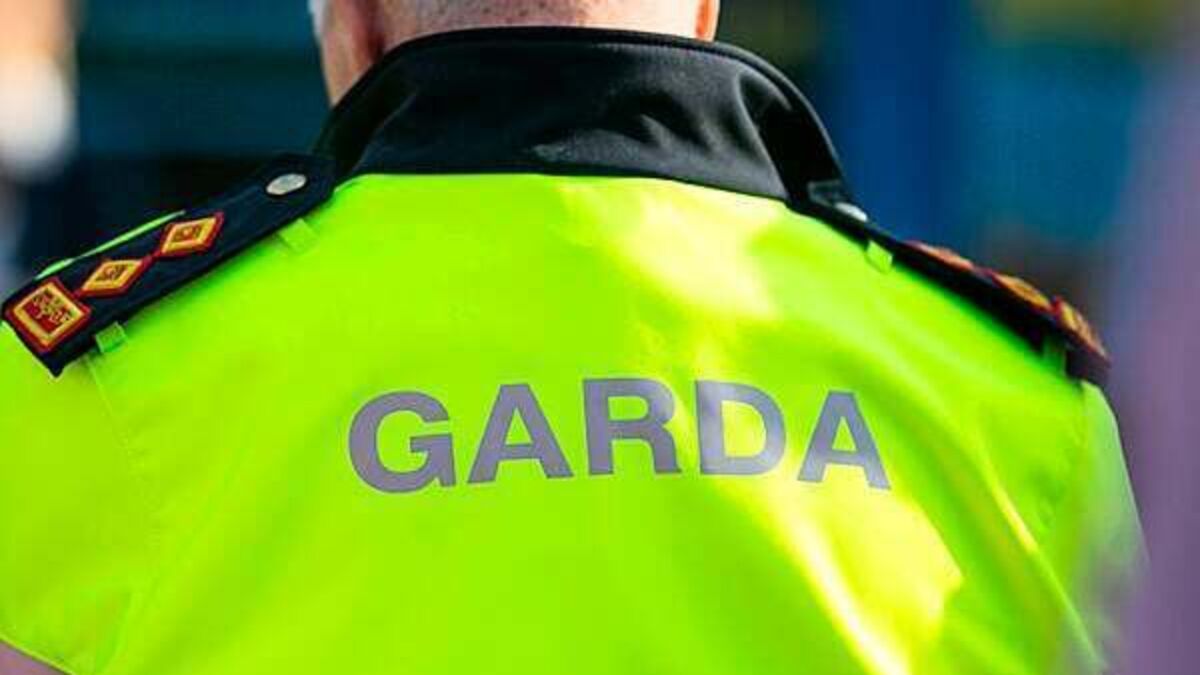
More than 600 gardaí were injured in the line of duty last year, with more than half sustaining an injury as a result of an assault.
New figures released under freedom of information legislation show the number of gardaí injured at work during 2025 rose by 11 per cent compared to the previous year.
A total of 616 officers were recorded reporting some form of work-related injury last year – up from 555 in 2024.
The figures include 344 gardaí who sustained injuries as the result of an assault – 56 per cent of all injuries incurred in the line of duty.
Among high-profile incidents in which gardaí were assaulted during the year were riots outside the Citywest complex in Saggart, Co Dublin in October, when officers were attacked by protestors over the alleged sexual assault on a child by an international protection applicant, as well as three separate incidents over a weekend in Dungarvan, Co Waterford in the same month when seven gardaí were injured.
The second most common source of injury for gardaí in 2025, after assault, was injuries was slips, trips and/or falls, which resulted in injuries to 87 officers, followed by road traffic collision,s which injured 78 gardaí.
The figures show 41 gardaí suffered injuries like sprains or broken bones as a result of what is classified as “body movement”, while 17 gardaí were injured from some form of contact with an animal, including dog bites.
Another 24 were injured from contact with something either sharp, rough or pointed, and another 10 suffered either a needle stick injury, a stab wound or exposure to a body fluid.
The figures also reveal that 16 gardaí sustained injuries while based at the Garda College in Templemore, Co Tipperary, with approximately two-thirds of incidents at the training facility associated with slips, trips or falls.
Another 15 injuries were reported among staff working at Garda HQ in Phoenix Park in Dublin.
A total of eight members of the Garda Special Tactics and Operations Command were injured during 2025 including three who were assaulted.
The overall level of injuries equates to around four per cent of the 14,200-plus available force suffering some type of harm in the course of their work in 2025 – or one in every 25 gardaí.
However, the rate can vary significantly around the country with seven per cent of gardaí in three Garda divisions – Galway, Kerry and Wexford/Wicklow – being injured at work last year.
The most number of gardaí injured in the line of duty in any of the 21 Garda divisions last year was in Galway, with 43 out of a total workforce of 616, including 36 members who were assaulted.
In contrast, the injury rate was as low as two per cent in the Dublin East region, which covers areas including Blackrock, Dún Laoghaire and Dundrum, where just seven out of 377 gardaí reported a work-related injury.
The Kerry division with a smaller workforce of 348 recorded more than three times that number, with 25 officers being injured on duty – although the figure was a decrease on the 41 gardaí injured in Kerry in 2024.
On taking up his appointment last September, the Garda Commissioner Justin Kelly said the safety of gardaí was “of utmost importance and concern” for An Garda Síochána.
Mr Kelly subsequently authorised the introduction of tasers for frontline gardaí on a pilot basis, while the wearing of body cameras is to be rolled out nationwide among frontline staff too as measures aimed at reducing the level of injuries to gardaí.
In November 2023, the government increased the maximum sentence for assaulting or threatening to assault a Garda or any other on-duty emergency worker from seven to 12 years.