Mayo Gaeltacht is 'under threat' due to housing crisis
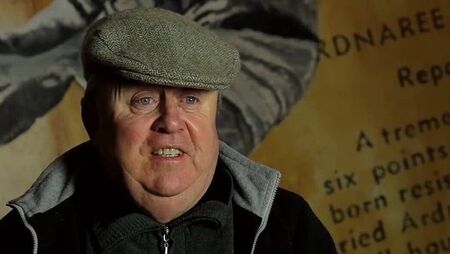
Cllr Michael Kilcoyne said there were huge problems getting planning permission for homes in Gaeltacht areas.
The Irish language is under threat because Irish speakers are unable to secure housing in Gaeltacht areas, according to an official with Mayo County Council.
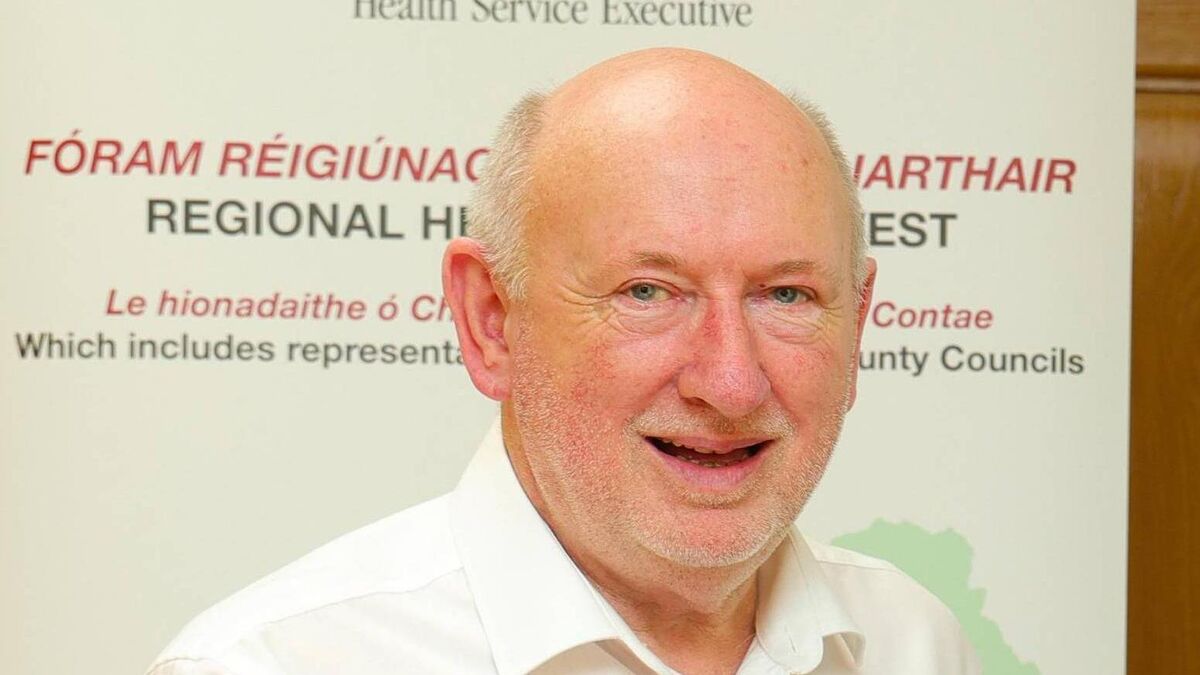
Colm Cafferkey, who was appointed Gaeltacht Vacant Homes Coordinator last September, addressed members of the council's Housing Strategic Policy Committee (SPC) last week.
"Housing is the single biggest threat to the Irish language as a living language because English is moving in," Mr Cafferkey remarked.
He explained that there are 6,098 vacant homes and 9,510 holiday homes in Gaeltacht areas in Ireland. In the three Mayo Gaeltacht areas of Achill, Tourmakeady and Erris, there are 847 empty houses and 1,324 holiday homes. Fewer than 100 Vacant Home Refurbishment Grants have been applied for within the Mayo Gaeltacht.
Mr Cafferkey's role is funded by Údarás na Gaeltachta and applies to a total of eight local authorities with Gaeltacht areas. He told the SPC that a pilot partnership with an approved housing body “to designate houses for Irish speakers at affordable rents” is one scheme set to be trialed in Mayo, following a similar scheme in Donegal.
“We hope to secure five or six of these houses in Gaeltacht areas," he said.
Central to his work is encouraging property owners to bring vacant homes back into use.
"There are hundreds and thousands of empty homes in the Gaeltacht where owners might even be living in other countries, so we are reaching out to them as well as looking to attract Irish speakers to live in the Gaeltacht, ultimately with a view to allowing these areas to thrive.”
The compulsory purchase order activation programme that falls within the council’s vacant homes unit remit has delivered some success, Mr Cafferkey noted, saying many homes had been fixed up or put on sale as a result. However, many were tied up with probate or legal disputes and no incentives or grants are available for homeowners to take on Irish speakers as tenants. A further issue, he stated, is apathy, “where homeowners just don’t care, but we try to get them to care".
While the presentation was warmly welcomed by the SPC, a number of points were raised by members, with Cllr Michael Kilcoyne stating that in the Gaeltacht area of Tourmakeady he was aware of difficulties in obtaining planning permission, adding: “Unless this is sorted there will be nobody living there."
Cllr Neil Cruise agreed, adding: “We are the most regulated county in the country with regard to SACs and NHAs etc. We have the highest number of these special designated areas and that is killing us in terms of planning permission.”
Cllr Harry Barrett questioned the concept of Údarás na Gaeltachta getting involved in housing dereliction and vacancy, stating: “I think it is the government that has to act more on this, especially when these sensitive areas are losing population. But the Údarás should not be involving itself at all in these issues, that should be our competency. Instead it should spend more time encouraging young couples to live in the Gaeltacht.”
Director of Services Tom Gilligan commented that with the high level of vacant homes in Gaeltacht areas, the work of the Gaeltacht Vacant Homes Coordinator is to be welcomed, adding: “It will help to create economic and employment and Irish language rejuvenation opportunities to help family members relocate, so I think it is a win-win for everybody.”
SPC Cathaoirleach Cllr Peter Flynn concluded that it would be worthwhile to have an update on the situation in a year’s time and requested that the vacant homes unit in the council deliver a presentation to the next SPC meeting “to show what we are doing for the wider population as the Gaeltacht is only a tiny portion of the population". This was agreed by members.
- Published as part of the Local Democracy Reporting Scheme.