Ballina woman shares her story for World MS Day
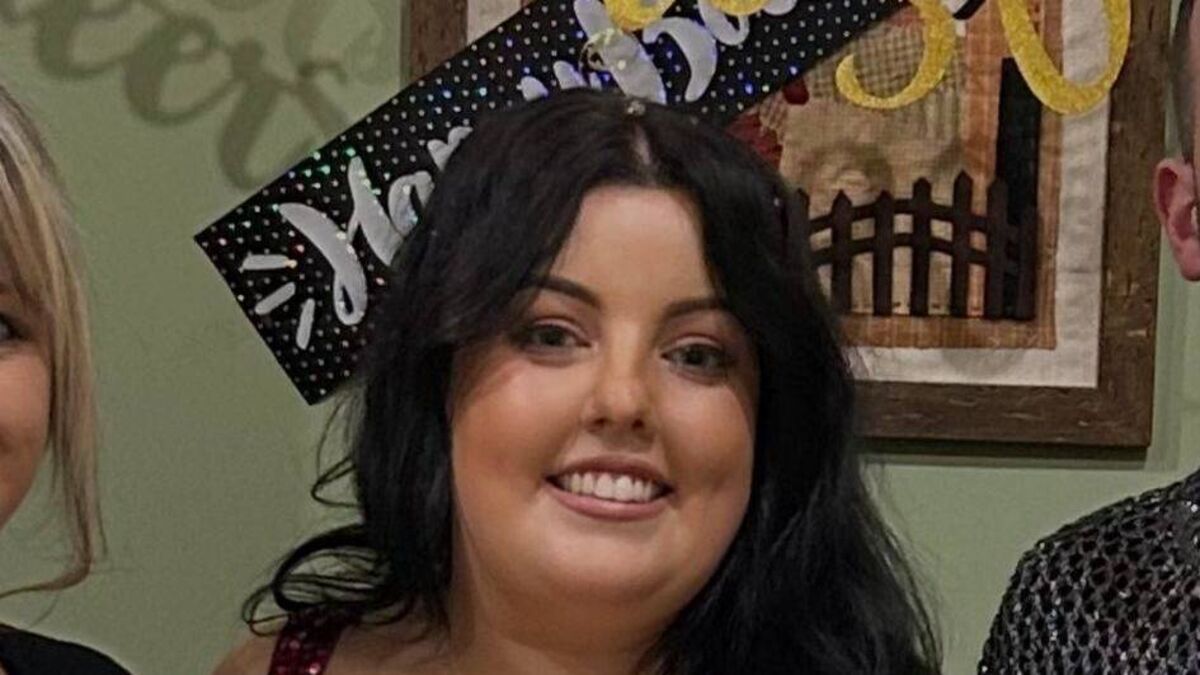
For Rachel Keavney from Ballina.
For Rachel Keavney from Ballina, Co. Mayo, living with multiple sclerosis means navigating a condition she describes as “invisibly unpredictable.”
Rachel is sharing her story as part of MS Ireland’s World MS Day 2026 campaign, MS Journeys: Many Faces, One Community, which highlights the many different experiences of people living with MS across Ireland and raises awareness of the realities of living with the condition.
World MS Day is marked globally each year on 30 May. It is a day to raise awareness of multiple sclerosis, share lived experiences and recognise the strength, resilience and diversity of the MS community. In Ireland, MS Ireland’s campaign is helping to show that no two MS journeys are the same, while reminding people living with MS that they are not alone.
MS has changed how Rachel looks at everyday life. She says it has made her grateful for the simple things she may once have passed by, including spending time with her family, slowing down and listening to her body. “Some days can be very, very challenging,” she says, “but I’m just glad to be out of hospital most of the time.”
Her advice to someone newly diagnosed is to take things day by day and not be afraid to ask for support. Rachel says: “Take time for yourself and take your new life day by day. Some days are okay and some days are awful.”
She encourages people to speak openly with those around them, reach out to MS Ireland or MS nurses, and keep a diary of symptoms to share with doctors, nurses and neurologists.
MS Ireland has played an important role in Rachel’s journey. When she was diagnosed, the first thing she was given was an MS Ireland booklet, which she says was a relief because it showed there was support available outside the hospital environment. Although she did not reach out for support until around two years after diagnosis, she now wishes she had done so sooner.
Rachel has taken part in MS Ireland supports including in-person yoga and reflexology classes, online fatigue management groups and an entrepreneurship course delivered through MS Ireland with TU Dublin and AIB. She says being part of the wider MS community means knowing there is someone she can contact for support, advice and reassurance.
One of the things that has surprised Rachel most is how connected the body and mind are, and how MS can affect far more than people may realise. She says MS is not just a condition that can affect mobility, but can also affect areas such as the mind, bladder, speech and other parts of daily life that people may not immediately associate with MS.
As a young person living with an invisible disability, Rachel says one of the biggest challenges is being recognised and understood. She says people can stare or approach her because she uses a blue badge or walking aid, without understanding the reality of her condition.
Rachel says she is grateful for the support of her medical team in Deel Medical and Sligo University Hospital, describing them as always being at the end of the phone and “like family” to her.
To manage her MS, Rachel says self-care is hugely important, whether that means having a peaceful coffee, getting her hair done or having reflexology. Physically, she says rest, naps, fresh air and gentle exercise all help.
Rachel is proud of becoming a mother, describing it as a long journey involving medication changes, emotional challenges and careful timing. She is also proud of marrying her supportive husband last year after their wedding had previously been postponed for medical reasons. She says it is also important to celebrate the smaller wins, such as walking a little further, being able to shower or managing fatigue better.
She is keen to challenge the misconception that because a person with MS was able to do something yesterday, they will be able to do it again today. “Each day is different,” she says, explaining that sleep, temperature, emotions, rest, hydration, environment, stress, exercise and diet can all affect what someone is capable of.
Her message to others living with MS is to keep going, reach out and remember that support is available. She says: “Keep your chin up, always reach out to someone to chat and remember treatments are always progressing and getting better. It’s always okay to have off days.”
For Rachel, World MS Day is important because it spreads awareness, supports fundraising and helps educate people about MS. She says it matters because it means that, even for one day, she does not have to explain herself or her illness.
Through stories like Rachel’s, MS Ireland’s World MS Day campaign aims to build understanding, challenge misconceptions and remind people living with MS that they are part of a strong, diverse and supportive community.