Martin survives Gavin report but Fianna Fáil unrest may persist
James Cox
Here, we have a look at the issues likely to dominate political discourse in the week to come.
Fianna Fáil presidential review
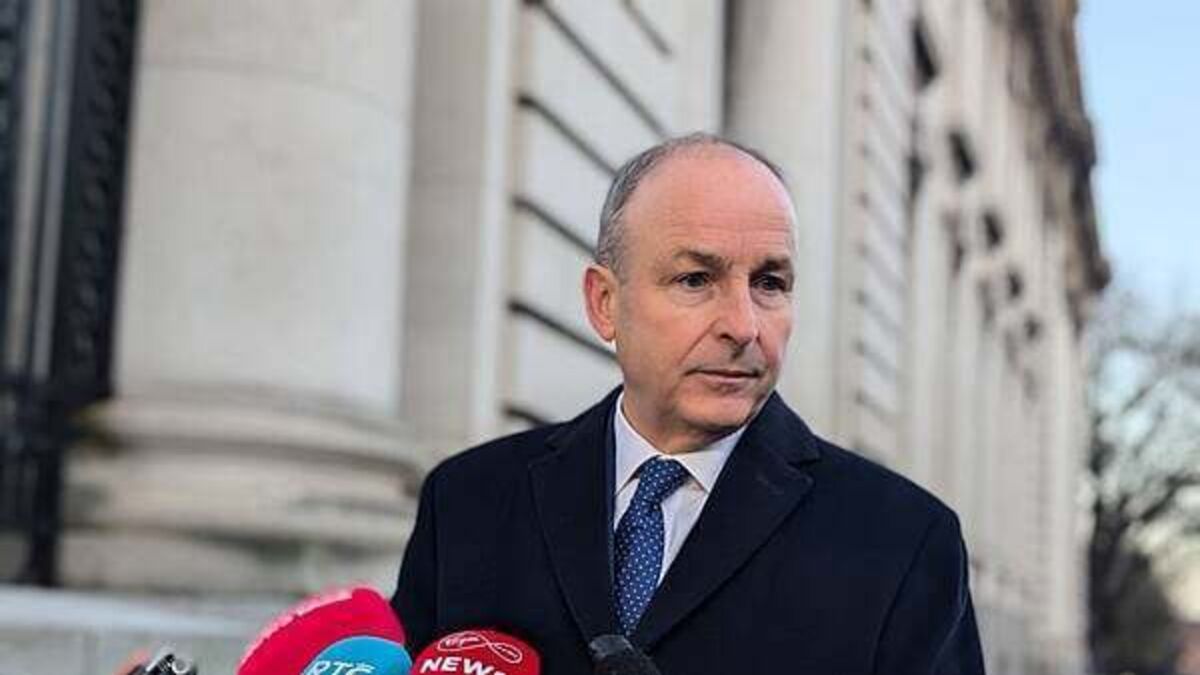
There were no shock revelations as the review into Fianna Fáil's presidential campaign was published on Tuesday evening, but Taoiseach Micheál Martin was described as "defensive" at the parliamentary party meeting.
Mr Martin had criticised "inaccurate" commentary ahead of the publication of the report into the selection of Jim Gavin as the party's candidate.
The review found that the party had been asked about possible issues with a former tenant on several occasions before Mr Gavin was officially selected as the Fianna Fáil candidate on September 9th.
Meanwhile, the total spend on the presidential election was around €400,000.
Mr Martin and deputy leader Jack Chambers had heavily backed Mr Gavin, but he withdrew three weeks before the vote after it emerged he owed €3,300 to a former tenant in overpaid rent.
The former Dublin football manager has since repaid the money. He declined to be interviewed for the review, but a legal representative for Mr Gavin requested an advanced copy before its publication.
The report revealed the Taoiseach’s chief of staff Deirdre Gillane, Mr Chambers, and members of the party's press office were told of a potential problem in the days before Mr Gavin became the official candidate.
However, the report does not indicate when Micheál Martin was made aware of the issue.
The review recommends increased vetting for future candidate selection processes, including interviews with family, friends, former colleagues and "political opponents".
The report did not provide the 'smoking gun' some critics of Mr Martin's leadership had expected, however, the meeting was described as "tense" with the Taoiseach "defensive".
Cork MEP Billy Kelleher, who also sought the presidential nomination, said Mr Gavin had been hidden during the campaign.
Other TDs also said Mr Gavin had been "shielded".
So what now?
Whispers in the party this week suggested Mr Martin's leadership was at risk. This appears to be premature.
However, there is undoubtedly still big unrest surrounding the party leadership.
Mr Martin insists he will lead Fianna Fáil into the next general election, however, this appears unlikely.
Ireland will hold the Presidency of the Council of the European Union from July 1st to December 31st, 2026. Some have suggested Mr Martin will step down when the presidency ends.
This would mean a new leader, and a new taoiseach until November 2027 when the rotating agreement comes into effect with Tánaiste Simon Harris, or whoever is leading Fine Gael, taking over.
Minister for Justice Jim O'Callaghan is seen as the heavy favourite to be the next Fianna Fáil leader. However, he is biding his time.
In an interview on The Irish Times Inside Politics podcast this week, Mr O'Callaghan once again expressed his support for Mr Martin.
Deputy leader Jack Chambers would be another candidate, but he has also been damaged by the Jim Gavin review.
Minister for Higher Education James Lawless is another senior party figure who is believed to have his eyes on the leadership.
Trump's 'aggression towards Europe' following Putin playbook, Irish MEP says
A new US national security strategy document shows president Donald Trump is making efforts to divide Europe reminiscent of actions taken by Russian president Vladimir Putin, an Irish MEP has said.
The document sent shockwaves across Europe, and its clear criticism of the European Union presents a big shift in America's relationship with traditional allies.
In an interview with BreakingNews.ie, Fianna Fáil MEP Barry Andrews said Donald Trump doesn't like the fact that the EU can "stand up to him as a collective".
He said the national security document can be traced back to a speech from US vice president JD Vance at the Munich Security Conference in February.
"That was jaw dropping, even for people who attend that conference regularly, a wake-up call.
"You can draw a straight line from that to the national security strategy which set out a much more explicit and open look at what their intentions are."
Abroad
A European Commission report has found an additional 650,000 homes per year are required across the EU to address supply shortfalls driven by rising construction costs and disrupted supply chains.
Ukrainian president Volodymyr Zelenskiy says proposals being negotiated with US officials for a peace deal to end his country’s nearly four-year war with Russia could be finalised within days, after which American envoys will present them to the Kremlin before further possible meetings in the United States next weekend.