Vaccination of Dairy and Suckler Calves reduces stress on farms
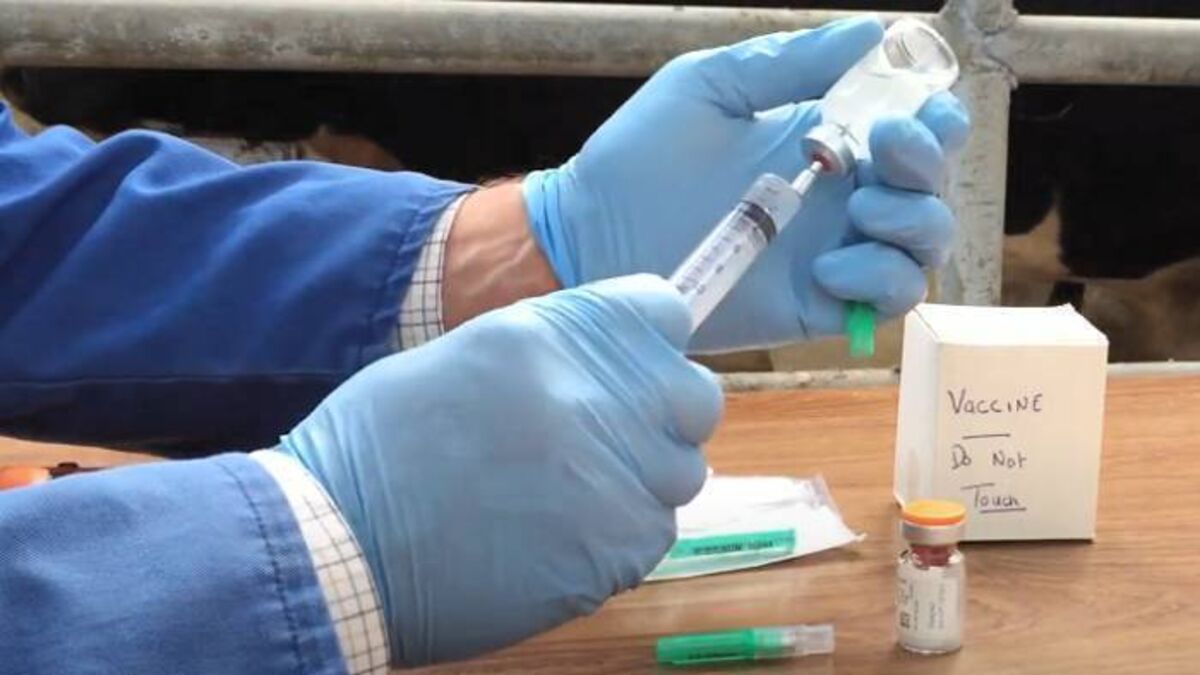
The vaccination of suckler and dairy calves needs to be looked at in the context that cattle values have increased considerably.
Cattle farming systems have changed over the last 10 years. In this time the number of dairy cows has increased by 600,000 and suckler cow numbers have declined.
As a result, more dairy calves are traded across farms.
The management of health of calves on suckler farms is very important.
The vaccination of suckler and dairy calves needs to be looked at in the context that cattle values have increased considerably. Vaccination was always important, but this additional cost is now more affordable.
Look at the scenario of a severe pneumonia problem on a farm and the veterinary costs and stress associated with it. Vaccination costs in this situation are not high.
Mortality on farms should not exceed 5%. If they are higher, you need to look at the management of calves on your farm. Dairy calves can for several reasons be more susceptible to illness.
Good husbandry at birth on dairy farms is vital where the calves must receive adequate colostrum. When calves don’t receive this colostrum, they are much more susceptible to calf scours and pneumonia.
These dairy calves at 3 – 4 weeks of age are traded through marts or otherwise and come in contact with other calves. In this situation sickness can spread from calf to calf.
To reduce the sickness burden, calves should ideally be purchased directly off farm and in any event buy calves from as few sources as possible.
Buy calves earlier in the year as after the weather warms up scours and pneumonia are much more prevalent.
Good management of the calves when they arrive on farm, which avoids stressing the calves, is important.
Sheds should be well bedded and draft free. Drafts cause the calf to become cold. Lie in the shed yourself. Is the bedding wet? Do you feel cold?
When a calf is cold it needs to drink more to stay warm.
A cold calf is a stressed calf and more susceptible to sickness.
When calves are being purchased it is strongly recommended that these calves receive pneumonia vaccinations.
On the more commercial calf rearing farms the calves receive both the pneumonia (BRSV, PI3, Mannheimia Haemolytica) and IBR vaccines. You need to discuss a health plan with your vet. If good husbandry at birth is not provided, or if housing facilities and bedding is poor no amount of vaccination will lessen or prevent pneumonia.
A good vaccination programme will reduce the sickness burden if the calf does become sick.
The time and stress involved in treating sick calves is greatly reduced. Calves should be vaccinated well in advance of any likely stress period.
This is why on dairy calf farms calves are treated within days of arrival on the farm. These dairy calves will also receive booster shots prior to winter housing.
In suckler herds the high stress period is weaning, housing and sale.
For the calf to develop good immunity prior to the stressful autumn period this programme needs to start in late July / early August or earlier.
Many of these vaccinations are 2 shot programmes, others are one shot.
Internasal tends to be one shot, and this gives quicker immunity, but the period of protection may last for a shorter period of 3 months.
Understand the product you are using.
What does it cover and how long does it provide immunity?
When do I need to be giving a booster shot?
On dairy calf rearing farms internasal may be used.
The farmer wants the calves to have quick immunity, inside days. However, this farmer will be giving booster shots later in the year.
Don’t just look at one shot as being a handy single shot and job done. You will highly likely need to follow up.
Read the product’s data sheet and discuss your programme with your vet.
Many of the pneumonia (BRSV, PI3, Mannheimia Haemolytica) are 2 shot programmes and you need to be starting early as outlined, so the calf has maximum immunity going into a high stress period.