Tackling grassland management in a challenging spring
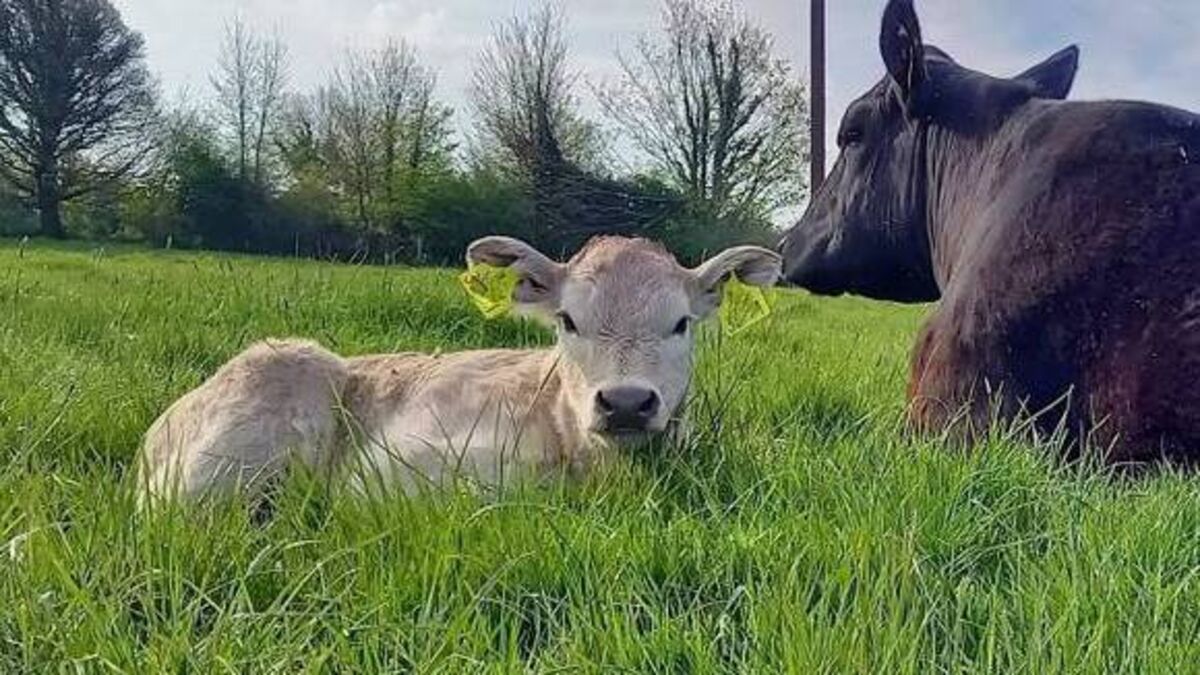
Removing the first cover of grass early allows light to reach the base of the sward, which encourages fresh leafy growth for the next rotation.

Whether it is early spring grazing or the early application of organic and chemical fertilisers, grassland management has been particularly challenging this spring.
Following almost non-stop rainfall across the country over the past number of months, carrying out any work that requires getting onto land has been extremely difficult.
Despite this, the few dry days we have experienced recently have allowed farmers to begin returning to the land to kick-start the 2026 grass season.
Across farms this may take different forms, including grazing ewes post lambing, applying slurry or fertiliser or turning out calves for their first taste of fresh grass.
Whatever the system, spring grass management is an essential building block for grass production in 2026 and can have a direct impact not only on grass performance, but also on overall farm productivity for the rest of the year.
Why is Spring GrassManagement Important?
Early spring grass is highly palatable and rich in protein, making it an excellent feed source for livestock coming out of winter housing.
Making good use of this grass can bring several benefits:
• Reduces the need for concentrate and silage feeding;
•Improves grass quality in subsequent grazing rotations;
• Encourages stronger grass growth for the remainder of the grazing season.
Early spring grazing can play a key role in setting up grass quality for the entire grazing season.
Removing the first cover of grass early allows light to reach the base of the sward, which encourages fresh leafy growth for the next rotation.
However, early grazing must be managed carefully to avoid damage to soils and swards.
Key Grazing Tips
• Walk the farm regularly to assess grass covers and ground conditions;
• Start with lighter stock such as sheep or young cattle where possible;
• Target drier paddocks first, particularly those with good access and shelter;
• Graze lighter covers to avoid excessive poaching;
• Move stock frequently to prevent animals standing too long on wet ground;
• Be flexible – if weather deteriorates, remove stock to avoid long-term damage.
As beneficial as early grazing can be, poor conditions can quickly lead to poaching and soil damage.
Farmers should therefore be prepared to adapt their grazing plan depending on weather and soil conditions.
Alternative Options
Early grazing may not be suitable for every farm, particularly where land is located far from the yard or where ground conditions remain difficult.
In these cases, farmers can focus on other grassland management practices such as targeting slurry applications.
Slurry is a valuable on-farm resource and should be utilised to its full potential.
Spring applications provide soils with important phosphorus (P) and potassium (K) nutrients, which are essential for the growth and maintenance of the grass plant throughout the season.
Applying slurry in spring also improves nitrogen (N) utilisation, as cooler temperatures reduce ammonia losses to the atmosphere.
This allows farmers to maximise the value of the nutrients being applied.
Final Take-Home Message
Every farm is different and early spring grass management is not a one-size-fits-all approach.
Farmers should take the time to walk their farm on a regular basis, assess ground conditions and develop a plan that best suits their system.
The key message is simple: Get out and walk the farm.
Many farmers may be pleasantly surprised by the conditions and can begin taking steps now to set their farms up for a productive grass season in 2026.