GUIDE: Prioritising farm safety in Mayo
GUIDE: Prioritising farm safety in Mayo

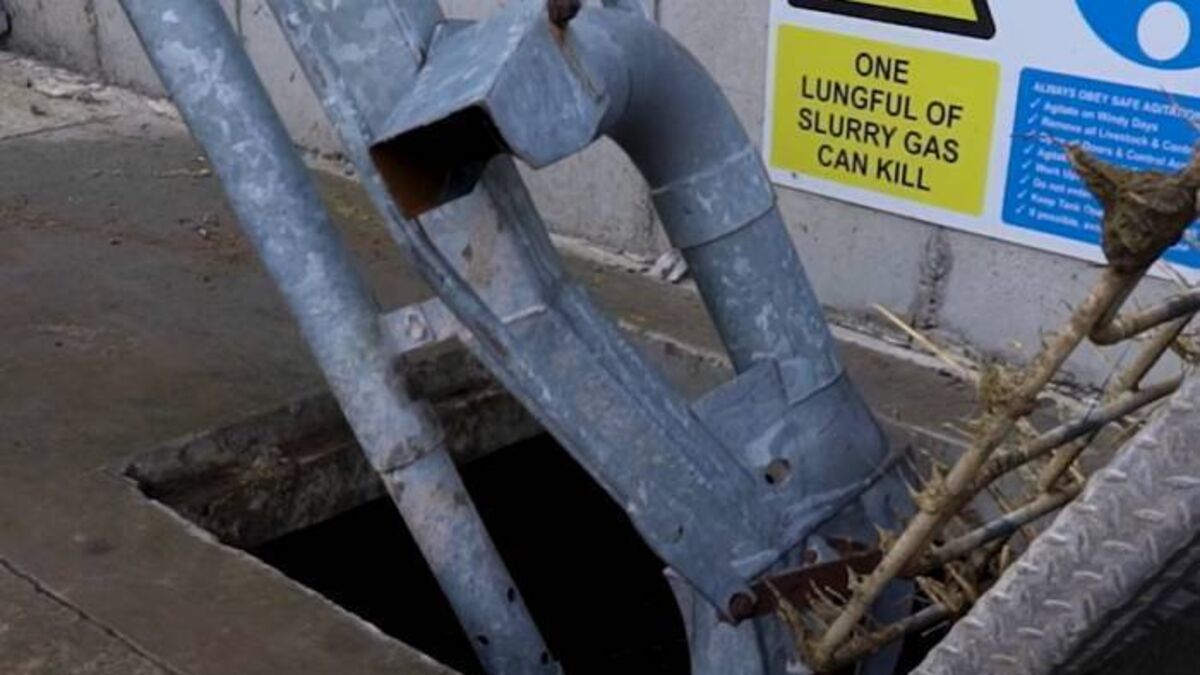
Picture above, slurry agitation.

Andy Ryder, Drystock Advisor, Teagasc Westport.

Over the last number of weeks, I attended several farm walks, seminars and webinars. The key messages from these events were:

  • 1. Get more output from grass in 2026.
  • 2. Review cost structure on farms using financial tools such as the profit monitor.
  • 3. Improve animal performance on farms.
  • 4. Plan ahead for calving and lambing.
  • 5. Fertiliser/Slurry management.
  • 6. Water Quality

Indeed, these are all particularly important factors that every farm needs to address against a backdrop of increasing costs, softening of animal prices and an unclear future for CAP (Common Agriculture Policy) post 2027.

Farms are also entering one of the busiest periods and too often, safety is not prioritised. Recent interactions with clients over the last few weeks have highlighted the risks that farmers still take which could result in serious injury or loss of life.

Calving Facilities

Recently, a client was looking to build a slatted shed with a creep area under TAMS 3. He was enquiring about the application procedure and specifications. The need for all pens to have independent access for the farmer, without going through any pen containing animals, was a source of frustration. This usually results in extra doors to access pens or wider creep areas to allow for a walkway to access each pen.

It transpired that the reason for building the new shed was due to poor facilities, resulting in a near miss with a cow calving last year. This underlines the importance of this requirement to maintain safety standards.

Slurry

A client that does slurry work was discussing the stop - start nature of the slurry season so far this year due to the poor weather. The client started off moving some slurry from one tank to another, while other farms are getting a few loads out to the drier parts of the farm. The issues he is coming across on several farms include;

  • 1. Poor agitation points. Heavy concrete beams which must be removed first. This is a 2-person job, usually left to the contractor. These agitation points are often left open until slurry spreading is complete because of the difficulty of opening and closing these points.
  • 2. Stock not removed from sheds while agitating. This is a high-risk situation with potential loss of animals or life, should someone need to enter the shed to rescue animals from gas inhalation.

ATV (Quad Bikes)

These vehicles are more common than tractors on farms, particularly in hill areas. They are very useful machines, when used correctly. Recent poor weather conditions make it unsafe to travel where these machines would usually go. Unfortunately, some of the practices that are being carried out are putting drivers at high risk of injury:

  • 1. Farmers crossing swollen streams on the quad to feed sheep.
  • 2. Travelling on steep ground that is currently very wet. There is no grip in these conditions and machines will slide and possibly overturn.
  • 3. Excessive weight on the bikes in poor ground conditions will result in a greater risk of overturning.
  • 4. Allowing employees or family members to use these vehicles without completing an approved safety training course.

These are just a few cases where farm safety has been compromised. It highlights that there is always room for improvement on farms in terms of safety. There is support available to improve safety on farms.

Support and Advice

  • TAMS 3: Safety items have a 60% grant for items such as calving gates, agitation manholes, lighting, sliding doors and may more safety items.
  • Acres CP: Farmers may apply for concrete crosspoint through the Local Actions.
  • HSA website: Plenty of safety information and videos available.
  • Farm Advisor may help you in planning and advising areas to improve.
Make farm safety a priority this spring on your farm to reduce the risks of serious injury or death. Best of luck in your farming enterprise over the coming weeks.

More in this section