Kenova report reveals Stakeknife was taken on holiday while wanted by police
By Rebecca Black, Press Association
The British army agent Stakeknife was taken on holiday while wanted by police and also handed lump sums of tens of thousands of pounds, the Operation Kenova report has revealed.
The agent has been described as one of the British army’s most prized assets, bringing them information from within the heart of the Provisional IRA at the height of the Troubles in Northern Ireland.
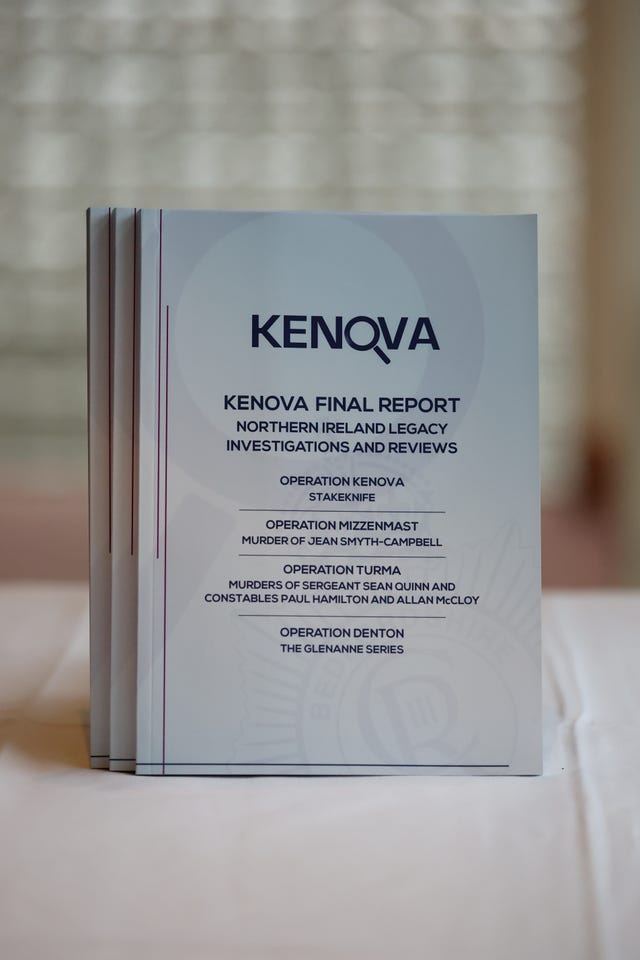
The final report from Operation Kenova reveals a team known as the Rat Hole handled Stakeknife.
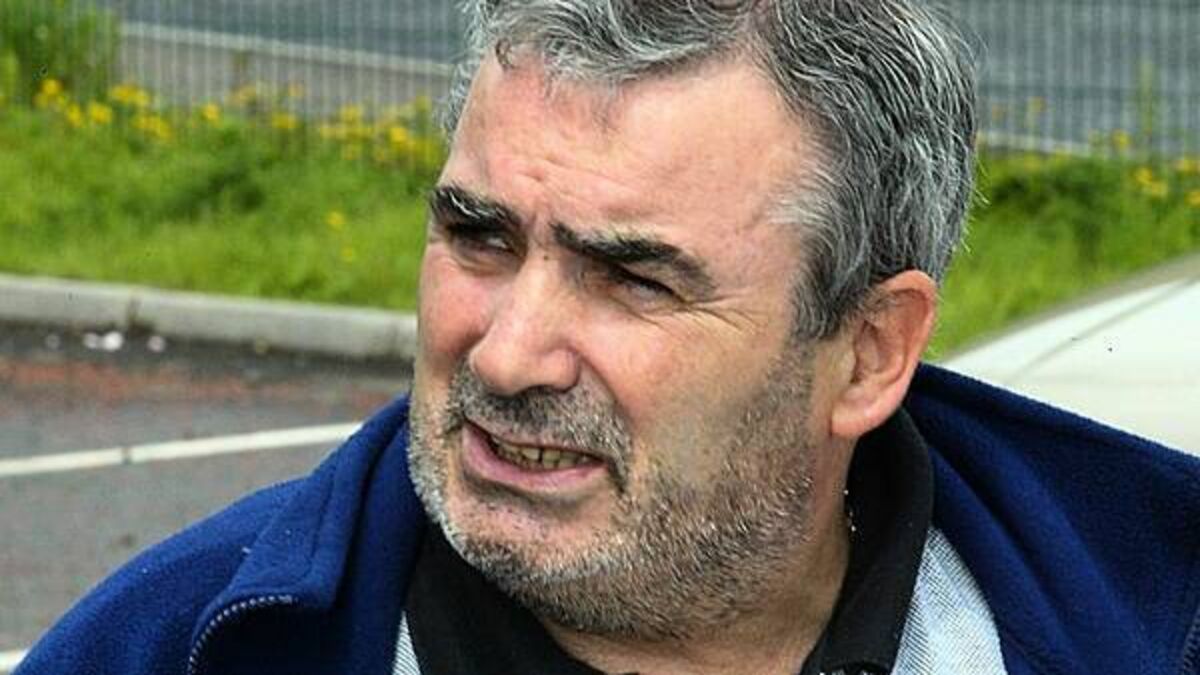
It reveals the cultivation and recruitment of the spy, widely reported to have been the now deceased west Belfast man Freddie Scappaticci, started in the late 1970s.
He operated as an agent into the early 1990s, and his motivation was described as being “linked to a risk he was facing criminal prosecution” or a “desire for financial gain”.
His military source record document goes on to list other reasons for his continuing to work, including “a wish for the armed conflict to end”, “dissatisfaction with the IRA hierarchy”, as well as a “desire to protect his family”.
A dedicated sub-unit based in secure accommodation known as the Rat Hole was set up separately from other agents, while a bespoke database called Bog Rat 3970 was created to handle Stakeknife’s reports.
Stakeknife was described as meeting his handlers every seven to eight days, however by the early 1990s his position and influence within the IRA was perceived to have weakened.
The agent was also described as having started to become reluctant, and the Army responded by “massaging his ego”, telling him his loss would be felt throughout the intelligence world.
Kenova also reports that a number of financial incentives were offered during and beyond the time which Stakeknife was active, ranging from “roughly the equivalent of an annual wage to lump sums of tens of thousands of pounds, including to assist with the purchase of property”.
One military report assessed Stakeknife as “one of the most productive long-term agents run by any agency in Northern Ireland”.
The Kenova report also records that further MI5 material it received disclosed two incidents where Stakeknife’s handlers took him out of Northern Ireland for a holiday when they knew he was wanted by police for conspiracy to murder and false imprisonment.
“For these purposes, Stakeknife was flown by military aircraft and given military identification,” the report reads.
It also records the suggestion of a “farewell dinner” being planned for Stakeknife in the 1990s during an early resettlement plan.
Later there was an unsuccessful attempt to resettle Stakeknife in Britain, when his handlers described him as “cavalier, not only putting his own life at risk but the lives of those charged with looking after him”.
Stakeknife was then seen driving in Belfast before his permanent resettlement in Britain in the mid-2000s.
The report finds: “Stakeknife remained living in Belfast, although there were attempts to persuade him to move to other, safer areas of Northern Ireland.
“He was offered money to purchase property and consideration was given to five and six-figure financial incentives to cover a pension or annual salary.”
Operation Kenova was unable to ascertain how much money was paid to Stakeknife in total.