Judges to be issued with personal panic alarms following concerns over litigant 'violence'
Darragh Mc Donagh
Judges in Dublin are to be issued with personal panic alarms as part of a €1.8 million investment in security infrastructure following concerns over an increase in violent behaviour among litigants.
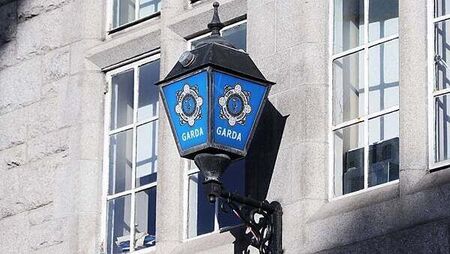
The discreet devices will enable An Garda Síochána to respond within 40 seconds of being activated by a member of the judiciary, sending details of the individual’s location to an operations centre.
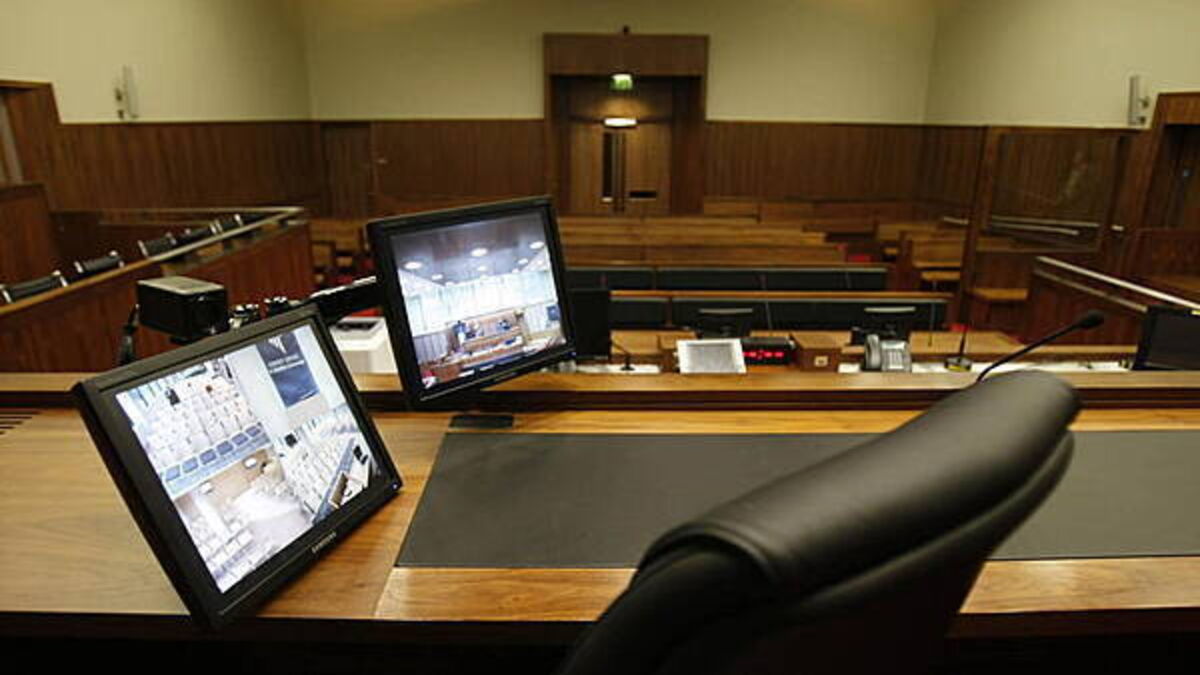
The Four Courts, Chancery Street, and other key locations in the capital are already equipped with around 150 fixed panic alarms in courtrooms and administrative settings.
The Courts Service is now planning to issue up to 150 portable panic alarms to judges and senior personnel, as well as providing a mobile app or GPS personal safety device to 60 more.
It is currently seeking tenders for a contract for the supply, installation, monitoring and maintenance of panic alarms. The estimated value of the contract is €1.8 million, and is for a maximum period of four years.
When panic alarms are activated, the service provider will be required to react within 30 seconds and ensure that gardaí are alerted within 40 seconds. Automated emails and text messages will also be issued to nominated Courts Service personnel.
The move comes just months after the president of the High Court issued an official notice referring to an increase in litigants and supporters engaging in disruptive and sometimes violent behaviour in court.
Mr Justice David Barniville said such conduct threatened the safety and welfare of judges, registrars and other court officers. “If public confidence in the administration of justice is to be maintained, it is paramount that the authority of the court is respected,” he added.
The new security system is intended to enhance the safety and security for staff and members of the judiciary, according to the tender documents, as well as improving confidence in emergency response arrangements.
Fixed panic alarm devices include under-counter alarm buttons and desk-mounted alarm buttons, as well as devices fitted in reception areas and courtrooms. The new service provider will be expected to integrate the existing security infrastructure.
The new personal panic alarms will be primarily located in the Dublin region but must be capable of operating nationwide, according to the tender documents. The mobile panic alarm solution will include both a standalone device and a mobile phone app.
The standalone devices will be lightweight and discreet with long-life battery capability, and the alarm will be activated through a single action by the user. GPS data will only be shared when the device is activated, and users will not be tracked at other times.
Prospective service providers have until September 4th to submit tenders for the contract to the Courts Service.