Giant shark is emerging on Achill Island
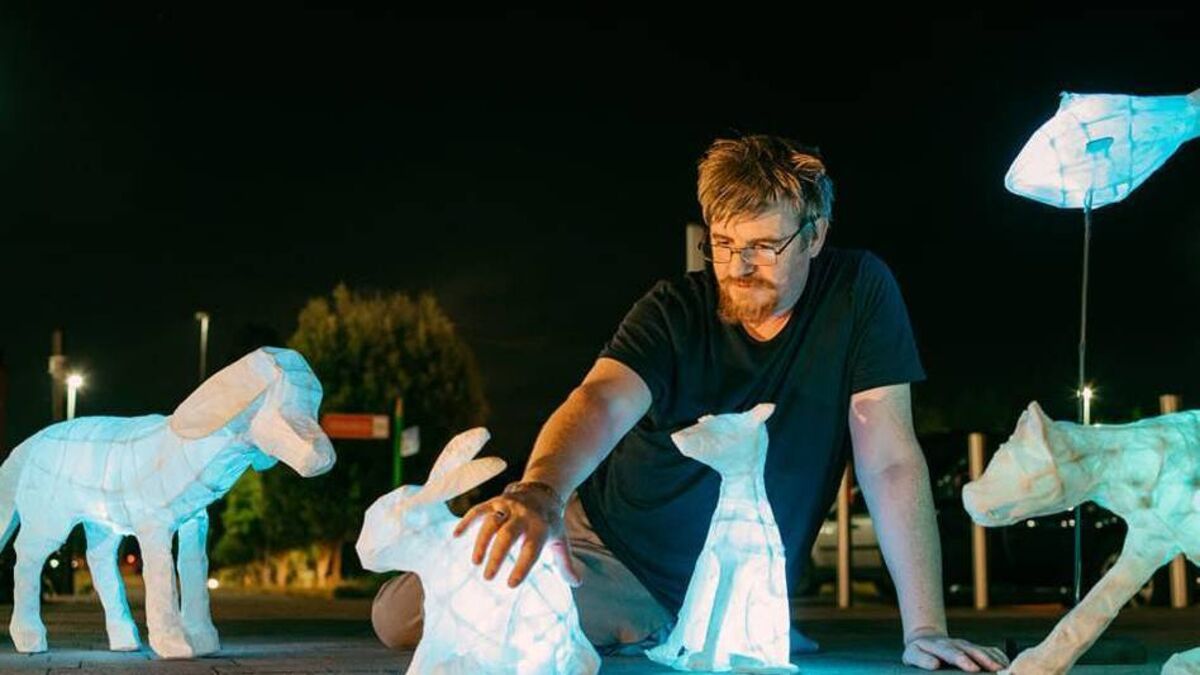
Artist-in-residence Tom Meskell starts work tomorrow on the life-sized model of the basking shark.
A giant life-sized model of a basking shark - the world’s second largest fish - is emerging on Achill Island.
World renowned Mayo artist Tom Meskell is creating a 40-foot long lantern sculpture as part of the Circus Science by the Sea Festival, hosted annually on the island, by circus production company Circus250.
Basking sharks are a regular feature of Achill life, uniquely returning each year to the island’s Atlantic coast – one of the few places in the world where they can be spotted in large numbers.
Once hunted for their oil, now these wonders of the deep are fiercely protected by the very same men who used to pursue them. As a result, within one generation their numbers have flourished. The basking sharks of Achill Island are a story of hope for the future of our oceans.
"I’m really thrilled to be building a basking shark on Achill Island," said Tom. "I’ve been wanting to do so since I visited the Museum of Natural History in Dublin when I was a child and saw a shark there. There couldn’t be a better place than the island. It’s where I first saw a basking shark in real life. Incredible."
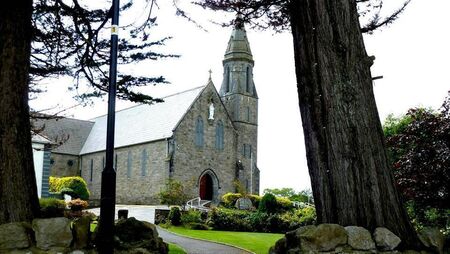
There are few spaces in Mayo large enough to accommodate a life-sized shark, but Coláiste Ácla in Dooega is perfect. The shark will hang from the high ceiling, with visitors able to walk all around it.
As the festival's artist-in-residence, Tom Meskell will begin work on building the shark on November 4, recording its creation in a daily online Shark Diary on social media. Islanders and beyond are welcome to drop in and watch as wood, tissue and frames are transformed into a life-sized model.
On Friday, November 13, in a grand opening night at Coláiste Acla, Dooega, Achill, the full illuminated shark will be revealed in an immersive light and sound exhibition, as if visitors were meeting the shark underwater in the ocean itself.
Circus Science by the Sea Festival takes place from November 13 to 15 on Achill Island, as well as in Westport and Mulranny and is funded by Research Ireland.