Food writer Isabella Barbato: ‘Cancer feels like a train wreck – you’re not in control of anything’
By By Siobhan McNally
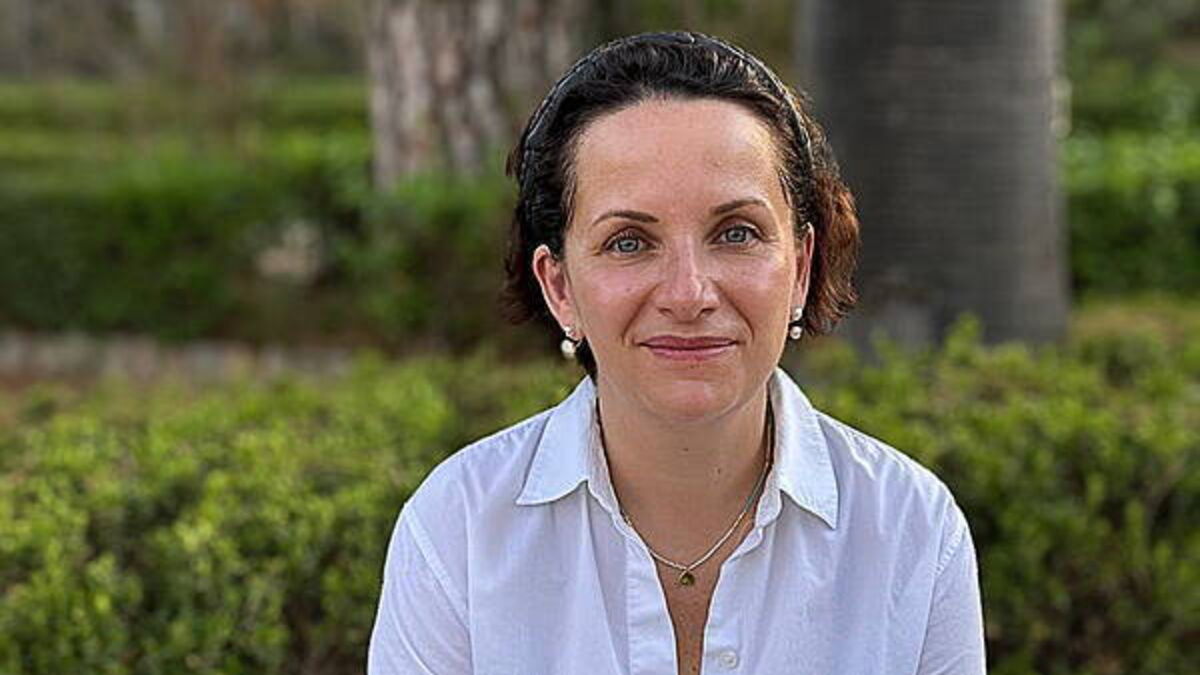
Isabella Barbato’s life was changed forever after a cancer diagnosis in 2018 brought her busy life as a global marketing executive to a halt. Within five years, both her parents would also pass away from the cruel disease.
“On the eve of my 35th birthday, I was told I had cancer,” the food writer and creator reveals, after finding a lump six months earlier. “The original hospital scan had come back clear, but all the time, I had this voice in my head telling me something was wrong.”
Having just relocated from Singapore to London with her husband, Akshay, she was told to put her life on hold. “I had six months of chemotherapy, followed by a lumpectomy, and then a month of radio.”
Breaking the cancer news to her mum and dad, Giovanna and Riccardo, back in Sicily, Barbato felt very far away from the home she had left.
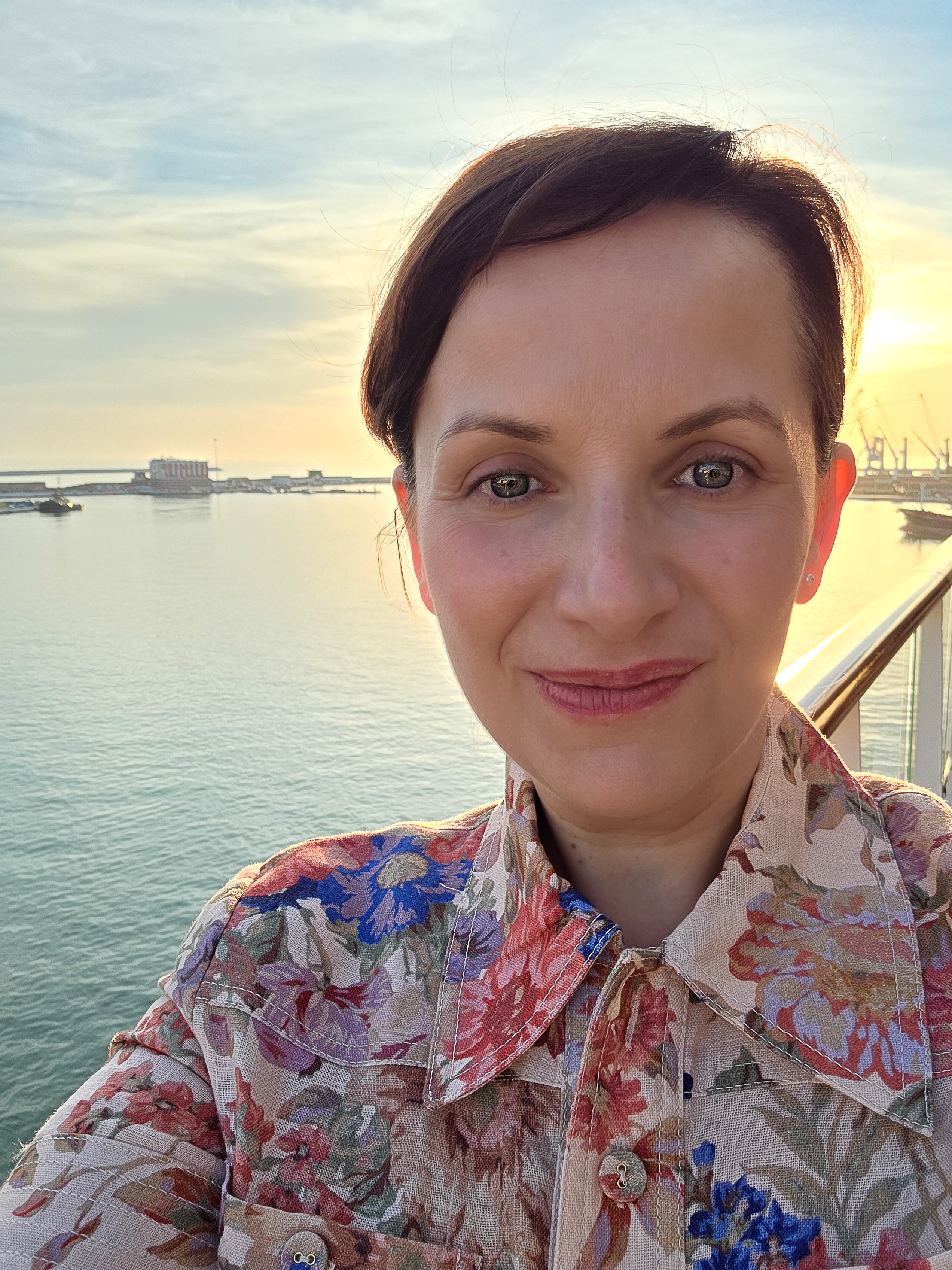
Coming from a long line of home cooks in the hilltop baroque town of Ragusa in south-east Sicily, Barbato explains: “My father worked for the Ministry of Education and my mum was a teacher, but it was my dad who encouraged me to leave,” she explains. “He’d say sadly, ‘As soon as you turn 18, go somewhere else. There’s nothing here for you’.”
Now, 45, Barbato has released her debut cookbook, Pasta Therapy – keeping alive the memories of her beloved Sicily, and her family.
“Pasta Therapy is about legacy. My parents and the elder women in my family all passed away too soon. This is the only way to preserve them. People will continue to make their recipes.”
Cooking lessons started young, as Barbato recalls, “When my parents came home from work at 2pm along with me and my sister Paola from school, we had to learn the basics for lunch.”
Barbato’s earliest memory of cooking is making pasta with her mum’s tomato sauce.
“Mum would also make something she called carbonara – but I would be killed in Italy for that. It was a veggie version made with courgettes.”
On the weekends, all the aunties and cousins would gather. “Everyone would bring something, and we’d have very big lunches that would last for hours,” she recalls.
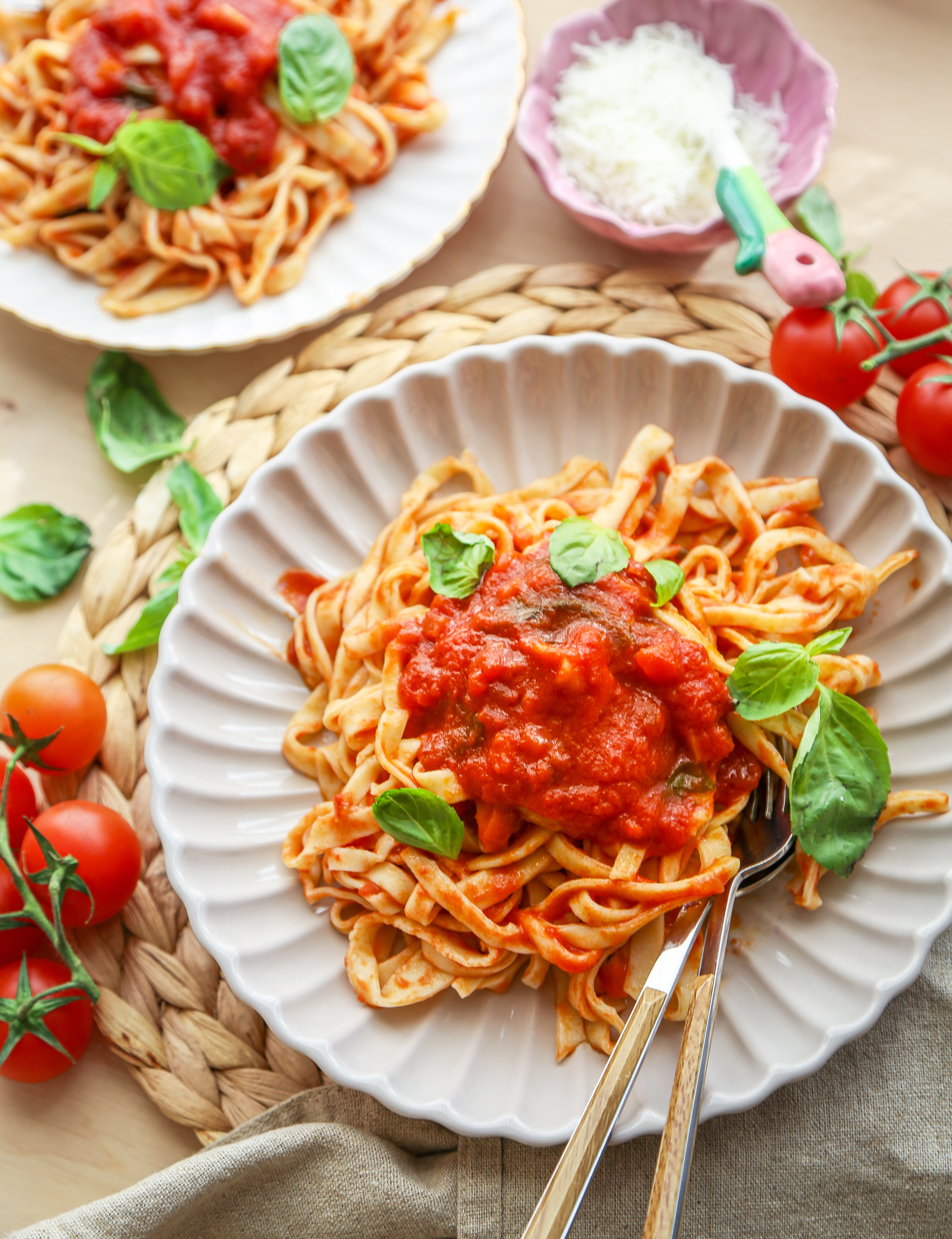
The 120 recipes the book draw on her home island’s melting pot of flavours. “North Africans, Ottomans, Spanish, French and Greek – so many influences have shaped our cuisine.”
Barbato explains how she recreated her Sicilian family’s traditional cooking in her tiny kitchen in St John’s Wood in North London.
Sicilian food is classically meat-based but the author has replicated the recipes using plant-based ingredients. “Like my mum’s special ravioli with ricotta which she made on Sundays. In my hometown we add sugar to our ricotta which makes it unique. Mum would make it with spicy Sicilian sausage but I use fennel seeds and spices.”
The simple act of making pasta from scratch became an act of caring for herself, and Barbato began posting pictures on her personal Instagram account.
“Cancer feels like such a train wreck – you are not in control of anything. The only thing I could control was my food.
“I only had about 80 followers, but I started posting pictures. Then a friend said, ‘I can see you making all this beautiful food and I feel that you’re OK.’”
Her blog, A Taste Of Sicily, was taking off when Covid hit and then crushing news came from home – Barbato’s dad had been diagnosed with pancreatic cancer.
“It’s worse seeing someone you love having cancer than having cancer yourself because you feel powerless,” she says. “Dad died of pancreatic cancer in 2022, then five months later, my mum got ill. Her cancer had metastasised but they couldn’t find where it had come from. She died in November, exactly 10 months to the day my dad died.”
The death of both her parents left Barbato broken, but it had been a comfort knowing she had been able to cook for them. “I was in a very bad place but going back to the silence of the kitchen helped. It was like a meditation.”
Back in London, Barbato found the charity Future Dreams by chance. Grateful for the help from a community of people also affected by cancer, she started giving workshops on how to cook pasta. “I found my tribe,” she smiles. “The act of cooking together, which I was so used to growing up, had been missing. Now I have a community again.
“People told me, ‘For the last two hours I was here in the workshop, I completely forgot about what I’m going through.”
She also believes pasta is accessible for everyone. “All you need is flour and water – and a rolling pin.”
And her secret to making pasta? “Dough really needs to rest. At least for 30 minutes minimum.”
But with the workshops have come more loss, which Barbato says has been hard. “I’ve lost close friends. One of them, Veronica, whose Italian mum’s recipe features in the book, passed away last year.”
While the author believes nutrition is vital, she does not believe in eliminating foods. “You hear that a lot in the cancer community,” she reveals. “They say, ‘You shouldn’t have sugar or alcohol.
“I’m guilty of that myself – [I didn’t] even allowed myself to celebrate with cake at the end of chemo. But going through treatment is difficult enough.”
Writing Pasta Therapy has also helped Barbato rewrite the past. “This book was a way to erase the bad memories of Sicily and override them with good ones.”
And she’s started planning for the future. “I’m eight years in remission and I still struggle with anxiety, but you just accept it and make plans – and that’s when you realise you’re healing.”
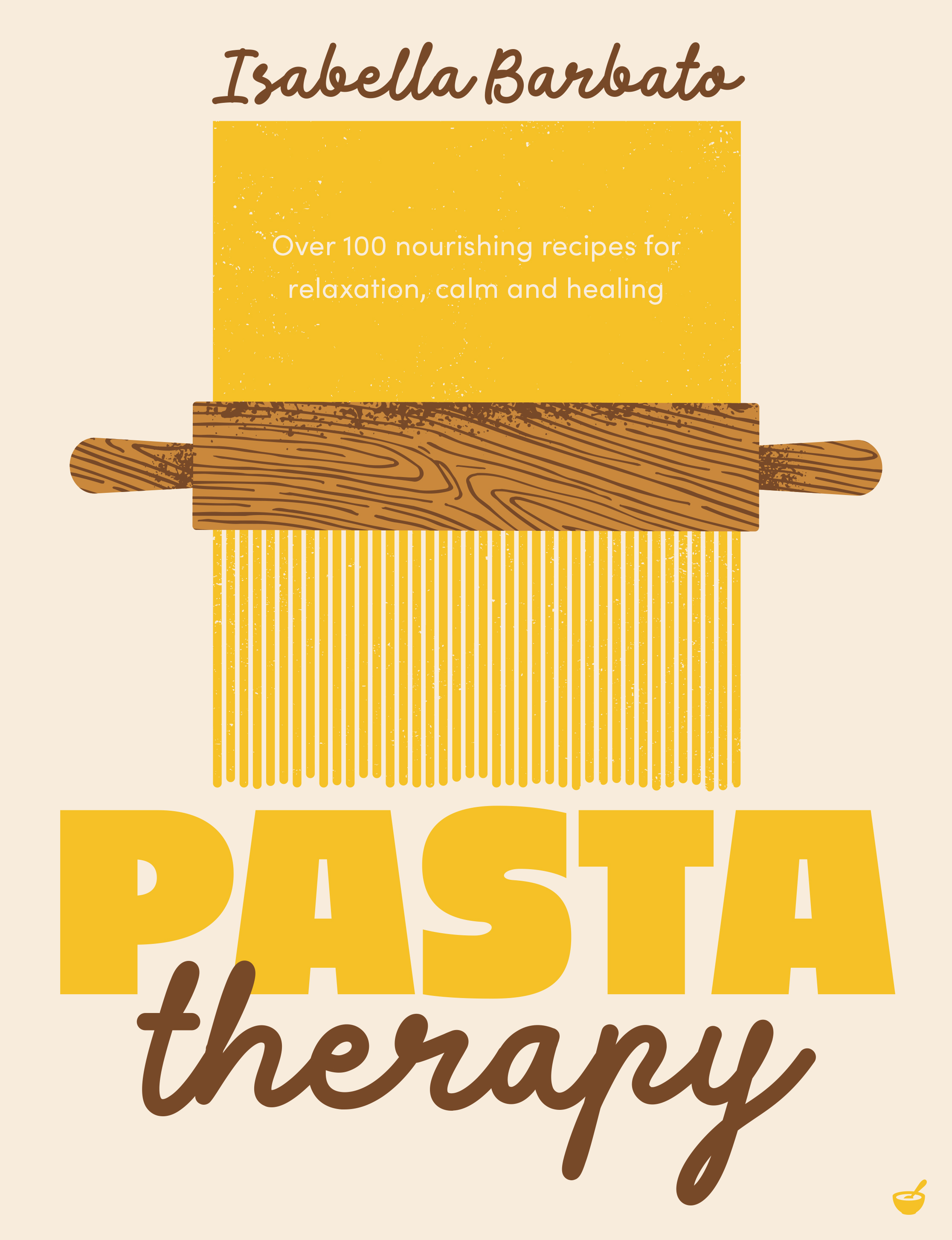
Pasta Therapy by Isabella Barbato is published in hardback by Nourish Books. Photographs by Isabella Barbato. Available now.