Ambulance strike: Older people urged not to delay in seeking help
Vivienne Clarke
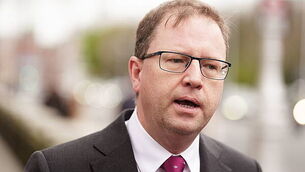
Sean Moynihan, the chief executive of Alone, the support organisation for the elderly, is encouraging any older person who is uncertain about calling an ambulance today during the strike, to still take action and not to delay seeking help.
Whether they call for an ambulance, reach out to primary care, friends or family or are alone, they need to make sure that they do not delay seeking help if they feel they need it, he told RTÉ radio’s Today with David McCullagh show.
It was important for people to make the call so that people who are qualified could diagnose what was an emergency.
“If people have a concern about their health and ultimately with the large cohorts of older people we have living over 85 and large cohort of people who may not have their own transport anymore or may not be on good transport links to self-transport or friends or family, we really just need to encourage everybody not to worry but ultimately reach out to primary care, reach out to their GP, reach out to their pharmacist, reach out to people like ourselves and ultimately make sure they get the support they need.
“Older people are at their own best resource in one way so if anybody has any concerns, they should reach out to their support group, and on the far side, for those who are family friends, especially in advanced older age and who they know have maybe been struggling with some health conditions ultimately to reach out and check in this morning and make sure they're okay.”
The Irish Patients Association said patients must be the priority during the strikes.
"Patients must not be used as pawns by any party in an industrial dispute.
"The public warnings issued by senior ambulance and emergency clinicians regarding delays, reduced response capacity and the possibility that some patients may need to make their own way to the hospital underline the seriousness of the current situation.
"Emergency care is not an abstract service. For many patients and families, calling an ambulance represents one of the most frightening and vulnerable moments of their lives.
"The advice now being issued to the public must also be communicated very carefully. One of the hidden risks during periods of emergency disruption is that vulnerable patients may begin second-guessing serious symptoms or delaying urgent care because they do not wish to burden the system.
"The Irish Patients Association fully respects the State’s industrial relations mechanisms. However, history shows that where essential healthcare services and patient safety are at risk, intensified engagement and visible leadership have frequently accompanied formal industrial relations processes.
"We are not calling for political interference in the outcome of negotiations. We are calling for every possible effort to help ensure the conditions exist for meaningful and urgent engagement before risks deepen further
"If the system moves rapidly following a serious adverse event, patients and families are entitled to ask why every possible effort is not being intensified now while there is still time to reduce risk.
"The protection of patients must now become the overriding priority for all involved, alongside urgent and meaningful engagement aimed at preventing further escalation and reducing risk to vulnerable patients."