Problem gambling linked to exposure during childhood – study

By Gráinne Ní Aodha, Press Association
Problem gambling is much more likely among people exposed to gambling as children, according to a new study by the Economic and Social Research Institute (ESRI).
The study suggests that rates of problem gambling are significantly higher among people who gambled as children, whose parents gambled, or whose parents had positive attitudes towards gambling.
Researchers concluded that where gambling products are shown to have particular appeal to children “stronger regulation of those products is justified”.
They also suggested that addressing problem gambling among parents may “indirectly help to protect” their children from developing problem gambling, given the suggestion of a link to exposure during childhood.

“Problem gambling” is when a person’s gambling disrupts and damages their life, with negative impacts on finances, wellbeing and social circles.
The research, carried out by the ESRI’s Behavioural Research Unit and commissioned by the Gambling Regulatory Authority of Ireland (GRAI), gathered anonymous online responses from a representative sample of more than 1,600 adults.
The researchers found a strong link between current gambling behaviour and childhood experiences, controlling for social background.
Those who gambled as a child were almost twice as likely to suffer from problem gambling.
Having a parent who gambled increased the likelihood of problem gambling by one third, while parental attitudes to gambling had a similarly large effect.
People who both gambled as children and had a parent who gambled a lot were four times more likely to suffer from problem gambling.
The research also concluded that “the weakening influence of parents in younger age cohorts” suggests that regulations targeting non-family-related exposure to gambling, such as marketing, “may be taking on greater importance”.
“This growing importance of extra-familial factors also has implications for problem gambling treatment if it means that more people with no family history of gambling are seeking treatment.”
It said the effectiveness of limiting children’s exposure to gambling should be measured.
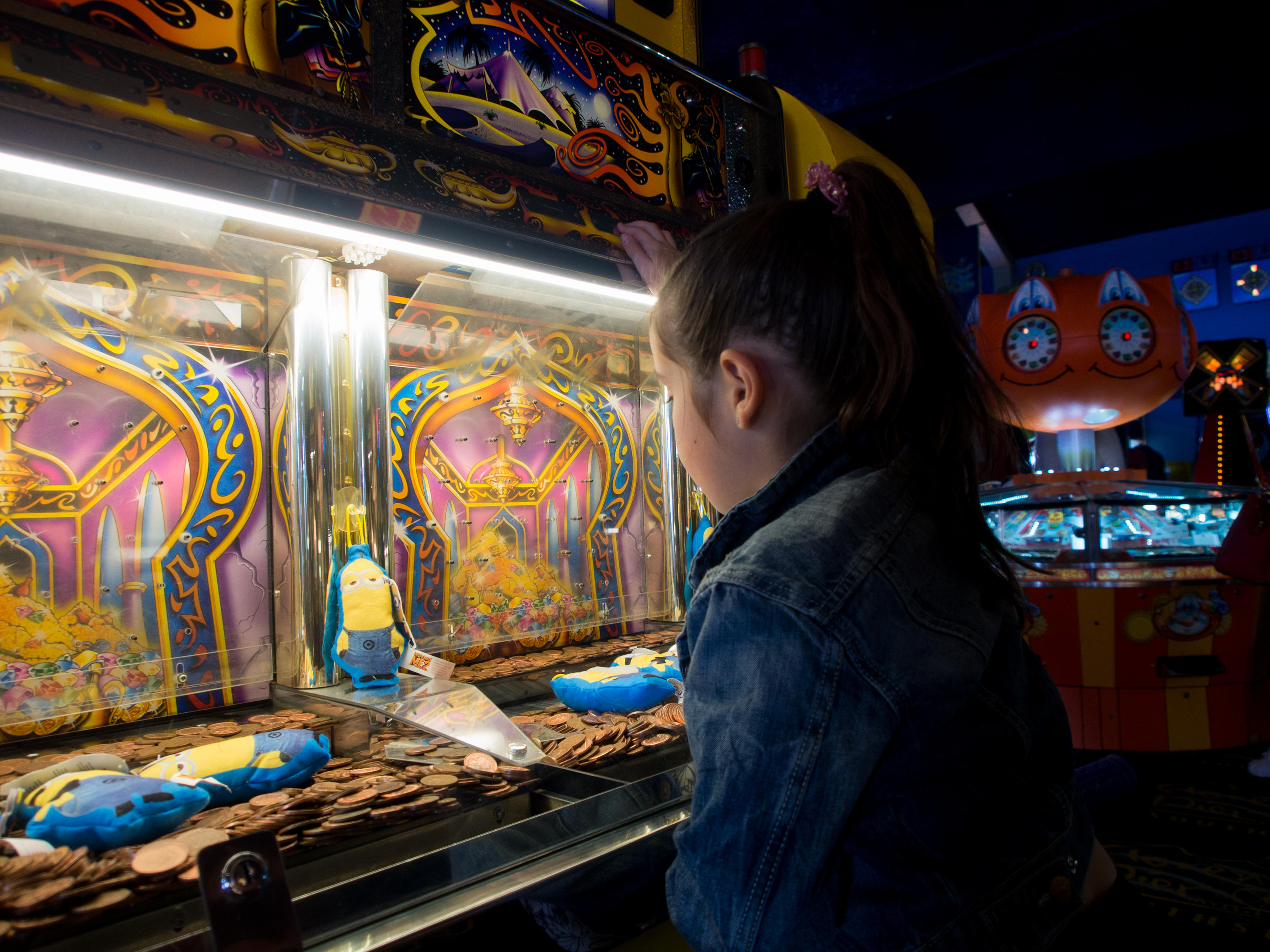
The majority of the sample had engaged in at least some form of gambling when under 18 years old.
The most common forms were slot machines, scratch cards, horse or dog betting, gambling among friends, bingo and lotteries.
“These results demonstrate that childhood experiences of gambling have damaging effects on people’s lives as adults,” said Dr Shane Timmons, senior research officer at the ESRI and report author.
“Together with our best estimate that one in 30 adults in Ireland now struggles with problem gambling, these findings strengthen the case for regulation of gambling. We need to avoid normalising gambling among young people.”
Chief executive of the Gambling Regulatory Authority of Ireland Anne Marie Caulfield said the research “provides clear evidence” of the long-term potential harms from exposing children to gambling.
“It reinforces the importance of a well-regulated gambling sector that protects children and those vulnerable to gambling harm,” she said.
“It also points to the need for awareness and education among our young people, their parents, and guardians on gambling-related harms.
“To coincide with the release of this report, we have published advice for parents on how best to approach the topic of gambling and associated dangers with their children on our website.
“This advice was developed in collaboration with the HSE Addiction Services and provides a useful tool for parents.”