Over 1,800 patients waited an hour or more for ambulance
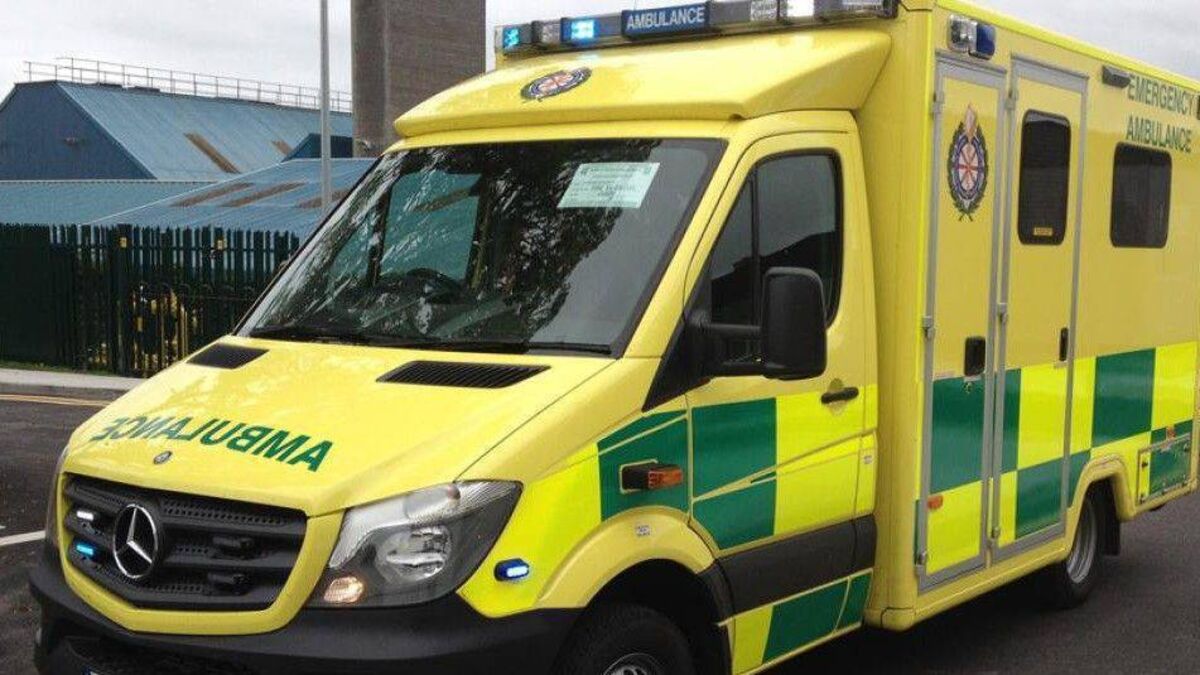
The HSE says it will take several years of sustained consistent investment to reduce the widening gap between rapidly rising demand and the capacity of its ambulance service to respond.
1,859 people had to wait for more than an hour before an ambulance arrived and conveyed them to Mayo University Hospital in 2025.
That’s an increase of 269 people on the year previous, based on figures obtained by the from the HSE under the Freedom of Information Act. In 2024, 1,590 people had to wait over an hour before an ambulance brought them to hospital.
The HSE also said that demand via 999 in 2025 had increased by 25 per cent since 2019 but that 528 additional Whole Time Equivalent (WTE) staff had joined the National Ambulance Service (NAS) over the same period. The NAS Workforce Plan 2022-2028 identified the need for an additional 2,579 by 2028.
The HSE says it will take several years of sustained consistent investment to reduce the widening gap between rapidly rising demand and the capacity available to respond.
“Ambulances are deployed through a nationally coordinated model, meaning the closest available resource is dispatched to the most urgent calls, regardless of location or county boundaries,” a HSE statement outlined.
“The National Emergency Operations Centre, which is internationally accredited, provides real-time oversight to prioritise life-threatening incidents and ensure patients receive the most appropriate care as quickly as possible. As part of this process, callbacks are placed by staff in NEOC to ascertain the current status of the patient and advise callers throughout.
“Every delayed response is taken seriously, and we recognise the very real impact this can have on patients and their families. The HSE sincerely apologises to anyone affected by delays. Where any patient safety concerns arise, these are managed in line with the HSE’s Incident Management Framework.
“At the same time, the NAS is continuing to expand its capacity, improve coordination with hospitals to reduce handover delays, and develop alternative pathways of care. These measures are aimed at ensuring patients receive timely, safe, and appropriate treatment, while also reducing avoidable pressure on emergency departments.”