Mayo treatment centre sees 'alarming' rise in cocaine addiction
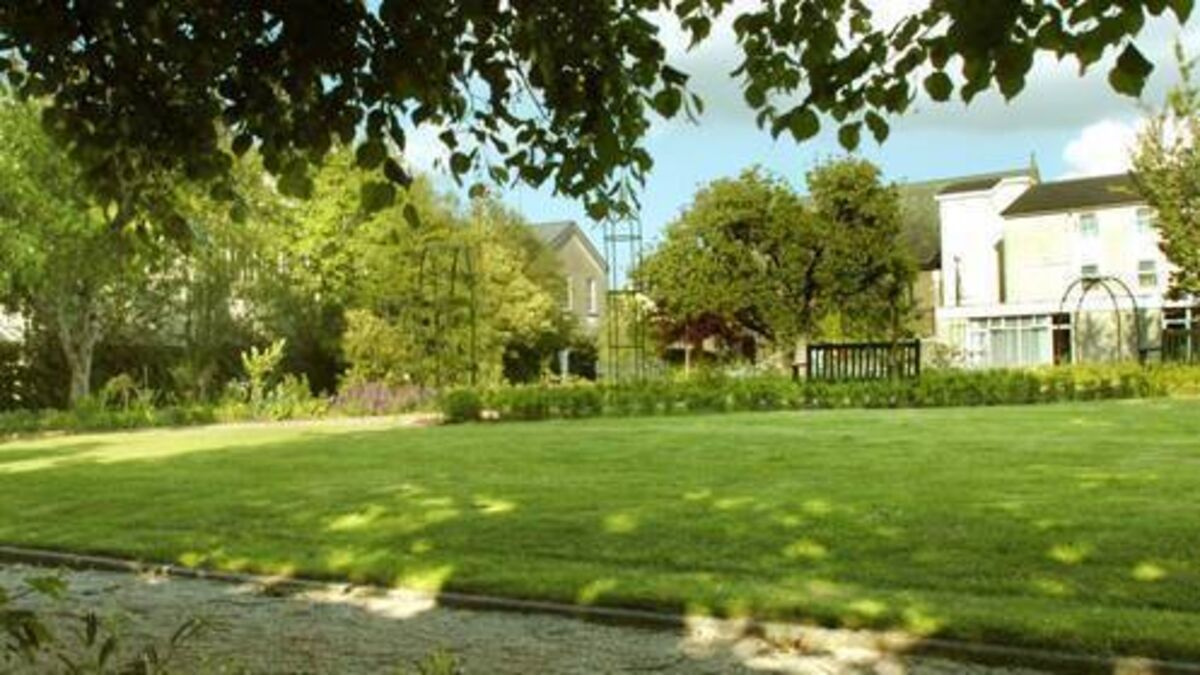
Hope House is a vital service for people battling addiction and has proved to be a lifeline for thousands of people over the years.
Hope House in Foxford has seen a surge in cocaine addiction and in recent years the age profile of the people seeking their services has plummeted.
“When we opened first alcohol was the main thing. Our client base would have been predominantly male. Then we would have seen more females coming in,” Gary Shiels, Chief Executive of Hope House told the .
He said the level of cocaine use and its normalisation is ‘alarming’ and is a problem that is not going away.
“Ten years ago, we noticed a rise in cocaine addiction. It tended to be men but now it’s also female. Now we have the onslaught of synthetic cannabinoids and vapes and all this is happening in a short space of time. But the one thing that remains constant is the devastation that it causes to people and families,” he added.
The Foxford-based centre is witnessing people seeking their help for more than one addiction.
“Alcohol is still the dominant drug of choice and people forget that alcohol is a drug. It’s easy accessibility means it is still the dominant drug. It would be closely followed by cocaine. And what we often see is a combination of alcohol and cocaine. It’s kind of rare now to get somebody solely for alcohol,” said Gary.
He has also noted a younger demographic seeking their support and help.
“What I have really noticed over the years is the age profile. People are presenting for treatment much younger. People are presenting in their early and mid-20s. I think that is because they are starting to drink younger, they are moving on to drugs younger.
"On the one hand it’s positive that people are prepared to come to us at a young age but it is sad that they have to. We aim to make sure they have a healthy, long, addiction-free life ahead of them.
"The average age is 35-45 but we take people from the age of 18 and we have had people in their 80s come to us."
The numbers experience gambling problems has also spiked.
“The level of gambling over the years has really increased. With your phone you are walking around with a casino in your pocket,” Gary commented.
He said advertising has made gambling seem attractive and exciting and Hope House is now seeing more women with gambling issues.
“Fifteen years ago it would have been very unusual to see a woman needing help from us for gambling. That’s no longer the case. I think we are only seeing the tip of the iceberg in relation to gambling,” said Gary.
"Gambling is easier to hide and can go unnoticed for a long time until people get into massive debt or owe money,” he added.
Founded in 1993 by Mayo natives Sister Attracta Canny and Sister Dolores Duggan, Hope House has been a source of help and solace to thousands of people over the years. Up to 130 people enter the centre’s residential centre annually while each week 200 people participate in sessions which form part of a two-year after care programme.
Those numbers fail to take into account the family members who are at the heart of their work.
“Family is key. When a person comes in here we want them to get well, and also for their family to get well. We insist that family are involved the whole way through. Sometimes, a family will say, ‘Why do I have to? I don’t have the problem?' But they do, because of that ripple effect is enormous.
“Every Wednesday we have a family programme here for family members who come for four Wednesdays during the course of a resident's 30-day programme. It’s very important that they are involved so they can see the damage that has been caused to them.
"The number of times we are told by a family member when a person is in here, ‘I can sleep at night without worrying about where they are.’ Here is a safe place.”
Gary believes the amazing staff at Hope House are the reasons behind its longevity and success.
“I’m here nearly 19 years and in that time, we have always been so lucky with our staff, every single member. They are so proud of what Hope House does and are so invested in making sure every resident or person who comes in is treated with respect and kindness. Respect and kindness are the things that will never change here. When people come here, they are broken or at their wits end and they are always greeted with kindness and compassion.
“Every day you come in work and you are proud of what you do. We are saving lives and helping to rebuild families.
“You don’t survive for 33 years unless you have a reputation of providing a quality service. Our greatest marketeers are our former residents and family members. The amount of referrals we get because somebody knew someone who came here and got well.”
While the face of addiction may have altered over the years, the principles of Hope House have remained the same
“The core treatment stays the same. It’s a very intensive programme. There is a lot of talk, therapy, group therapy, and one-to-one sessions. We are not about filling beds, we are about a quality service. We keep our numbers at 12-14 residents at any one time,” said Gary.
“It’s important to point out that 30 days here in our residential programme is not a magic formula or a quick fix. It lays the foundation for the addicted person and then there is the two-year continuing care programme. They will come every single week with a family member and its over that two-year period that they start to get stronger,” he stated.
The chief executive urged anyone who is struggling to get in touch.
"I think people believe asking for help is a sign of weakness. It’s not, it’s a sign of strength and shows you don’t want to give up or give in.
“The process is very simple. If somebody is concerned about themselves or a family member, pick up the phone. We will talk to them. There is no onus to come in for treatment, nobody is forced to avail of treatment. We will treat people with kindness, and respect and we will listen to them.”
Hope House is proud of their countless success stories.
“We have had innumerable success stories. Every year we do an annual celebration of recovery where we ask any former resident who has been though the programme and maintained sobriety for a minimum of 12 months to come back. When you see them again they are different people. It’s just unbelievable and it’s such an emotional day.
"We are not called Hope House for the sake of it. We give people hope and there is always hope. There is a way out and a better life,” said Gary.