Man's death sparks warning over prescription drug side effects
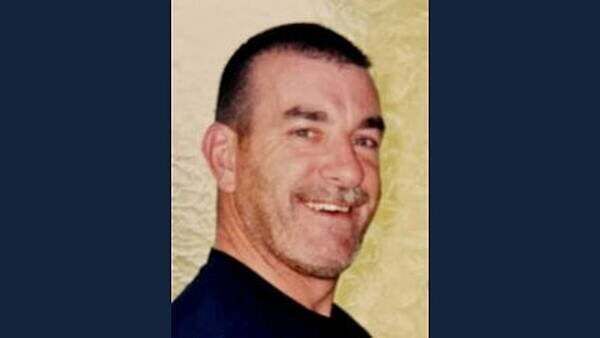
Seán McCárthaigh
Patients have been warned about the need to carefully monitor the use of prescription medicines with dangerous, known side effects following the death of a Waterford man from the toxic effect of a drug he was using to treat a chronic facial condition.
A sitting of Dublin District Coroner’s Court heard that John Walker died on September 21st, 2024 in St Vincent’s Hospital in Dublin from complications which were linked to his use of carbamazepine to treat a facial nerve pain known as trigeminal neuralgia.
The drug is commonly prescribed in Ireland under the brand name Tegretol as a medication to treat epilepsy, trigeminal neuralgia and bipolar disorder.
An inquest into his death heard the 68-year-old former soldier with the Irish Army from Lower Grange in Waterford city had a long history of suffering from trigeminal neuralgia.
A friend of the deceased, Margaret Kennedy, gave evidence of formally identifying his body to gardaí.
Kennedy told the coroner, Clare Keane, that she had last seen Walker about six weeks before his death when he appeared fit and healthy.
However, she also acknowledged that he had ongoing health issues at the time, although he never really spoke about them.
The coroner noted that Walker had been attending the South Infirmary-Victoria University Hospital in Cork for treatment for the condition since 2012.
Medical records showed he was admitted to Cork University Hospital in April 2024 with a severe exacerbation of facial pain, which had caused him huge distress and impacted his mental health.
The inquest heard that doctors commenced him on carbamazepine and increased the dose over the course of a week, during which time he was regularly assessed.
Walker was continued on the medication at home after he was discharged from hospital on May 8th, 2024.
He was reviewed a week later when all his blood tests, including liver function tests, were normal with no sign of any side effects from carbamazepine.
Doctors increased the dosage of the drug, and Mr Walker was reviewed again on a regular basis with his blood tests being recorded as normal.
Medical records noted that he had minimal pain and was in a stable mood when checked on July 2nd, 2024.
Although he was noted to be slightly groggy at times from the medication, he was reported to be “happy overall.”
Dr Keane said his next review was not due until four months later.
However, he was admitted to University Hospital Waterford on September 10th, 2024 when he complained of feeling nausea, vomiting, abdominal pain, confusion and dizziness for several days.
Walker told doctors he had food poisoning a few days earlier and began experiencing poor balance and difficulty coordinating limbs.
Blood tests showed signs of significant liver injury and raised carbamazepine levels.
Although he showed signs of slight improvement at first, Walker became more agitated, restless and sometimes very aggressive over the following days, and a decision was taken to transfer him to St Vincent’s University Hospital in Dublin on September 16th, 2024.
Audrey Dillon, a consultant hepatologist at SVUH, told the inquest that her first impression when she examined the patient the following day was that he was jaundiced and slightly confused.
Dr Dillon said she suspected he was experiencing liver failure, possibly from exposure to carbamazepine over a number of months, and he was uncooperative and unable to follow instructions.
The consultant said Walker met the criteria for an urgent liver transplant.
However, Dr Dillon said she had concerns about the surgery because of the uncertain diagnosis and uncertain social supports for the patient which resulted in a decision being made that he was not a suitable candidate for a transplant and would instead be given “maximum support and treatment.”
The inquest heard he suffered increased liver failure and passed away on September 21st, 2024.
In reply to questions from the coroner, Dr Dillon said carbamazepine would be graded as a drug that is “very likely” to cause liver disease.
The consultant said it was a side effect that had been described in thousands of cases, although she believed the level of toxicity as experienced by Walker was “quite rare.”
She said the patient had suffered “a very, very unfortunate sequence of events.”
Dr Dillon said it was not clear what might make some patients more vulnerable than others to this known side effect of the drug.
She said the toxic effect of carbamazepine generally occurs within the first 6-12 months of starting the medication.
The inquest heard a postmortem showed Mr Walker died from multiple organ failure due to acute liver failure caused by carbamazepine toxicity, while coronary artery disease was a contributory factor.
Dr Keane said there was no evidence of the patient having any pre-existing liver disease.
She also noted that Walker had been checked regularly and his blood tests were normal on every occasion.
The coroner said it was clear that he had suffered an acute event of a recognised complication of carbamazepine which she acknowledged was “not overly common.”
Recording a verdict of death due to an adverse drug reaction, Dr Keane said there was a clinical reason for prescribing the medication to Walker.
She noted that he was checked regularly, while the drug was withdrawn as soon as he came to medical attention.
Dr Keane said the case was a reminder to people on medications which require monitoring to ensure they get necessary checks.
The coroner said she would also notify the Health Products Regulatory Authority of the inquest’s findings.
As part of a pilot project BreakingNews.ie has used AI to suggest headline options for this article. The final headline was chosen and edited by BreakingNews.ie journalists. Find out more