'I left to survive': asylum seekers locked up with criminals ahead of deportation
Ottoline Spearman
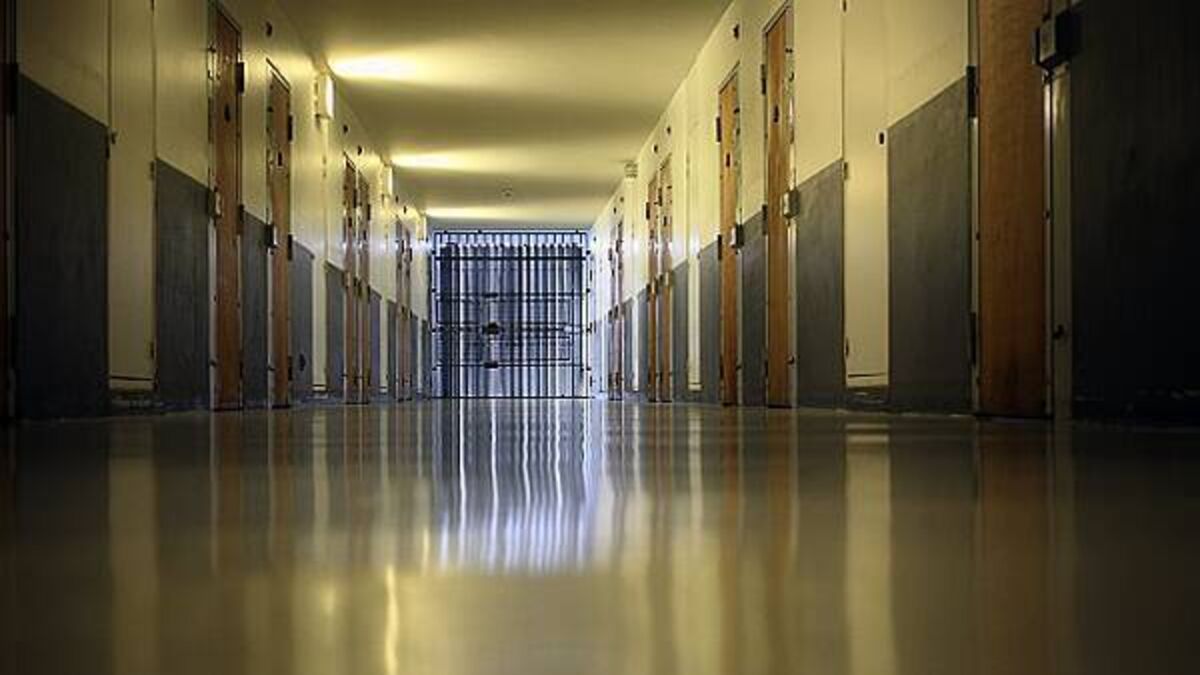
Mass arrests and detention of foreign nationals are placing more pressure on a prison system which is overcrowded and nearly at breaking point.
Prison sources told BreakingNews.ie that it was becoming more common for people in the asylum system who are awaiting deportation to be sent to prison, placing further burden on prisons which are already operating well beyond maximum capacity.
The practice has reared its head again after 14 South African women and over 30 men were sent to Dóchas women's prison and Cloverhill prison after their routine check-in at the Garda National Immigration Bureau on Thursday. This happened ahead of their deportation flight, which is scheduled in the coming days.
Leanke, one of the South African women who has been detained, told BreakingNews.ie her story.
She said that her husband and brother were murdered in South Africa in a "short space of time", in "acts of violence that destroyed everything [she] knew".
"Home no longer meant safety. Grief became something I carry every single day," she said.
"I did not leave to seek opportunity. I left to survive.
"I came here with the... belief that Ireland could offer safety, dignity, and a chance to rebuild a life that was violently torn apart."
We are terrified. Not because we have done anything wrong, but because our lives feel once again out of control - Leanke, 36-year-old South African woman
Leanke, 36, has been detained in Dóchas prison with her 69-year-old mother since Thursday.
"Sitting beside my mother, watching her fear, feeling my own terror, is something I never imagined after already surviving so much loss.
"We are terrified. Not because we have done anything wrong, but because our lives feel once again out of control."
Those in prison have not been told why they have been detained, when they will be leaving or what is going to happen.
And there is no separation between the asylum seekers and criminals who are serving prison-time for serious crimes.
Angelia Russell, a South African activist, told BreakingNews.ie that she has been in touch with those who have been detained. She said that they are "terrified" at being in the same place as "criminals who have committed serious crimes".
"One of the men detained has longer hair and the prisoner keeps stroking his hair and it's making him feel extremely uncomfortable," she said.
Immigration detention is not a criminal sanction. Holding people in penal institutions risks conflating administrative processes with criminal punishment - Human Rights and Equality Commission
She also said that many of her friends had to sleep on the floor for the first two nights in prison due to the lack of beds.
The Human Rights and Equality Commission said that the practice of "administrative detention" of people for immigration purposes is "problematic".
"Immigration detention is not a criminal sanction. Holding people in penal institutions risks conflating administrative processes with criminal punishment and raises concerns regarding proportionality, conditions, and safeguards," a spokesperson said.
"This is particularly in the current context where prison capacity and overcrowding have been highlighted.”
Recently, the head of the Irish Prison Service said in a letter to the Department of Justice that Cloverhill, the country's main remand prison, was operating at 125 per cent capacity and only had room for three more prisoners.
The Irish Penal Reform Trust (IPRT) has described the conditions at Cloverhill as "unprecedented" and "deeply concerning".
According to the Irish Times, on Friday, the Dóchas Centre was at 162 per cent capacity.
"These people are not criminals," Russell said. "They came with their original documents, clean criminal records and have only ever complied with the state.
"They came for safety, not to be persecuted."
The IPRT has questioned the "absolute necessity" of detention in prison ahead of deportation.
"The prison system cannot cope as it is, so detaining people in prison for immigration reasons applies further unnecessary pressure on both prisoners and staff,” a spokesperson said.
"Immigration detention is administrative, not punitive, and should never be treated as a form of punishment.
"Holding people in prison settings alongside sentenced prisoners raises serious human rights concerns and is inconsistent with international guidance, particularly given the significant mental health and wellbeing impacts associated with imprisonment.”
The IPRT said it is calling on the Government to "reverse the growing reliance on prison-based immigration detention", and to use detention only where it is "strictly necessary and proportionate".
The Department of Justice said that "the Irish Prison Service has no control over the numbers committed to custody at any given time".
The spokesperson said that while the Minister for Justice Jim O'Callaghan was "acutely aware" of the overcrowding in prisons, prison numbers had continued to grow due to an increased number of court sittings and detections by the gardaí.
Specifically in relation to the detention of asylum seekers prior to deportation, the department said that this was an "operational" matter for An Garda Síochána.