Geography is another challenge for sliding Sligo
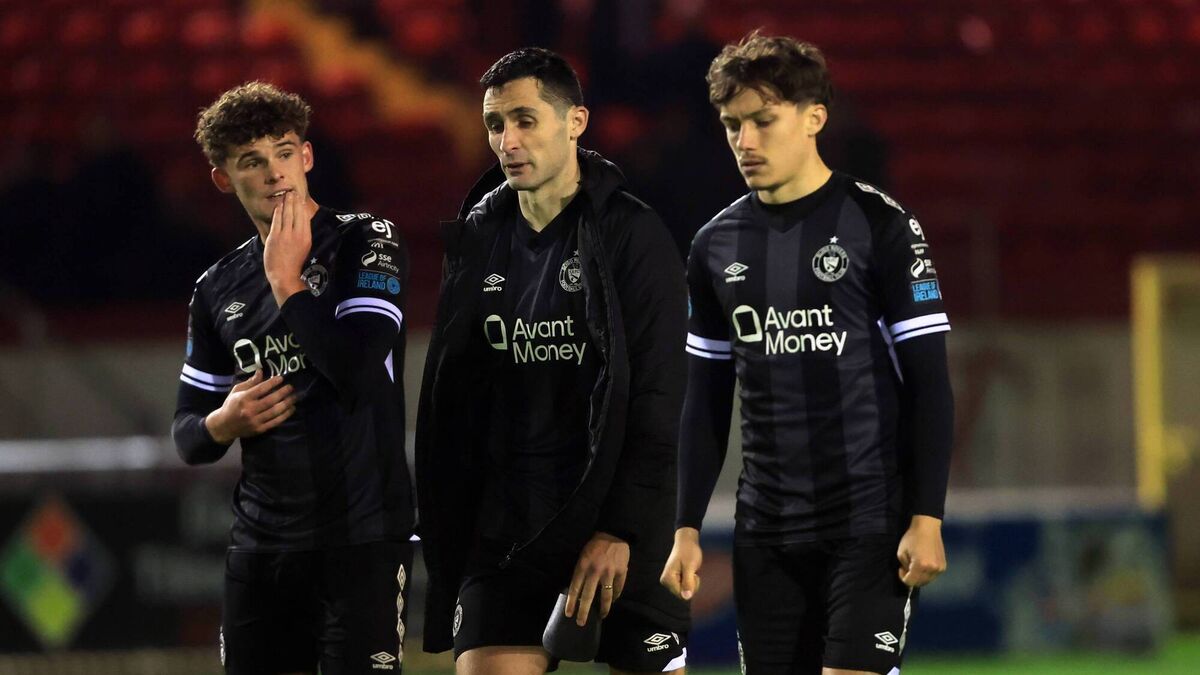
Sligo Rovers' players dejected after the defeat to Shelbourne last Friday which confirmed their relegation from the SSE Airtricity League Premier Division. Picture: INPHO/Bryan Keane
In the end, it happened without a whimper.
Sligo Rovers' 21-year stint as a top flight club came to an end last Friday night under the Tolka Park floodlights, where a 5-1 hammering at the hands of Shelbourne confirmed the Bit O’Red’s relegation to the First Division. The fact that it happened at the hands of Shels, now managed by ex-Rovers boss John Russell, provided some semblance of irony along with a general feeling of dismay.
Only two clubs – Bohemians and St Patrick’s Athletic – have had longer stays in the Premier Division. Since gaining promotion in the mid-noughties, Rovers enjoyed a memorable stint operating within the upper echelons of the game, claiming three FAI Cup crowns in four seasons and, most memorably, clinching a historic league title in that marvellous season of 2012. Silverware also came in the form of the League and Setanta Cups, while there have been many significant European outings to provide the icing on the cake.
Like any fan base, Rovers supporters want their team competing for trophies.
Yet, the reality is that the slide has been underway for the last four or five years. While the summer of 2022 and an excellent European run provided reason for the club and fans to talk optimistically about competing for European places more often than not, the reality paints a far bleaker picture. Safety was an achievement over recent campaigns and, this season, they have come up a distance short of that aim.
Nationally, there’s no major shock when reacting to Rovers relegation in the way there was when the likes of Dundalk or Cork City experienced a similar fate over recent years. Those clubs were winning league titles more recently than Rovers, but many fans in those areas would point to the lack of efficiency in running those clubs off the pitch as a central reason as to why they plummeted so quickly.
There remains a great degree of respect for how Sligo Rovers has been run and the issue is certainly not on that front. Plans to attract outside investment into the club have been put in place this year, and that will benefit matters in the longer term.
But for all the good work that has happened off the pitch for Sligo Rovers over the years, economic realities have come home to roost. Indeed, this season summed up Rovers’ position in the game.
Arguably the two central figures in the footballing operation – John Russell as manager and Will Fitzgerald as captain – left to join Shelbourne and Shamrock Rovers respectively. No one could argue against either man pursuing the opportunities presented to them to move away.
As has been discussed in this column previously, it is becoming harder and harder for a fan-owned club like Sligo Rovers to compete for national honours. Wage inflation means the competition for the top talent has never been greater.
The injection of money into the game in Ireland, particularly post-Covid, has given the Dublin clubs a major advantage, with Shamrock Rovers, and others, also benefitting significantly from European prize money. Cork City, who will take Sligo Rovers' place in the Premier Division next season, are also capable of generating a lot of revenue, if they get the off-the-field stuff in order.
So that's the reality of Sligo Rovers position, but it's important to be able to separate that, too, from the conclusion to this season. For all the upheaval created by Russell's departure, what Rovers have produced performance-wise since the arrival of Darren Purse has not been good enough.
Since the new manager was appointed, Rovers have collected just three points from a possible 27 in the league, winning none of the nine fixtures in that period. The only wins that have arrived under the new management were FAI Cup victories over Janesboro of Galway and Kerry. Rovers’ last league victory came at the end of May.
Purse came into a difficult situation, no doubt, and it would appear judging by some of his post-match comments last Friday night that quite a bit of surgery will be carried out to the playing squad in the off season.
That brings us to the main point that will be emphasised again and again and again over the coming months: Rovers simply must win promotion back to the Premier Division at the first time of asking.
There is absolutely no guarantee that that will happen, either.
Some would argue that the gap between the Premier Division and First Division has widened in recent seasons, but Rovers haven't shown enough quality to suggest that a seamless return is a shoo-in. Plus, the squad is likely to be significantly different for next season for two reasons: players are bound to leave because of relegation and Purse will want to build his own squad and put a stronger stamp on things when it comes to his own vision.
There are also the geographical realities to be mindful of as the years roll by.
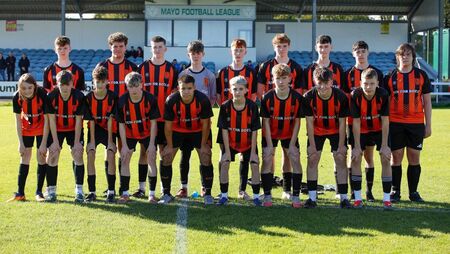
To the north, Finn Harps have ambitious plans to turn into a fully-fledged professional outfit and also have major plans in place to build a new stadium, so they have the potential to become a stronger force. To the west, Mayo FC is now operating as a senior entity in the National League, which could mean that more players from Mayo will play locally in search of a career in soccer, as opposed to travelling to Sligo Rovers.
Both clubs are right to compete for the best talent in the region, so Rovers' drop to the First Division levels the playing field somewhat in that regard.
2028 is the club's centenary year, when all that is good about Sligo Rovers will come to the fore and when the reconstruction of the Showgrounds will be fully up and running. It's pivotal that Sligo Rovers first team is playing top flight football in that season, too.
The work to achieve that must start now.