Call to roll out Tasers across PSNI as attacks on officers spiral
By Rebecca Black, Press Association
A representative group for police in Northern Ireland is urging consideration of a wider rollout of Tasers amid thousands of attacks on officers.
There were 2,630 attacks on police officers between October 2024 and September 2025, and more than 100 reported incidents of police cars being rammed in 2025.
This has continued over the Christmas period, with 14 officers assaulted between the evening of Friday, December 26th and the morning of Saturday, December 27th, and one receiving hospital treatment for a bite injury.
Five police officers were assaulted as they responded to a report of burglary in Dunmurray in the early hours of Wednesday.
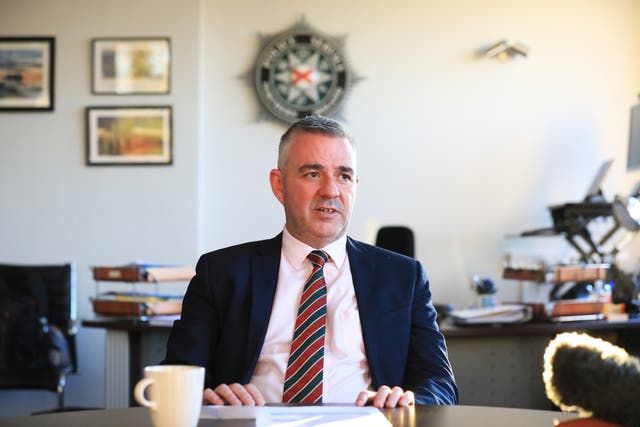
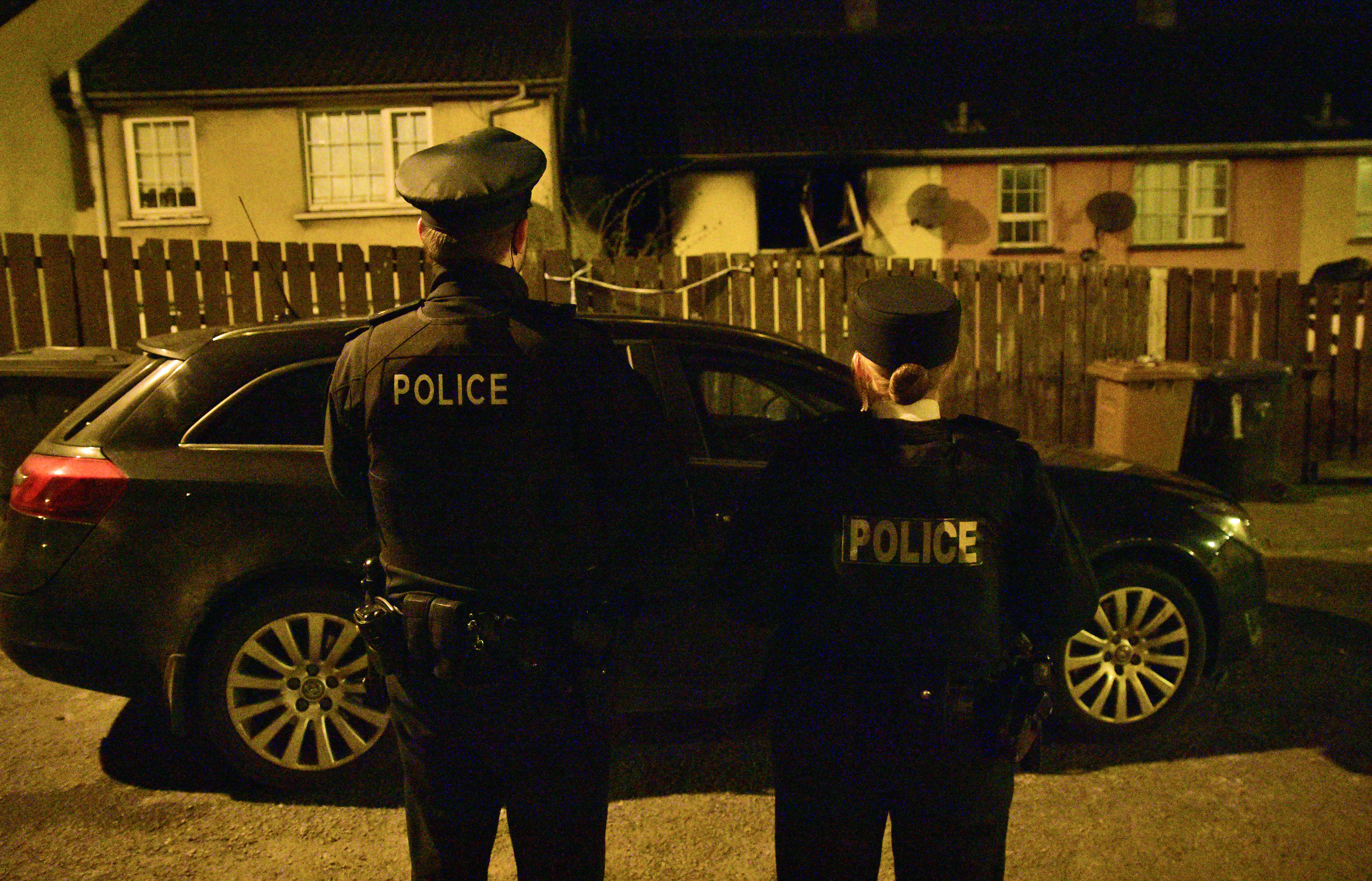
Police Federation for Northern Ireland chairman Liam Kelly said a knife attack on two officers in Derry in November could have resulted in them losing their lives.
He said many are reluctant to use their guns as a potentially fatal force, but Tasers could give a non-lethal option to defend themselves.
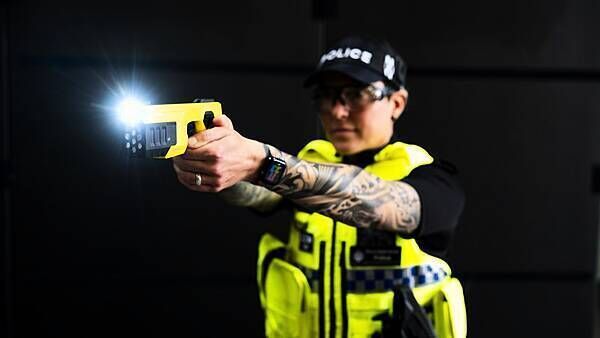
Currently, only specially trained officers in the Police Service for Northern Ireland (PSNI) carry a Taser.
According to police figures, the number of times Tasers have been deployed by officers in Northern Ireland has been falling, from 35 in 2017-18 to 19 in 2024-25.
Mr Kelly, who leads the federation which represents rank-and-file officers, said there is a knock-on effect of assaults on police for the public, when there are fewer officers available to help them.
He said assaults on police must be called out, and officers must have the ability to defend themselves.
They can... bring an incident to an end very, very quickly
“We’ve seen the discussion around a wider rollout of the Taser device, and we’ve seen An Garda Síochána have now piloted issuing 128 in their service because of the rising assaults on their officers,” he said.
“We want to reduce the assaults on our officers, and one of the options is issuing Taser to our frontline, particularly our response and neighbourhood, because the metrics from the assaults show that those officers are the ones that are most vulnerable to people attacking them.”
Mr Kelly acknowledged concerns have been raised, including at the Northern Ireland Policing Board, around the deployment of Tasers.
“But this, for me, is quite an easy equation,” he said. “I think the wellbeing and welfare of our police officers has a higher priority than the wellbeing of somebody who’s attacking them with a sword, or machete or a knife.
“It’s a tactical option. It’s a less lethal option, and again, as we’ve seen in that incident in Derry, we could quite easily have had two officers killed, and that’s despite them having conventional firearms with them.
“There is a reluctance from officers to use what is potentially deadly force. They would always try and use something, their baton or their PAVA spray, and I think the Taser sort of fills that gap between that.”
Mr Kelly said metrics from other police services indicate Tasers are “both safer for the offender, but ultimately safer for the officer”.
He added: “They can put more distance between themselves and bring an incident to an end very, very quickly.”
He said the federation is suggesting a pilot programme using Taser in an area of Northern Ireland with the highest level of assault against police officers, and examining the data to see if it reduces those numbers, and also the number of injuries to members of the public.
“Unfortunately when you have to use force on someone, whether that be using a baton or PAVA, it can have medical consequences for the people concerned, even just hands-on stuff can have medical consequences,” he said.
“As can Tasers. I’m not saying it won’t cause injury or long-term injury, but I think the data from our colleagues in England, Wales and Scotland will show that, and the medical complications for people are a lot less than what people would seem to suggest on social media.
“I would rather that we look after our welfare and wellbeing of our officers when they’re put into these particularly violent scenarios, keeping the public safe, but also keeping themselves safe.”